
Blog Search Results


32 results for unity
found
within the Blog
6 displayed out of 32 (0.02seconds)Page 3 of 6
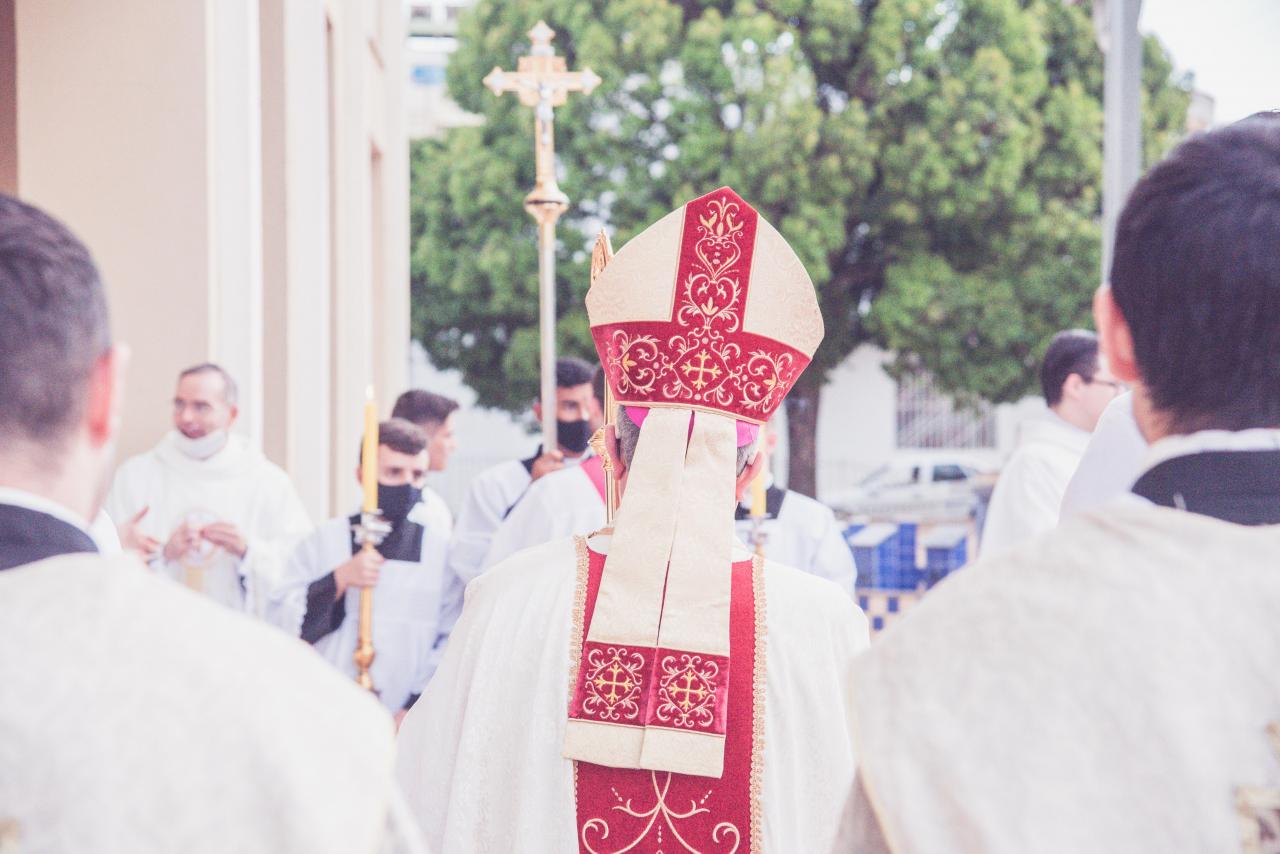
What does the word "Catholic" mean?
Posted by Luke J. Wilson on 8th March 2021 in Etymology | catholic,church fathers,church history,etymology,roman catholic,eastern orthodox,Great Schism,Muratorian Fragment
...f the community). This forced the historic Church to respond and find an answer to the question “What and where is the one Church?”. Optatus, the legitimate bishop of Carthage, refuted Donatus, interestingly, by using as his defence the fact that their churches were all in communion with the See of Rome. The Donatists were confined to a small area of North Africa and not in communion with Rome, which meant a breakaway from the chair of Peter and therefore unable to claim the name “catholic” as they were anything but. After this, Augustine came on the scene and was a relentless critic of the Donatists, building upon Optatus’ refutations, explaining that...
The Early Concept of the Trinity: Tracing the Roots
Posted by Luke J. Wilson on 16th November 2023 in Trinity | trinity,early church,early church fathers,tri-unity,triune God,godhead
...sises the unity in God, Christ, and the Spirit, stating, “Have we not one God and one Christ and one Spirit of grace poured out upon us?”. Clement provides an important link back to the Apostles, too, as Origen of Alexandria (AD 185—284) and Eusebius of Caesarea (AD 260—340) maintained that Clement of Rome was the same Clement mentioned by the apostle Paul in Philippians 4:3. Irenaeus of Lyons (AD 130—200) also tells us that “this man [Clement], as he had seen the blessed apostles, and had been conversant with them, might be said to have the preaching of the apostles still echoing [in his ears], and their traditions before his eyes” (Against Heresi...
What is Monarchical Trinitarianism?
Posted by Luke J. Wilson on 21st July 2024 in Trinity | trinity,monarchy of the Father,Monarchical Trinitarianism,church fathers,church history
...Monarchical Trinitarianism, also referred to as the “Monarchy of the Father,” is a theological perspective that asserts the Father as the sole source (or monarch) within the Trinity. This view maintains a clear distinction of roles among the Father, the Son, and the Holy Spirit while upholding their unity in essence. It is essential to distinguish this from Monarchianism, a heretical belief condemned in the 4th century, which posited that God is a single person rather than three distinct persons.
The Eternal Begottenness of the Son
The term “created” used by the early pre-Nicene Fathers does not align with the Arian view, which posits that the Son was...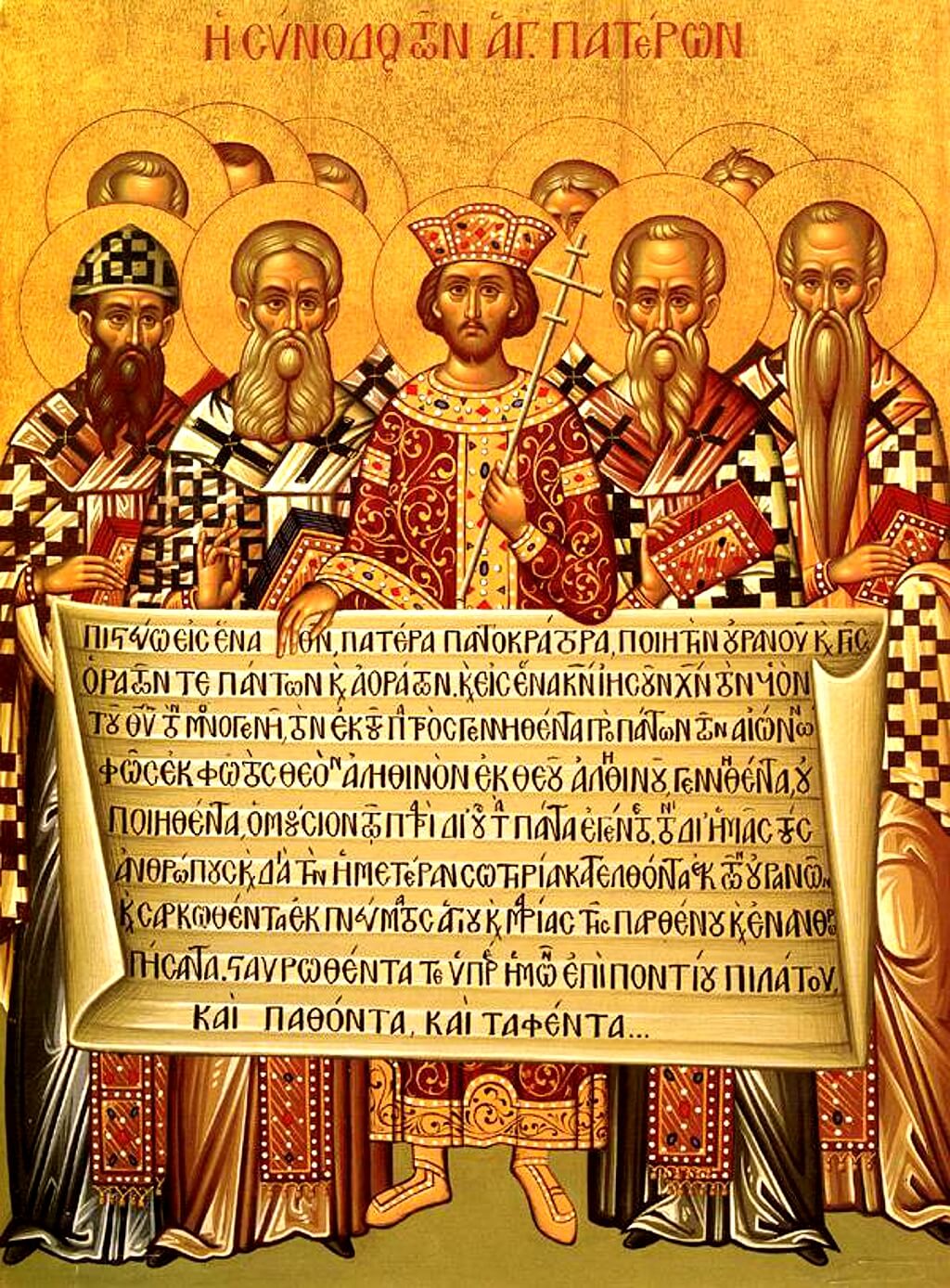
Creedal Christians: The Nicene Creed
Posted by Luke J. Wilson on 2nd June 2019 in Early Church | nicene creed,nicea council,creeds,creedal christians,creedal
...Seeking unity, the Council was convened by Constantine I in response to the Arian controversy which had gripped the Greek-speaking East. The teaching of Arius of Alexandria were considered heretical by most bishops of the time, fearing that it would cost people their salvation. 1800 bishops were invited by Constantine (that was every bishop across the Roman Empire), but only around 250-320 turned up from across the Empire, except Britain, according to the various surviving documents from different attendees.
This Council was an extremely historic event as nothing quite like it had happened before since the Council of Jerusalem around 50 AD (Acts 15), which co...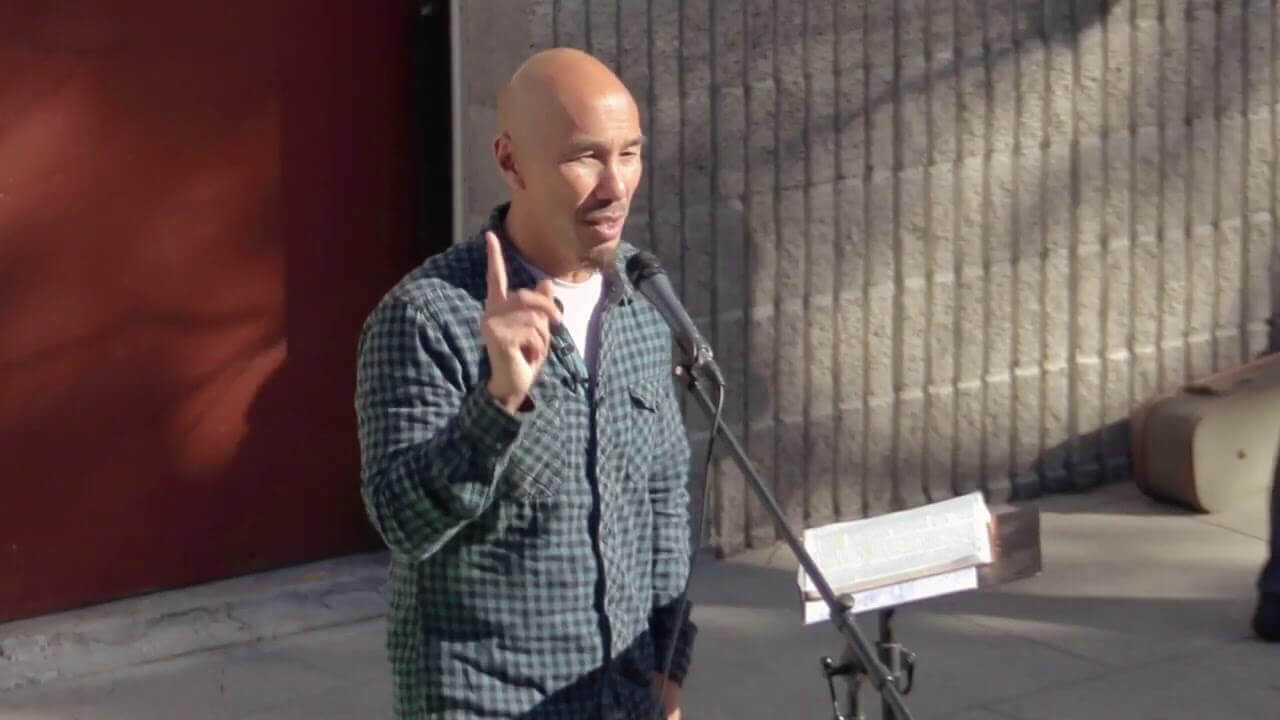
Francis Chan turns towards a more historical and ancient view of Communion
Posted by Luke J. Wilson on 14th January 2020 in General Interest | eucharist,communion,francis chan,church fathers,church history,controversy
...lks about unity in the early church and how he longs to see that type of unity again in the Church globally, explaining that making communion more central to worship would help with that. Chan then laments about the apparent disunity within Protestantism, citing the dramatic statistics of there being “30,000 denominations” in the Protestant world.
It’s a common claim, often from Roman Catholic apologists, but it’s not exactly accurate; there’s really only about six general umbrellas if you boil it all down: Lutheran, Anglican, Reformed, Baptist, Methodist and Pentecostal/Charismatic. Most “non-denominational” churches are still largely Baptist in...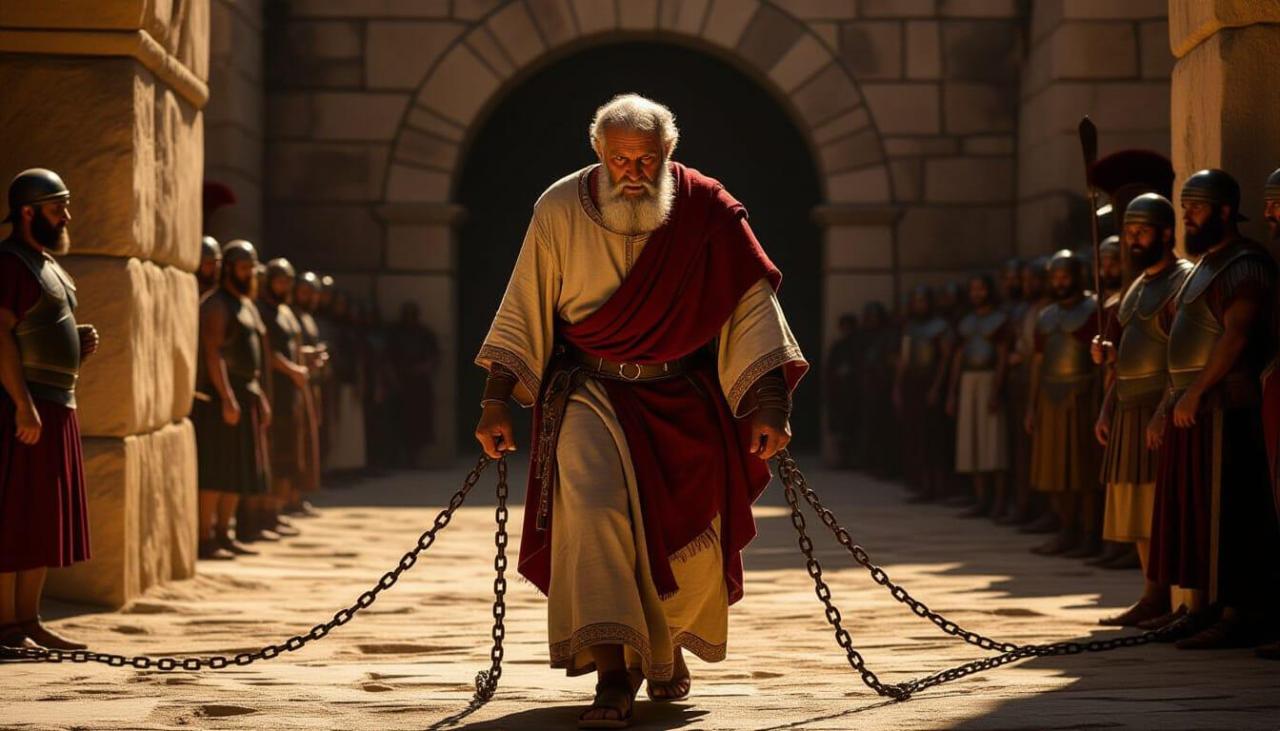
Before The Pumpkins: The Road To The Lions
Posted by Luke J. Wilson on 20th October 2025 in Halloween | ignatius,Ignatius of antioch,martyrdom,martyr,religion,halloween
...The sound of chains echoed through the streets as Ignatius of Antioch was led from Syria to Rome. The old bishop’s body was frail, but his heart burned with the strength of Christ. Each clinking step brought him closer to the arena — and to the wild beasts that would tear him apart — yet his letters brimmed with joy and passion, and a sense of urgency inspiring others to unity, obedience, and unwavering faith. For Ignatius, death was not defeat; it was the completion of discipleship, crossing the finish line of faith… the moment when imitation of Christ became complete.
Ignatius of Antioch is one of my favourite Early Church Fathers mainly for h...
Powered by WebBoss.io 3.7.1
Copyright © 2026 The Sacred Faith: Timeless Truths for Modern Minds. All Rights Reserved.
