
Blog Search Results


Did you mean:
google home
?
83 results for Google Home
found
within the Blog
6 displayed out of 83 (0.75seconds)Page 4 of 14

Has Brexit just spoiled “End Times” prophecy?
Posted by Luke J. Wilson on 25th June 2016 in Eschatology | end times,Brexit,EU referendum,european union,antichrist,NWO,second coming
Has "Brexit" just spoiled “End Times” prophecy?
In a word, no.
Unless of course you are of a Dispensationalist view, then this sudden exit from the European Union by Britain will have caused you some theological holes you may feel the need to patch up.
There’s already been some satire articles posted in light of this, highlighting the errors of Dispensationalism and its main adherents tendency to interpret Biblical prophecy by the current news headlines. One such article, by The Babylon Bee, poked fun at the current events by writing that “premillenial dispensationalists around the world held emergency meetings Friday morning, frantically adj...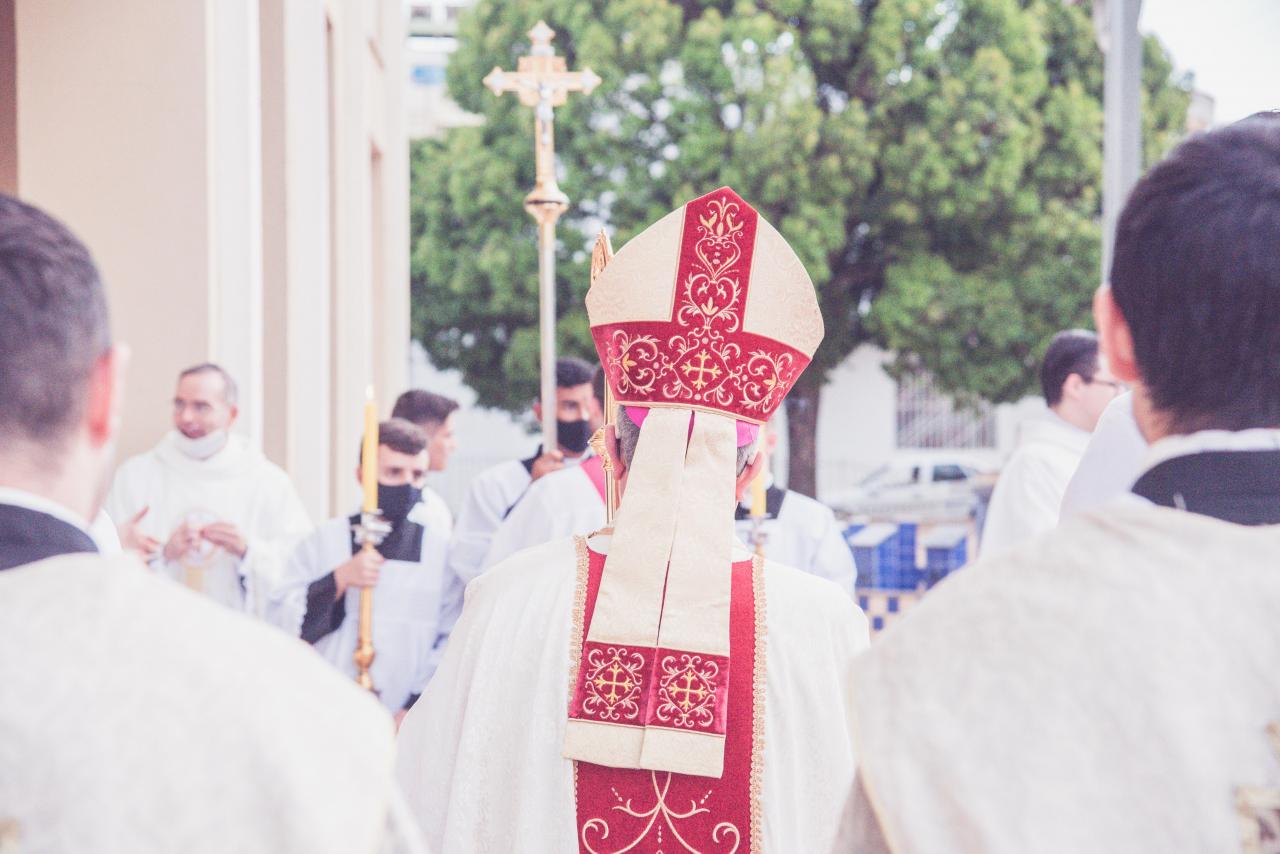
What does the word "Catholic" mean?
Posted by Luke J. Wilson on 8th March 2021 in Etymology | catholic,church fathers,church history,etymology,roman catholic,eastern orthodox,Great Schism,Muratorian Fragment
For many people today, non-Christians and (low church) Christians alike, when they hear the word “Catholic”, certain images spring to mind: the Pope, the rosery, Catholic school, big old churches buildings, choirboys, maybe monks or statues of Mary even; and sadly more recently, sex abuse scandals.
But, generally speaking, all of these are actually aspects of Roman Catholicism — a particular branch of Christianity, and not what the word “catholic” truly means as we’ll see when examining how the early church used the word and what the original Greek word means.
καθολικός (katholikos)
The Greek word where we get the English word “c...
The Real St. Nicholas: A Man of Virtue, Not Violence
Posted by Luke J. Wilson on 7th December 2024 in Christmas | arianism,nicea council,nicene council,st nicholas,history,church fathers,church history
When we think of St. Nicholas, two contrasting images often emerge: the cheerful, gift-giving Santa Claus and the fiery bishop who supposedly punched Arius at the Council of Nicaea. The latter story, popularised through memes and tales of “righteous anger,” portrays Nicholas as a defender of truth through violence. But how much of this tale is rooted in fact?
St Nicholas of Myra slapping Arius at the Council of Nicaea.Fresco from the Soumela Monastery (Turkey)
The truth is both simpler and more profound: St. Nicholas embodied the teachings of Christ, not through impulsive acts of aggression, but through a life of love, generosity, and devotion.
Sepa...
From Dust to Redemption: The Meaning of Ash Wednesday
Posted by Luke J. Wilson on 5th March 2025 in Lent |
Ash Wednesday marks the beginning of Lent, a season of repentance, fasting, and preparation for Easter in the Christian calendar. It is observed by many Western Christian traditions, including the Roman Catholic Church, Anglican Communion, Lutheran churches, and some Methodist and Reformed communities. The day falls 46 days before Easter Sunday and is always on a Wednesday.
Origins and Historical Development
The practice of Ash Wednesday can be traced back to the early centuries of Christianity, though its formal observance developed over time. The use of ashes as a sign of repentance has deep biblical roots, appearing frequently in the Old Testament. People w...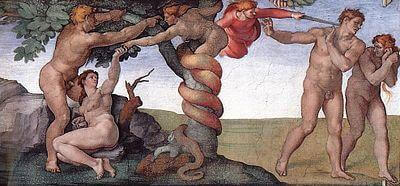
Was there death before the Fall?
Posted by Luke J. Wilson on 15th April 2014 in Death | Sheol,the Fall,Creation,Genesis,Adam and Eve,death,resurrection
It is often said and believed by many that our souls are immortal - that God gave us a spirit/soul that cannot die when he created us, and that death was not even a concept or reality before Adam and Eve sinned in the Garden of Eden. Despite this idea being a fairly "recent" concept (in terms of history and theology), and it stemming from Greek philosophy, it's also not supported by the Biblical text - especially in Genesis.
Lets look at the creation account in Gen 2:7—
then the Lord God formed man from the dust of the ground, and breathed into his nostrils the breath of life; and the man became a living being.
The word "being" in that verse, or "sou...
The Temptations of Jesus: Testing God
Posted by Luke J. Wilson on 4th March 2018 in Lent | temptation,testing God,pinnacle,Temple,Jesus,Satan,wilderness,Lent,desert,Armour of God
Here we are at the final temptation that the devil directly attacks Jesus with (I say directly, because next week I’m going to look at the more subtle attacks and temptations we can face).
Let’s begin with the text:
Matthew 4:5-7
Then the devil took him to the holy city and placed him on the pinnacle of the temple, saying to him, “If you are the Son of God, throw yourself down; for it is written,
‘He will command his angels concerning you,’
and ‘On their hands they will bear you up,
so that you will not dash your foot against a stone.’”
Jesus said to him, “Again it is written, ‘Do not put the Lord your God to the test.’” (...
Powered by WebBoss.io 3.7.1
Copyright © 2026 The Sacred Faith: Timeless Truths for Modern Minds. All Rights Reserved.
