
Blog Search Results


62 results for greek philosophy
found
within the Blog
6 displayed out of 62 (0.57seconds)Page 4 of 11
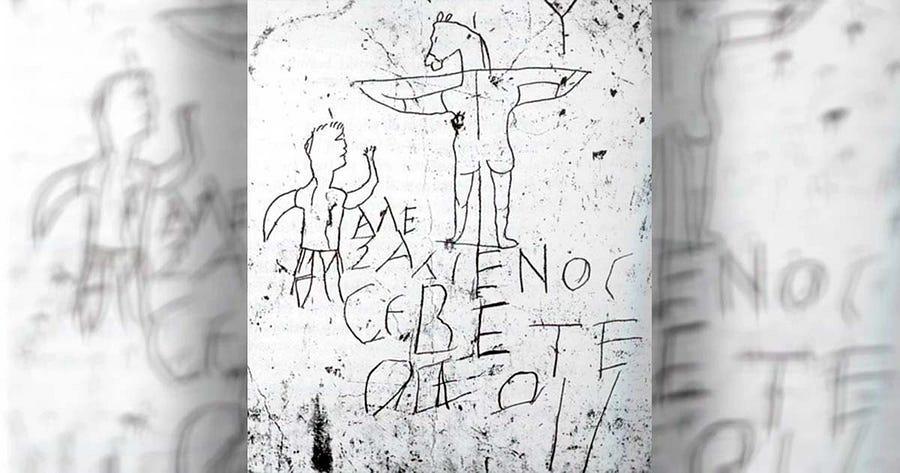
The World's Oldest Anti-Christian Meme
Posted by Luke J. Wilson on 9th March 2026 in Archaeology | Alexamenos graffito,archaeology,history
I first came across the Alexamenos graffito back in Bible college in the early 2000s. It was one of those “fun facts” that gets dropped into a church history lecture and sticks with you — the ancient Roman equivalent of someone spray-painting an insult on a wall. I filed it away, thought it was fascinating, and largely forgot about it for two decades.
Then, recently, I discovered something about it I had never known. There’s a response to it. Scratched in a different room, in a different hand.
So I started digging into this more to verify the information and discovered more historical curiosities surrounding the graffiti than I ever knew existed wh...
Keeping Christ in Xmas
Posted by Luke J. Wilson on 15th November 2023 in Christmas | xmas,christmas,history
The abbreviation “Xmas” often sparks discussions about its origins and whether it diminishes the significance of Christmas. Contrary to misconceptions, the use of 'X' in "Xmas" has deep historical roots dating back to ancient greek, where it represents the first letter of “Christ” (Χριστός). Additionally, the Chi Rho symbol, formed by superimposing the greek letters Chi (Χ) and Rho (Ρ), is a notable Christian symbol representing Christ.
The Origins of "Xmas"
The letter ‘X’ in “Xmas” finds its roots in the greek letter ‘Chi’ (Χ), which abbreviates the word “Christ” in greek. This practice of using ‘X’ as an abbreviation for...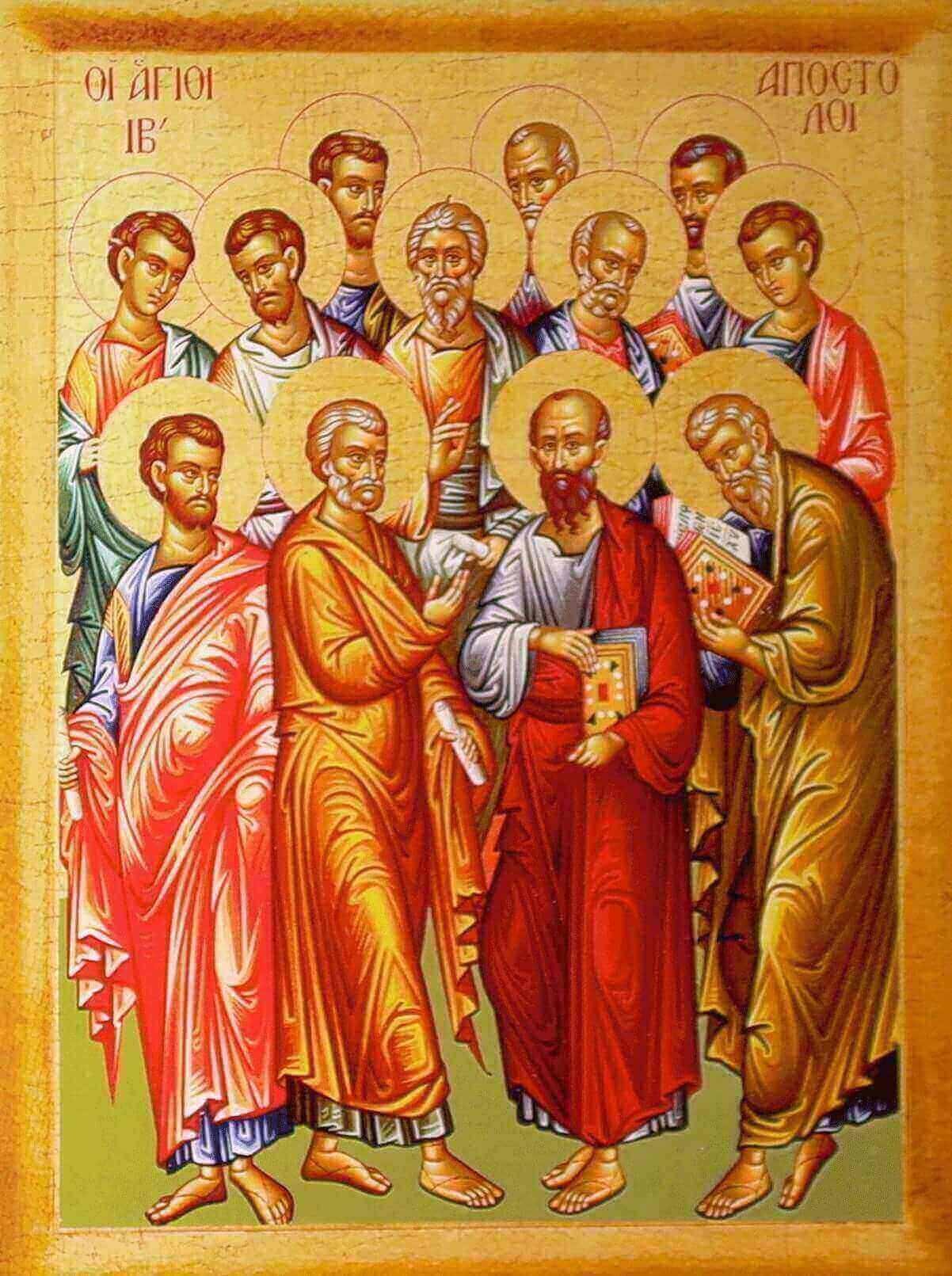
How many apostles are there in the New Testament?
Posted by Luke J. Wilson on 22nd May 2018 in Gifts of the Spirit | apostles,five fold ministry,gifts of the Spirit,greek
Often in any discussion on the gifts of the Spirit and whether they are still active today (Cessationism vs Continuationism), the topic of Apostles comes up and whether the gift/office is still active today in the Church. Detractors of the Continuationist position will often quip that ‘if there were modern-day apostles, they would be world famous!’ – though I’m not sure why. Even the original Twelve weren’t “world famous” in the sense that they mean. But I digress. This isn't a question of practice, or opinion, but to examine the Scriptures to see what they say about the gift.
Scripture gives us an indication that this gift, or role, wasn’t jus...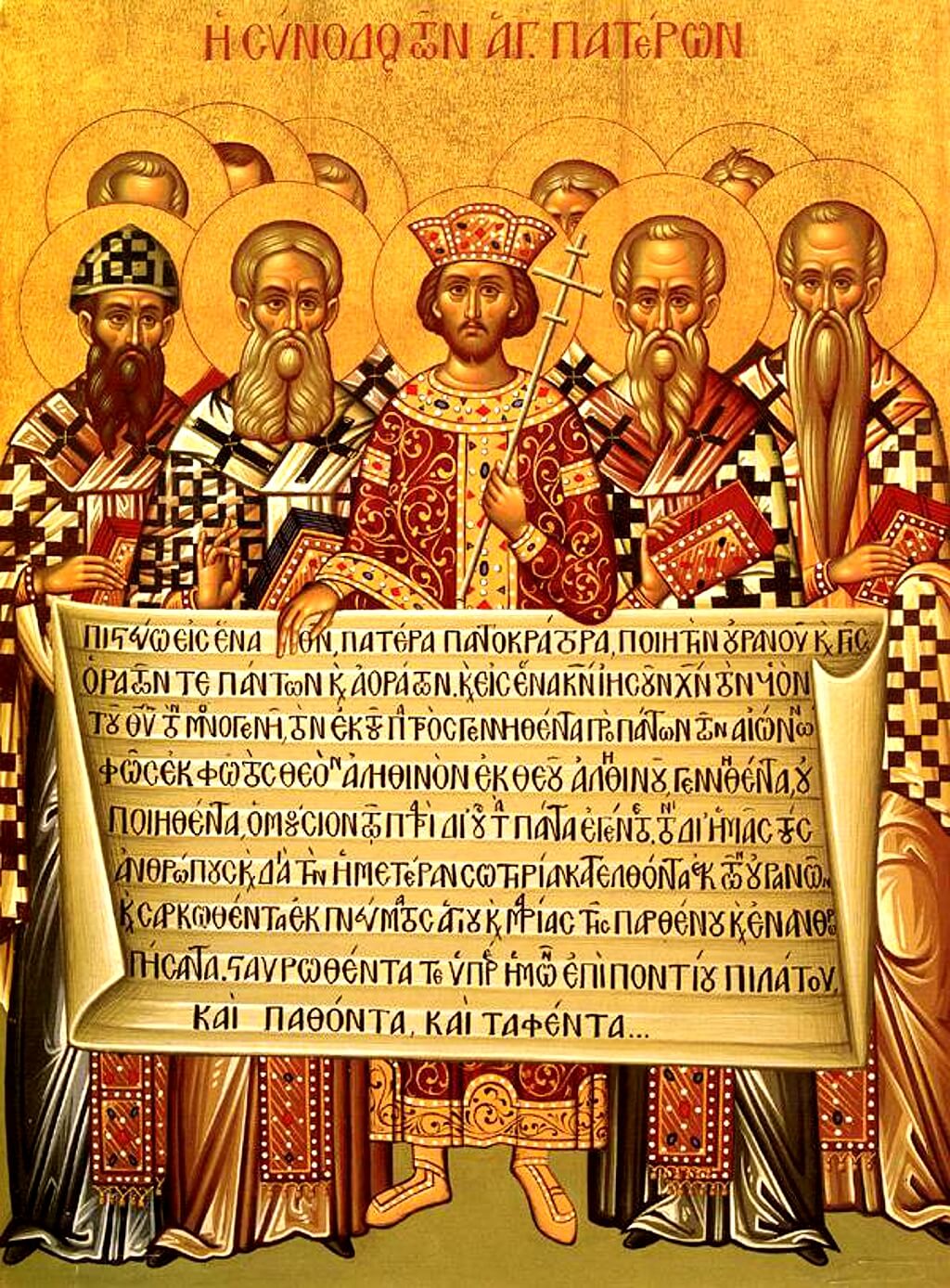
Creedal Christians: The Nicene Creed
Posted by Luke J. Wilson on 2nd June 2019 in Early Church | nicene creed,nicea council,creeds,creedal christians,creedal
The Nicene Creed — what is it and why is it called that?
This creed gets its name from a time and place: the first ecumenical Church council held at Nicaea, which is now known as İznik in northwestern Turkey, in 325 AD.
Now that may raise another question for you: what is an ecumenical council? Well, to explain more about the Nicene Creed, we are going to have to take a look at The First Council of Nicaea in order to better understand why this creed was written.
First things first though; an “ecumenical council” is ideally a Church-wide meeting where all the Bishops from all across the Church come together to hold a very large and very important meetin...
Power Cuts and the Fear of God
Posted by Luke J. Wilson on 11th November 2019 in Devotional | fear of God,power cuts,devotional
The other week we had a series of power cuts in our town. It doesn’t happen very often here where I am, but there was particularly bad weather recently which damaged some cables; but sitting in the dark winter evening, my phone low on battery power, it made me realise just how much we rely on electricity for nearly everything these days. We don’t even have a gas supply so we were completely cut off from doing anything!
Now it might sound obvious, but it’s easy to forget how dependent we are on modern conveniences until it’s suddenly taken away and you’re sat in the cold surrounded by tiny little tea-light candles. The following Sunday, the sermon at c...
Jesus, Mithras and Ancient Roman Cults: Separating Fact from Fiction
Posted by Luke J. Wilson on 25th April 2023 in Mythology | Jesus,mithras,apologetics,roman gods,atheist
Welcome to the next instalment of my series looking at the ancient mythological gods and how they compare to the life, death and resurrection of Jesus. Mithras is yet another popular ancient god that people like to compare with Jesus and make wild claims about, proposing that they are the same deities with different names. But is this even remotely true?
This article has ended up being a bit longer than anticipated as it’s one of the few ancient religions that was contemporary to the birth of Christianity which was seen as somewhat of a rival belief system, so there’s a lot of interesting things to cover!
The Origins
Mithras has his roots in ancient Persi...
Powered by WebBoss.io 3.7.1
Copyright © 2026 The Sacred Faith: Timeless Truths for Modern Minds. All Rights Reserved.
