
Blog Search Results


Did you mean:
holiday
?
171 results for holy day
found
within the Blog
6 displayed out of 171 (0.48seconds)Page 4 of 29
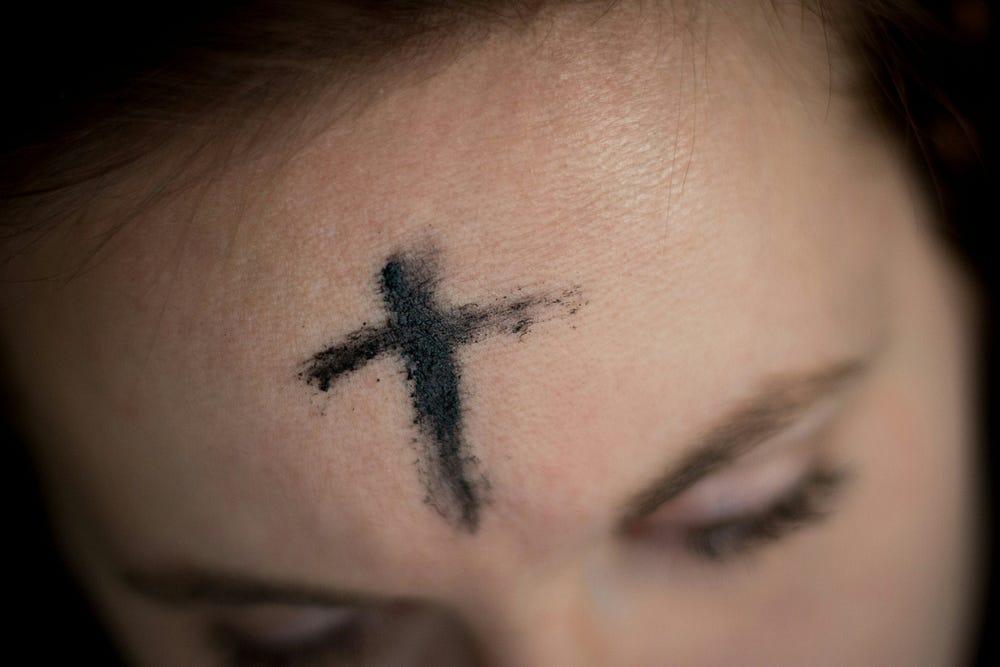
From Dust to Redemption: The Meaning of Ash Wednesday
Posted by Luke J. Wilson on 5th March 2025 in Lent |
Ash Wednesday marks the beginning of Lent, a season of repentance, fasting, and preparation for Easter in the Christian calendar. It is observed by many Western Christian traditions, including the Roman Catholic Church, Anglican Communion, Lutheran churches, and some Methodist and Reformed communities. The day falls 46 days before Easter Sunday and is always on a Wednesday.
Origins and Historical Development
The practice of Ash Wednesday can be traced back to the early centuries of Christianity, though its formal observance developed over time. The use of ashes as a sign of repentance has deep biblical roots, appearing frequently in the Old Testament. People w...
The Early Concept of the Trinity: Tracing the Roots
Posted by Luke J. Wilson on 16th November 2023 in Trinity | trinity,early church,early church fathers,tri-unity,triune God,godhead
The doctrine of the Trinity, which asserts the co-equality of the Father, Son, and holy Spirit, has deep roots in the early Christian writings of the first three centuries. While the full articulation of the Trinity developed over time, culminating at the Council of Nicaea in the fourth century, references to the equality of these three persons can be traced back to influential documents and the teachings of early Church Fathers in the centuries leading up to this pivotal moment in Church History.
Early Church Beliefs and Teachings
One of the earliest Christian documents, the Didache, believed to have been written in the late first or early second century, pro...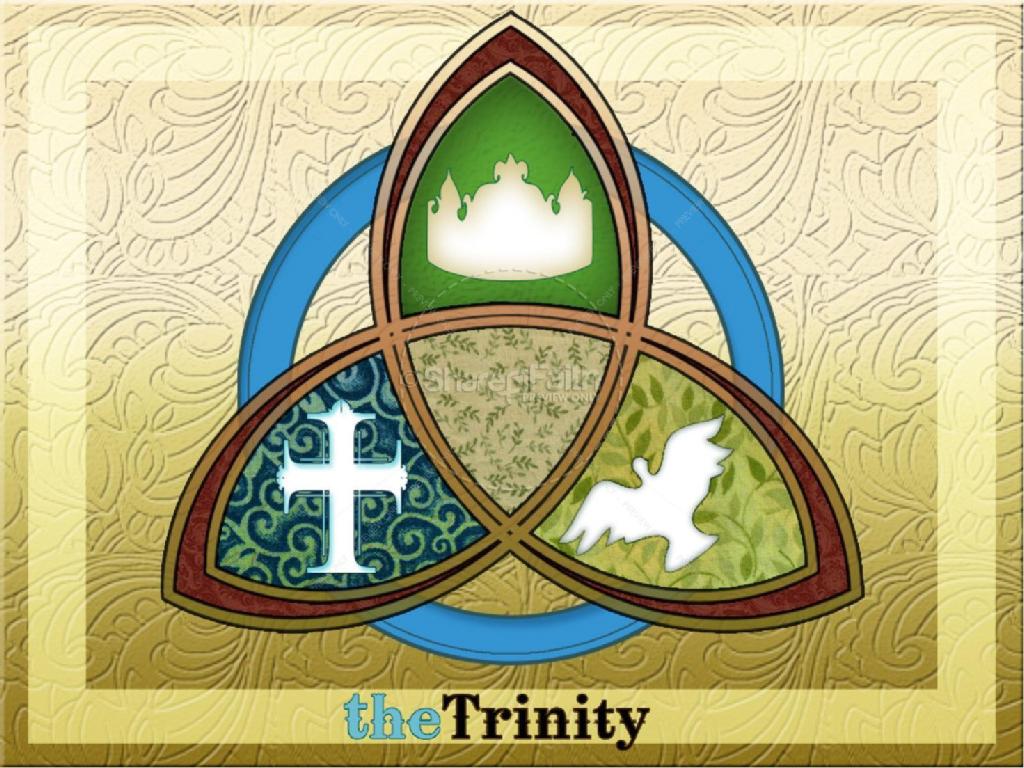
The Battle for the Trinity: Historical Heresies and Church Defences
Posted by Luke J. Wilson on 1st July 2024 in Trinity | trinity,heresy,heretics,theology,creeds
The Trinity is a cornerstone of Christian faith, defining God as one Being in three Persons: Father, Son, and holy Spirit. However, throughout history, various misunderstandings and false teachings — known as heresies — have arisen, challenging this core doctrine. Understanding these heresies can strengthen our faith and deepen our appreciation for the truths held by the Church since its earliest days.
What Is the Trinity?
Before diving into the heresies, let’s briefly review what we mean by the Trinity. The Christian doctrine of the Trinity teaches that God is one essence in three distinct Persons:
The Father: The Creator and sustainer of al...
Lent day 34: Cyril of Jerusalem: Catechetical Lectures: Lecture XXIII
Posted by Luke J. Wilson on 8th April 2017 in Lent | Lent,great lent,fasting,early church fathers,devotional,daily reading,Doctor of the Church,lectures,liturgy,catechism,Bishop of Jerusalem,Eucharist,Lord's Prayer
day Thirty-four: St. Cyril of Jerusalem: Catechetical Lectures: Lecture XXIII
Who: Bishop of Jerusalem and Doctor of the Church, born about 315; died probably 18 March, 386. Little is known of his life, except from his younger contemporaries, Epiphanius, Jerome, and Rufinus, as well as from the fifth-century historians, Socrates, Sozomen and Theodoret.
What: Each of the lectures deal with a different topic to teach converts the mysteries of the Church, particularly: rites of the renunciation of Satan and his works, of anointing with oil, of baptism, of anointing with the holy chrism, and of partaking of the body and blood of Christ.
Why: Cyril delivered to ne...
The Reality of Sin
Posted by Luke J. Wilson on 19th November 2018 in Sin | sin,zombies,mold,mildew,judgement
Sin is like a mold on us, like a rotting, black skin disease. If only we could see it on us, we'd be disgusted and repulsed! Zombies are popular on TV etc. right now, think of the grossness of those images and realise that when we sin and keep sinning, that's what we end up looking like before God!
We are living stones, together building up the temple of the holy Spirit (1 Peter 2:5; 1 Cor 6:19). Think about that for a moment. Think of the splendor of Solomon's temple when it was built (re-read it again if you can’t remember: 1 Kings 6:14-36). We are that and SO much more! But now imagine it with mold and mildew and all that horrible black damp growing and sp...
Creedal Christians: The Apostle's Creed
Posted by Luke J. Wilson on 11th October 2018 in Early Church | creedal christians,creeds,creedal,apostles,apostolic creed,apostolic tradition,rule of faith,early church fathers,early church
The Apostle's creed — what is it and why is it called that?
Outside of the New Testament, this is one of the oldest creeds we have, dating back to the sixth – eighth century in its current form that is commonly known today, but having its origins much earlier — as far back as the second century in a shorter form known simply as the “Old Roman Creed”.
The Apostles creed is also sometimes referred to as the “Rule of Faith” as it is a summary of the Gospel and is the basis for pretty much all modern theology. The points of the creed cover all the major pillars of the Christian faith which aims to safeguard what is true orthodoxy (right belief), whic...
Powered by WebBoss.io 3.7.1
Copyright © 2026 The Sacred Faith: Timeless Truths for Modern Minds. All Rights Reserved.
