
Blog Search Results


104 results for old syriac
found
within the Blog
6 displayed out of 104 (0.27seconds)Page 4 of 18

Lent Day 30: Cyril of Jerusalem: Catechetical Lectures: Lecture XIX
Posted by Luke J. Wilson on 4th April 2017 in Lent | Lent,great lent,fasting,early church fathers,devotional,daily reading,Doctor of the Church,lectures,liturgy,catechism,Bishop of Jerusalem
Day Thirty: St. Cyril of Jerusalem: Catechetical Lectures: Lecture XIX
Who: Bishop of Jerusalem and Doctor of the Church, born about 315; died probably 18 March, 386. Little is known of his life, except from his younger contemporaries, Epiphanius, Jerome, and Rufinus, as well as from the fifth-century historians, Socrates, Sozomen and Theodoret.
What: Each of the lectures deal with a different topic to teach converts the mysteries of the Church, particularly: rites of the renunciation of Satan and his works, of anointing with oil, of baptism, of anointing with the holy chrism, and of partaking of the body and blood of Christ.
Why: Cyril delivered to new conve...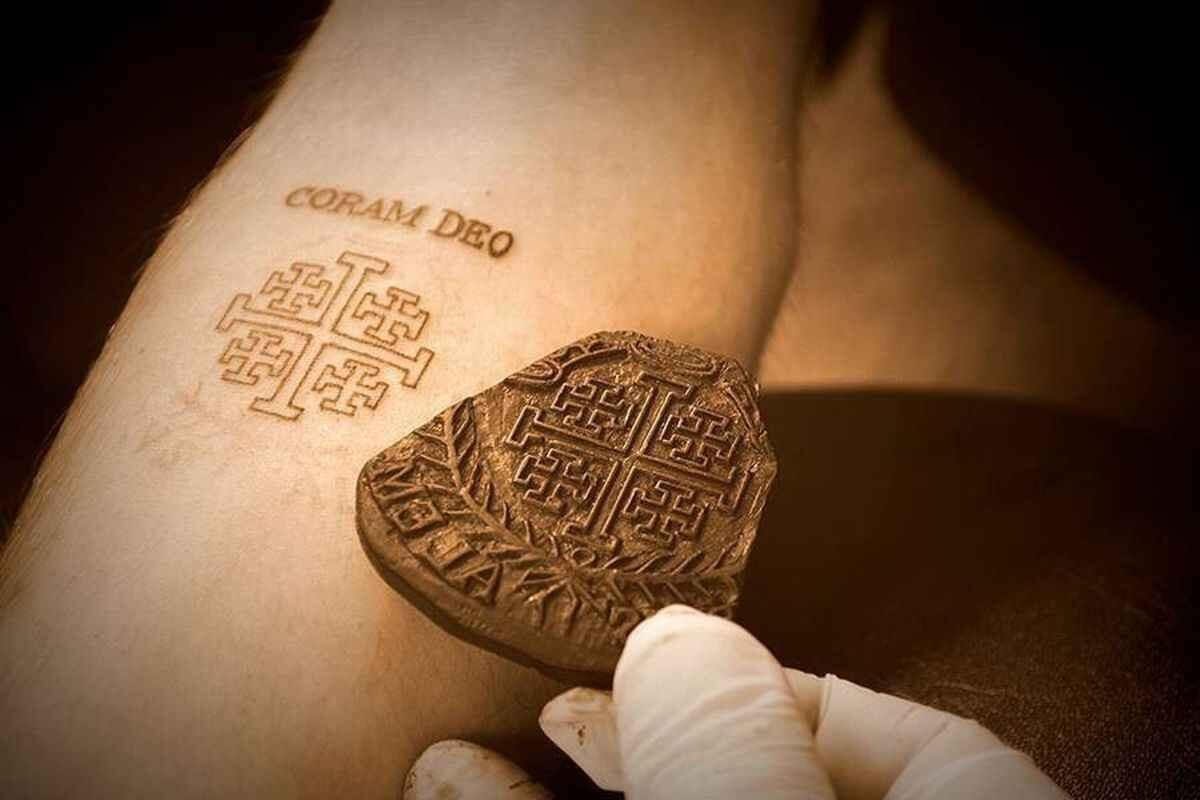
Should Christians get tattoos, and is it Biblical?
Posted by Luke J. Wilson on 31st August 2019 in Tattoos | tattoos,church history,Basil the Great,Leviticus,old Testament
I was in a discussion not so long ago about tattoos, and I was asked about the historical view on this practice. It wasn’t something I had looked into before from a Church Fathers point of view, so it was an interesting topic of study. In my searching, I found this article from a Catholic site which seems to give a pretty interesting overview of some of the views about tattoos in the earlier centuries. The following is a quote about a Church Council in the context of native Britons, who still practiced tattooing at that time for pagan ritual, something which Tertullian also gives a fleeting reference to around 213 AD in his On the Veiling of Virgins, ch. 10....
The Coming of Jesus: Our Future Hope - What Now?
Posted by Luke J. Wilson on 22nd January 2016 in Second Coming Series | second coming,70 weeks,70ad,what now?,what next,preterism,fulfilled prophecy,eighth day
So here we are at the final part of this Coming of Jesus series. If you’re new here, you can start from the beginning by clicking here, or carry on reading as I will give a brief overview of what’s been covered so far.
This series has covered many topics and themes of eschatology, starting with Daniel’s prophecy of the Messiah’s first coming to this world, all the way through to the prophecies of another coming. It’s been a very interesting and eye-opening journey of discovery, at least for myself, if no one else. I didn’t start this study with a particular doctrine or conclusion in mind, but rather went in with the minds...
The Resurrection as a historical event
Posted by Luke J. Wilson on 29th April 2017 in Easter | resurrection,easter,apologetics,history,historical
Table of Contents
Jesus was raised bodily – and historically
The resurrection is what makes Christianity unique!
Evidence from Paul
The mystery of the resurrection
The nature of the resurrection
The resurrection is more than physical
What with Easter still ringing in our ears, I thought it would be a good time to revisit the topic of resurrection, but from a historical standpoint and why we can trust it as a real, world-changing event. So, what really is the resurrection? How will we be resurrected, and what does it mean for us that Jesus rose again? Let’s explore what this means for us as Christians, and see what the Scriptures say.
Jesus wa...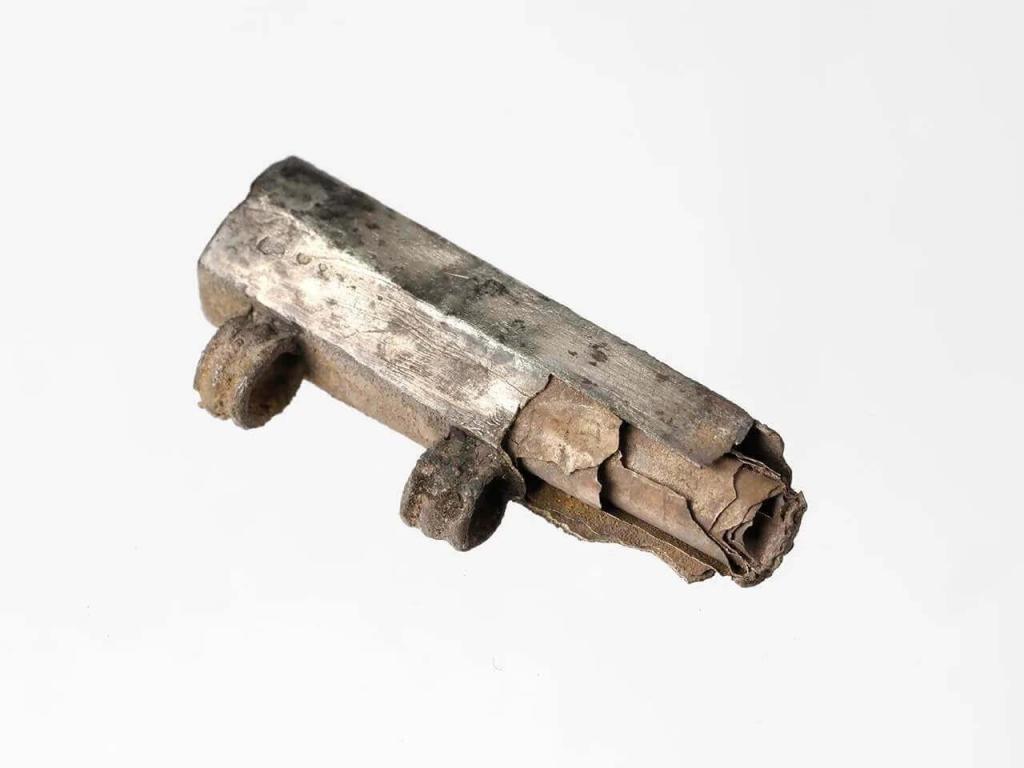
Ancient Amulet Rewrites History Of Christianity In Europe
Posted by Luke J. Wilson on 18th December 2024 in Archaeology | archaeology,amulet,discovery,current events,protection amulet
New discovery proclaims Jesus as “Son of God” a century earlier than previously thought.
An exciting archaeological discovery has recently come to light: researchers have unearthed an 1800-year-old silver amulet in Frankfurt, Germany. This amulet provides the earliest known evidence of Christianity north of the Alps and disrupts previously held ideas about the spread of the faith, namely that Christianity didn’t get to the German region around the fourth century.
The amulet, dating from approximately 230 to 270 AD, was found in 2018 beneath the chin of a man’s skeleton during excavations at a Roman burial site near the former town of Nida, now part o...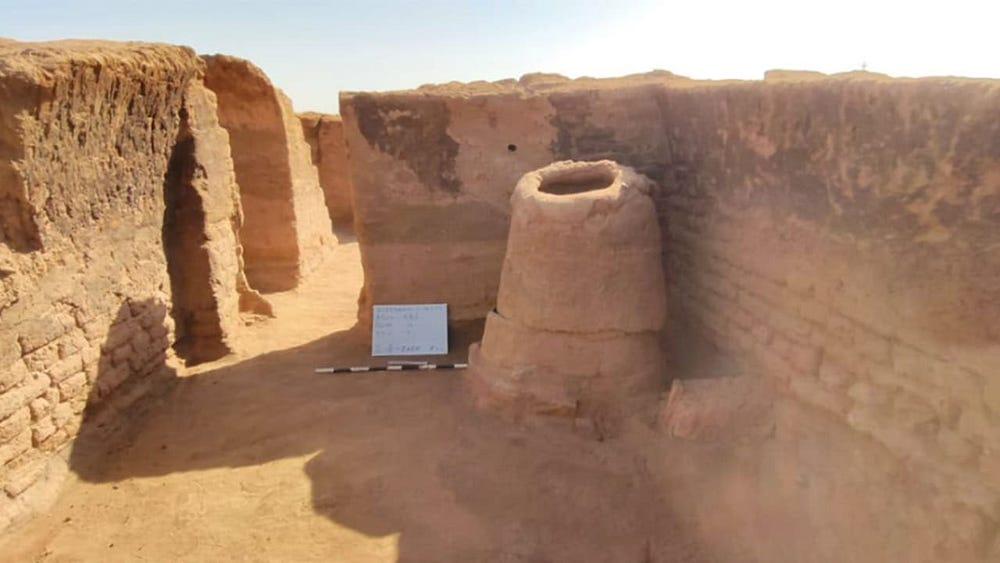
A City In The Sand: What A Fourth-Century Discovery In Egypt’s Western Desert Tells Us About The Early Church
Posted by Luke J. Wilson on 27th July 2026 in Archaeology | archaeology,early church,history
In early July 2026, Egypt’s Ministry of Tourism and Antiquities announced something pretty amazing: an entire Byzantine-era city, buried beneath the sands of the Dakhla Oasis, had been uncovered almost intact! Streets, homes, bread ovens, a fortress, and at its heart, a fourth-century basilica church.
That might not seem very exciting on first glance. But this find deserves a closer look, because it puts flesh on something we usually only encounter in the abstract: what it actually looked like when Christianity took root, house by house, in an ordinary town far from the centres of imperial power.
What Was Found
The excavation, carried out by an Egy...
Powered by WebBoss.io 3.7.1
Copyright © 2026 The Sacred Faith: Timeless Truths for Modern Minds. All Rights Reserved.
