
Blog Search Results


78 results for roman gods
found
within the Blog
6 displayed out of 78 (0.26seconds)Page 4 of 13
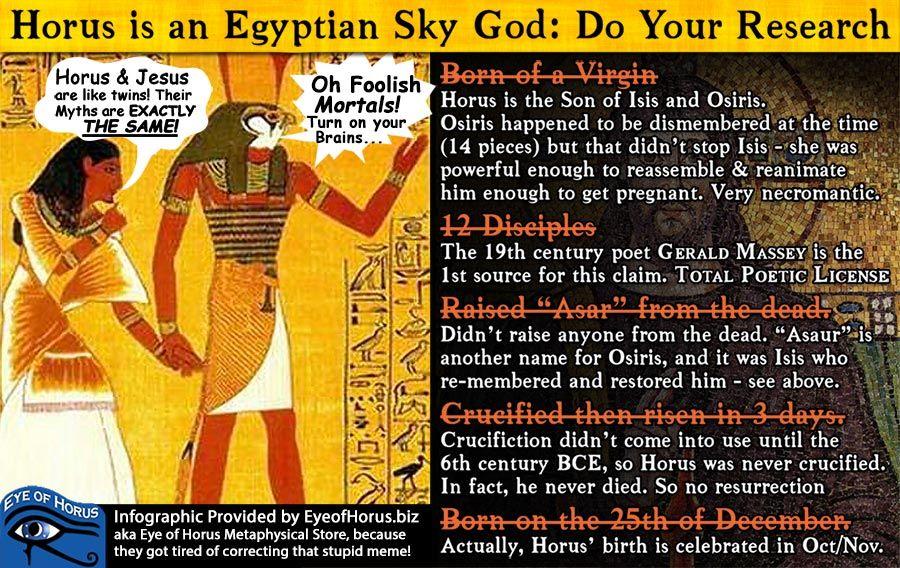
Horus, Jesus, and Egyptian Mythology: Separating Fact from Fiction
Posted by Luke J. Wilson on 22nd April 2023 in Mythology | Jesus,Horus,egyptian gods,mythology,Egyptian myths,apologetics
If you've ever found yourself immersed in the world of ancient Egyptian mythology or perhaps watching a documentary on the subject (or even just browsing social media around Christmas time), you might have come across the claim that the story of Jesus shares striking similarities with the story of Horus, an ancient Egyptian deity.
While it might seem convincing at first that there's a direct connection between the two, it's essential to understand that the similarities are often exaggerated in popular culture, and many scholars consider them vastly different. In this article, we'll explore the life of Horus, his birth, the miracles he performed, and the truth b...
Before the Pumpkins: The Barbecued Deacon
Posted by Luke J. Wilson on 31st October 2025 in Halloween | halloween,martyrdom,martyr,Lawrence
In our last post, we walked with Perpetua and Felicity through the sands of the amphitheatre, their faith outshining Rome’s cruelty. Now for the final part in this series, we turn to another of the Church’s earliest heroes — one whose courage was matched by an unexpected wit. His name was Lawrence, a deacon of Rome, remembered across centuries as the man who kept his humour even while lying on the griddle.
The Setting: Rome, AD 258
Under Emperor Valerian, a fresh persecution of Christians swept through the Empire. Bishops, priests, and deacons were hunted down, their property seized, and their churches closed. The bishop of Rome at that time was Six...
Creedal Christians: The Apostle's Creed
Posted by Luke J. Wilson on 11th October 2018 in Early Church | creedal christians,creeds,creedal,apostles,apostolic creed,apostolic tradition,rule of faith,early church fathers,early church
The Apostle's creed — what is it and why is it called that?
Outside of the New Testament, this is one of the oldest creeds we have, dating back to the sixth – eighth century in its current form that is commonly known today, but having its origins much earlier — as far back as the second century in a shorter form known simply as the “Old roman Creed”.
The Apostles creed is also sometimes referred to as the “Rule of Faith” as it is a summary of the Gospel and is the basis for pretty much all modern theology. The points of the creed cover all the major pillars of the Christian faith which aims to safeguard what is true orthodoxy (right belief), whic...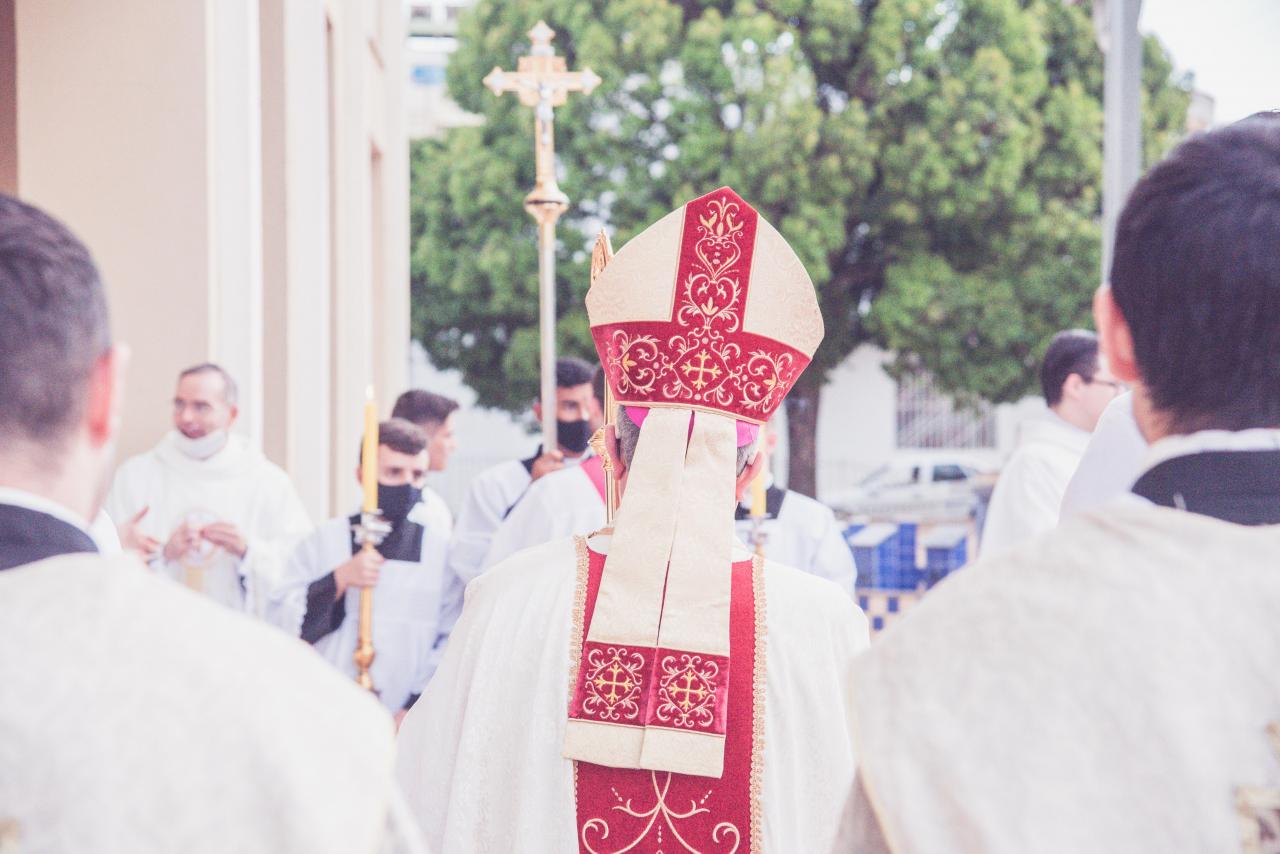
What does the word "Catholic" mean?
Posted by Luke J. Wilson on 8th March 2021 in Etymology | catholic,church fathers,church history,etymology,roman catholic,eastern orthodox,Great Schism,Muratorian Fragment
For many people today, non-Christians and (low church) Christians alike, when they hear the word “Catholic”, certain images spring to mind: the Pope, the rosery, Catholic school, big old churches buildings, choirboys, maybe monks or statues of Mary even; and sadly more recently, sex abuse scandals.
But, generally speaking, all of these are actually aspects of roman Catholicism — a particular branch of Christianity, and not what the word “catholic” truly means as we’ll see when examining how the early church used the word and what the original Greek word means.
καθολικός (katholikos)
The Greek word where we get the English word “c...
Lent Day 18: Cyprian: On the Unity of the Church: 1-9
Posted by Luke J. Wilson on 21st March 2017 in Lent | Lent,great lent,fasting,early church fathers,devotional,daily reading,Cyprian,Bishop of Carthage,unity
Day Eighteen: St. Cyprian: On the Unity of the Church: 1-9
Who: Third century bishop of Carthage (in modern Tunisia), and martyr from Africa
What: A letter to encourage the unity of the church against schisms and heresy during massive roman persecution
Why: A disturbance had happened in the church because of a priest called Novatian — a schismatic of the third century, and founder of the sect of the Novatians. Cyprian wrote to counter this and argues that there can only be one united Church, and the Novatian breakaway was a false church and that Novatian was an antipope.When: Around 249 AD
You can find today’s reading on page 92 here: lentfatherscomplete...
What are the Seraphim, and was the devil one of them?
Posted by Luke J. Wilson on 23rd April 2020 in Angels | devil,satan,angels,seraphim,heaven
Have you ever wondered about what the devil is — or was, pre-Fall? You’ve probably been told that he used to be an angel with God, so then why is he often described as a snake, serpent or dragon?
Though there isn’t a great deal given away in Scripture as to the nature of angels, or the heavenly realms in general, we get some glimpses from the visions of the prophets. But what we can also look at is the words which the Bible uses; some of which aren’t translated and so lose their original meaning in English.
The Seraphim
The word “seraphim” is a transliteration of a Hebrew word, rather than a translation, so in English we often will miss the me...
Powered by WebBoss.io 3.7.1
Copyright © 2026 The Sacred Faith: Timeless Truths for Modern Minds. All Rights Reserved.
