
Blog Search Results


158 results for some
found
within the Blog
6 displayed out of 158 (0.06seconds)Page 4 of 27
Lent: Day 15 - Justin Martyr: First Apology, Chaps. 36-47
Posted by Luke J. Wilson on 17th March 2017 in Lent | Lent,great lent,fasting,early church fathers,devotional,daily reading,Justin Martyr,apologetics
...ine, with somewhat compact arguments for the reality of what is believed and accepted. I’m going to try and summarise as much as I can and pull out any points which stand out, though not necessarily cover everything written in each chapter.
You can find today’s reading on page 70 here: lentfatherscomplete.pdf
Following on from yesterday's theme of prophecy which predicts Christ, Justin explains the different types, or “modes”, of prophetic messages. From utterances which foretell the future, to speaking on behalf of the Father, he goes on to say how the Jews missed the prophecies that pointed to Jesus – even those which showed that he would be cruci...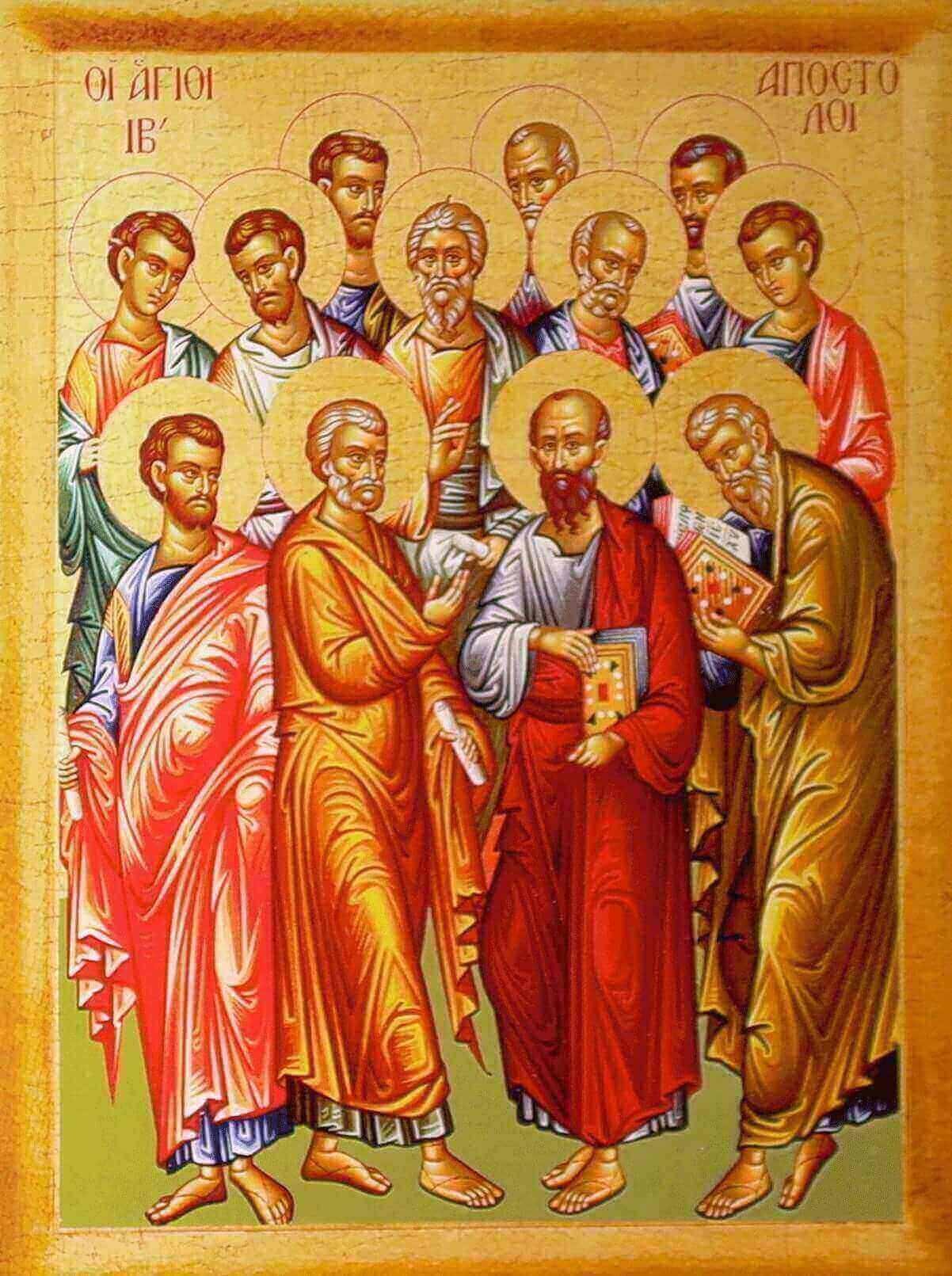
How many apostles are there in the New Testament?
Posted by Luke J. Wilson on 22nd May 2018 in Gifts of the Spirit | apostles,five fold ministry,gifts of the Spirit,Greek
...were that some would be apostles, some prophets, some evangelists, some pastors and teachers, to equip the saints for the work of ministry, for building up the body of Christ, until all of us come to the unity of the faith and of the knowledge of the Son of God, to maturity, to the measure of the full stature of Christ. (emphasis mine)
This is sometimes called the “Five Fold Ministry”. Compare this with 1 Cor 13:8-12, which parallels this thought using sightly different words about coming to maturity and being fully grown, and of seeing Jesus “face to face”. To put it simply, these gifts don’t end until we meet Jesus face to face, either in death or...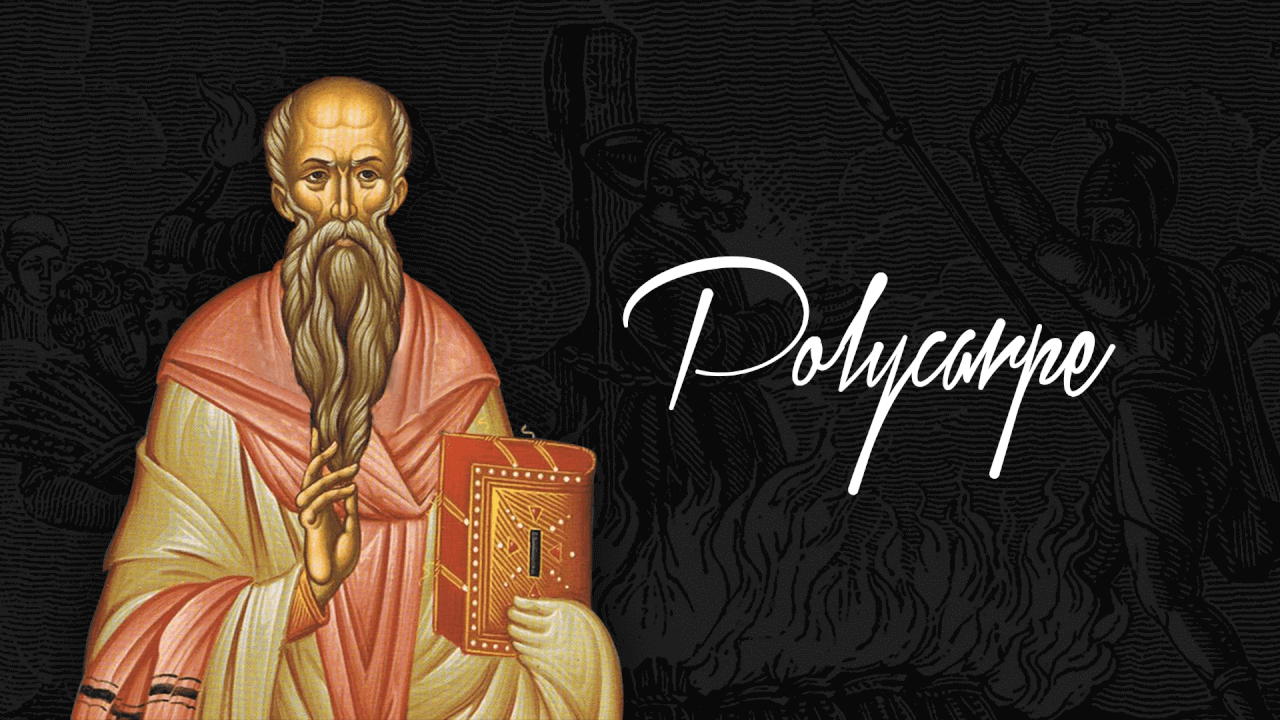
How Polycarp (And Others) Show The Early Use Of The New Testament
Posted by Luke J. Wilson on 21st November 2021 in Early Church | early church,early church fathers,polycarp,new testament,canon,biblical canon
...s give us some great, and rare, insights:
But Polycarp also was not only instructed by apostles, and conversed with many who had seen Christ, but was also, by apostles in Asia, appointed bishop of the Church in Smyrna, whom I also saw in my early youth, for he tarried [on earth] a very long time, and, when a very old man, gloriously and most nobly suffering martyrdom, departed this life, having always taught the things which he had learned from the apostles, and which the Church has handed down, and which alone are true. — Against Heresies (Book III, 3.4)
For I have a more vivid recollection of what occurred at that time than of recent events (inasmuch a...
What is Contemplative Prayer?
Posted by Luke J. Wilson on 9th February 2016 in Prayer | contemplation,prayer,meditate,meditation,waiting on the Lord,silence,Christian meditation,Lectio Divina
...In the quiet, still silence, I await my God.
There seems to be some misgivings about the idea of “contemplative prayer” (also referred to as Christian Meditation) and in some of the descriptions I've read, I would agree that it can seem iffy.
Contemplation, or sometimes known as Lectio Divina, is in its most basic form, the idea and practice of waiting on the Lord. Often in silence or while you ponder on scripture or when you seek an answer or just to rest in his presence and have your strength renewed.
There are some people who think that this means “emptying your mind” and doing something akin to occultism, and ope...
Lent Day 28: Athanasius: Life of Anthony: Chaps. 71-80
Posted by Luke J. Wilson on 1st April 2017 in Lent | Lent,great lent,fasting,early church fathers,devotional,daily reading,Athanasius,Bishop of Alexandria,Confessor,Doctor of the Church,Anthony the Great,miracles,Greek Philosophy,demons,healing,deliverance,the cross,foolishness of the cross
...hey would sometimes discuss things with him, or at other times would mock him and the message of the Cross. They came to mock Anthony because he had never “learned letters” and so was unable to read or write, so the Greeks thought he would be an unkempt and ignorant man, reared in the mountains and unable to reason properly.
Anthony vs Greek Philosophers
At one time during some event, Anthony noticed there were two Greek philosophers present (due to the way they were dressed), and so he approached them asking them why did they “come to a foolish man”, to which they said they didn’t think he was foolish, but “exceedingly prudent”. I’ll admit, I...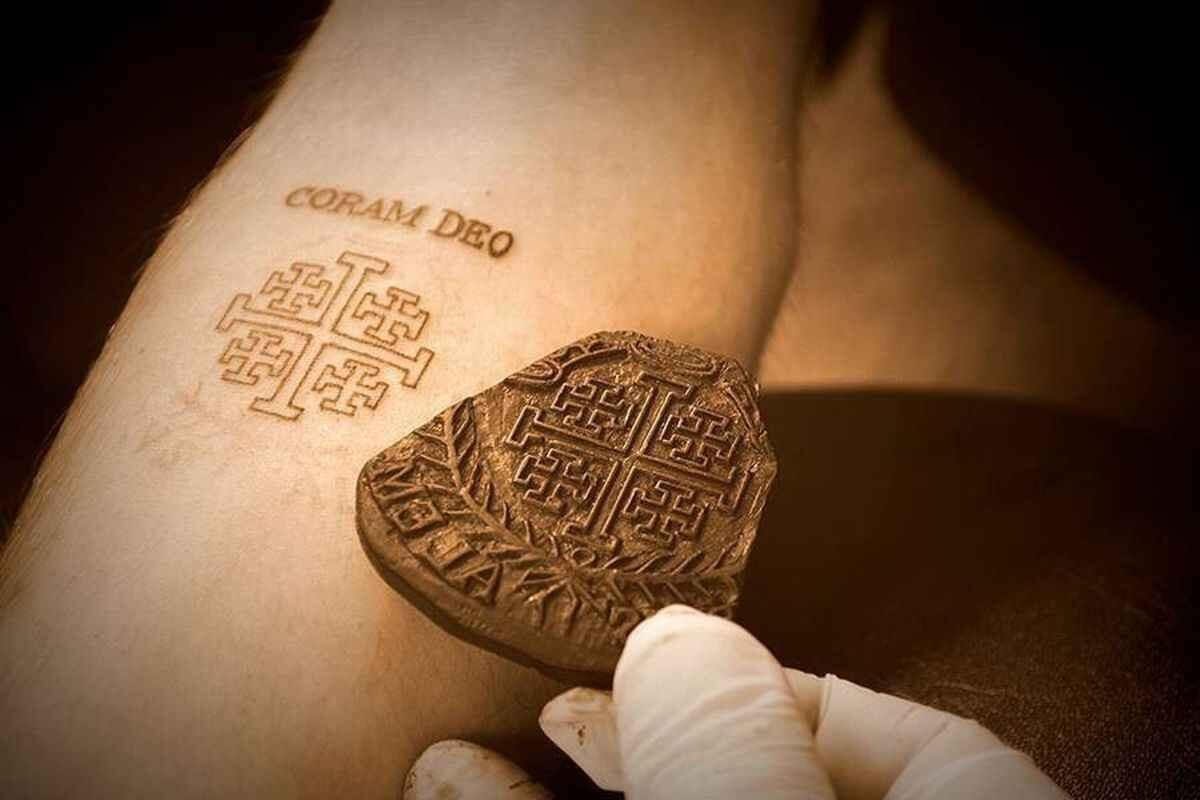
Should Christians get tattoos, and is it Biblical?
Posted by Luke J. Wilson on 31st August 2019 in Tattoos | tattoos,church history,Basil the Great,Leviticus,Old Testament
...I was in a discussion not so long ago about tattoos, and I was asked about the historical view on this practice. It wasn’t something I had looked into before from a Church Fathers point of view, so it was an interesting topic of study. In my searching, I found this article from a Catholic site which seems to give a pretty interesting overview of some of the views about tattoos in the earlier centuries. The following is a quote about a Church Council in the context of native Britons, who still practiced tattooing at that time for pagan ritual, something which Tertullian also gives a fleeting reference to around 213 AD in his On the Veiling of Virgins, ch. 10....
Powered by WebBoss.io 3.7.1
Copyright © 2026 The Sacred Faith: Timeless Truths for Modern Minds. All Rights Reserved.
