
Blog Search Results


211 results for theology
found
within the Blog
6 displayed out of 211 (0.05seconds)Page 4 of 36

Who is the New Jerusalem?
Posted by Luke J. Wilson on 6th January 2016 in Second Coming Series | Revelation,New Jerusalem,The Church,Holy City,Early Church,Early Church Fathers,Eusebius,Origen,Barnabas,millennium,millennial reign,1000 years,New Heaven and Earth
...d and the theology surrounding a new temple.
Barnabas 16:5-6
"Again, it was revealed how the city and the temple and the people of Israel should be betrayed … For it is written, ‘And it shall come to pass, when the week is completed, the temple of God shall be built...in the name of the Lord.’ I find...that a temple does exist. Having received the forgiveness of sins…in our habitation God dwells in us….This is the spiritual temple built for the Lord.”
Examining the rest of the description of the New Jerusalem, the link between the symbolism of the body of believers as a temple and holy structure from the Epistles becomes clearer, as we can...
Coffee with Jesus: John 1
Posted by Luke J. Wilson on 14th February 2023 in Devotional |
...Brief Thoughts From Daily Devotions
I’m sure we’re all familiar with John 1, especially the first few verses:
John 1:1–2In the beginning was the Word, and the Word was with God, and the Word was God. He was in the beginning with God. Through him all things were made; without him nothing was made that has been made.
Sometimes I think we can become so familiar with a Biblical text that we can forget or gloss over the rest of it, or what comes after and around it. Similar to the other famous John verse, John 3:16. After reading all of John 1 today, I was struck again with just how much theology John packs into such a short space in the opening paragraphs (...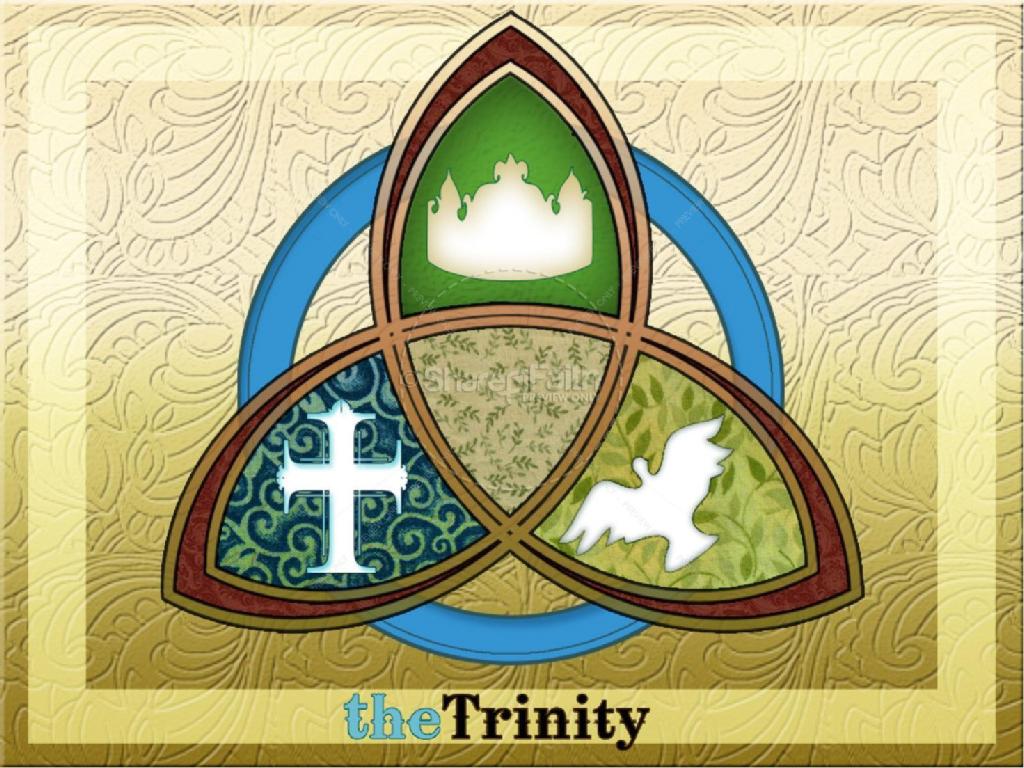
The Battle for the Trinity: Historical Heresies and Church Defences
Posted by Luke J. Wilson on 1st July 2024 in Trinity | trinity,heresy,heretics,theology,creeds
...n Western theology, also from the Son [filioque]), emphasising the Spirit’s origin in the Father.
This model highlights the relational structure within the Trinity without compromising the equality and unity of the three Persons. The Father is seen as the “fountainhead” of divinity, but the Son and the Holy Spirit share the same divine essence.
Patristic Insight: Gregory of Nyssa wrote, “For when we say that one is caused, and that the other is without cause, we do not divide the nature by the word cause, but only indicate the fact that the Son does not exist without generation, nor the Father by generation” (On Not Three Gods).
Comparing the...
Kirk Cameron And The Biblical Case For Annihilationism
Posted by Luke J. Wilson on 15th December 2025 in Hell | annihilationism,conditional immortality,Kirk Cameron,hell,controversy,controversial topics
...r Western theology, particularly under the influence of Augustine and medieval scholasticism, conditionalist views have appeared repeatedly throughout Church history since the second and third century onwards, from Irenaeus, to Theophilus of Antioch, to Arnobius of Sicca (and other varying views).
More importantly, the authority of doctrine is not determined by majority vote or historical age, but by being faithful to Scripture.
The Reformers themselves rejected long-held traditions when they believed those traditions lacked biblical grounding. To argue that a doctrine must be true simply because it is familiar is to mistake tradition for revelation.
This doe...Was the omniscience of God a developed idea?
Posted by Luke J. Wilson on 21st April 2014 in The Nature of God | progressive revelation, Christocentric, Christotelic, Hermeneutics, omniscience, omnipresence, theology
...Or do we retroactively place our current theology of God on God?
Consider the Garden of Eden: '[T]he Lord God called to the man, and said to him, “Where are you?”' (Gen. 3:8-10)
Now today we make it into a rhetorical question, but was this always so? In this story, God is spoken of almost in a physical-bodily sense as walking in the garden, since "they heard the sound of the Lord God walking in the garden" as he moved about, and then tried to hide themselves from his view!
Next think of the tower of Babel - "The Lord came down to see the city and the tower, which mortals had built" (Gen 11:5) - Did he not just know already? Also this story...
Why do bad things happen to 'good' people?
Posted by Luke J. Wilson on 6th April 2014 in Judgement | judgement,good people,bad things,mercy,grace,Job,divine pushishment
...teresting theology of the day if there was a general assumption that sin was always someone's fault - like a punishment, even if you were born like that! Jesus simply responds that it was no ones fault, but it was so that "God’s works might be revealed in him" (v.3). This man's blindness was not a divine punishment, but rather just something that happens and something which can be turned around for the glory of God - a sentiment that is echoed in Paul's writing to the church in Rome: "We know that all things work together for good for those who love God..." (Rom 8:28). Whatever is happening or has happened, if you love God, then he is actively working to turn...
Powered by WebBoss.io 3.7.1
Copyright © 2026 The Sacred Faith: Timeless Truths for Modern Minds. All Rights Reserved.
