
Blog Search Results


38 results for birth pangs
found
within the Blog
6 displayed out of 38 (0.30seconds)Page 5 of 7

Lent Day 27: Athanasius: Life of Anthony: Chaps. 61-70
Posted by Luke J. Wilson on 31st March 2017 in Lent | Lent,great lent,fasting,early church fathers,devotional,daily reading,Athanasius,Bishop of Alexandria,Confessor,Doctor of the Church,Anthony the Great,demons,healing,miracles,heresy,heretics,Arianism,deity of Christ
Day Twenty-seven: St. Athanasius: Life of Anthony: Chaps. 61-70
Who: Bishop of Alexandria; Confessor and Doctor of the Church; born c. 296; died 2 May, 373 AD. He was the main defender of orthodoxy in the 4th-century battle against the Arianism heresy. Certain writers received the title “Doctor” on account of the great advantage their doctrine had on the whole Church, Athanasius especially for his doctrine on the incarnation.
What: The biography of Anthony the Great’s life, which helped to spread the concept of Christian monasticism, particularly in Western Europe.
Why: From the letter’s own prologue: “The life and conversation of our holy Father...
Lent Day 28: Athanasius: Life of Anthony: Chaps. 71-80
Posted by Luke J. Wilson on 1st April 2017 in Lent | Lent,great lent,fasting,early church fathers,devotional,daily reading,Athanasius,Bishop of Alexandria,Confessor,Doctor of the Church,Anthony the Great,miracles,Greek Philosophy,demons,healing,deliverance,the cross,foolishness of the cross
Day Twenty-eight: St. Athanasius: Life of Anthony: Chaps. 71-80
Who: Bishop of Alexandria; Confessor and Doctor of the Church; born c. 296; died 2 May, 373 AD. He was the main defender of orthodoxy in the 4th-century battle against the Arianism heresy. Certain writers received the title “Doctor” on account of the great advantage their doctrine had on the whole Church, Athanasius especially for his doctrine on the incarnation.
What: The biography of Anthony the Great’s life, which helped to spread the concept of Christian monasticism, particularly in Western Europe.
Why: From the letter’s own prologue: “The life and conversation of our holy Father...
Lent Day 37: Leo the Great: Letter XXVIII (called the "Tome")
Posted by Luke J. Wilson on 12th April 2017 in Lent | Lent,great lent,fasting,early church fathers,devotional,daily reading,Doctor of the Church,lectures,Tome,Leo the Great,St Leo,hypostatic union,deity of christ,heresy,Pope Leo I
Day Thirty-seven: St. Leo the Great: Letter XXVIII (called the "Tome")
Who: Leo the Great, also known as Pope St. Leo I (the Great), was Pope from 440-61 AD. Place and date of birth unknown; died 10 November, 461. Leo's pontificate, next to that of St. Gregory I, is the most significant and important in Christian antiquity, as he tried to combat the heresies which seriously threatened church unity even in the West, such as Pelagianism.
What: A defence of the twofold nativity and nature of Christ against the false teaching of a priest called Eutyches. It is a doctrinal letter sent by Pope Leo I in the year 449 to Flavian, Patriarch of Constantinople, on the...
Lent Day 39: Leo the Great: Sermon XLIX (On Lent XI)
Posted by Luke J. Wilson on 14th April 2017 in Lent | Lent,great lent,fasting,early church fathers,devotional,daily reading,Doctor of the Church,lectures,Leo the Great,St Leo,Pope Leo I,sermon,almsgiving
Day Thirty-nine: St. Leo the Great: Sermon XLIX (On Lent XI)
Who: Leo the Great, also known as Pope St. Leo I (the Great), was Pope from 440-61 AD. Place and date of birth unknown; died 10 November, 461. Leo's pontificate, next to that of St. Gregory I, is the most significant and important in Christian antiquity, as he tried to combat the heresies which seriously threatened church unity even in the West, such as Pelagianism.
What: A sermon on the season of Lent as the Easter festival approached.
Why: To encourage the Church to fast during this season in order than they may put away temptations and overcome their vices, to be guided by God in all things.
W...
The Historic Practice of Abortion and How Ancient Christians Responded
Posted by Luke J. Wilson on 1st July 2022 in Abortion | abortion,roe v wade,church history,current events,theology,politics,Why Are Christians Against Abortion?
It’s no secret that the majority of Christians are against abortion, no matter where you look in the world. But nowhere has the issue come to more of a head than in the US recently with the overturning of Roe v Wade, which had made abortion legal across the country. Now abortion is no longer a federal constitutional right, but individual states now have the authority to determine the legality and rulings around abortion.
Christian opposition to abortion in America has always been a heated topic, especially in recent decades, but this isn’t a novelty within the Church in America, or globally, and has been a position of the faithful for about 2000 years. Even...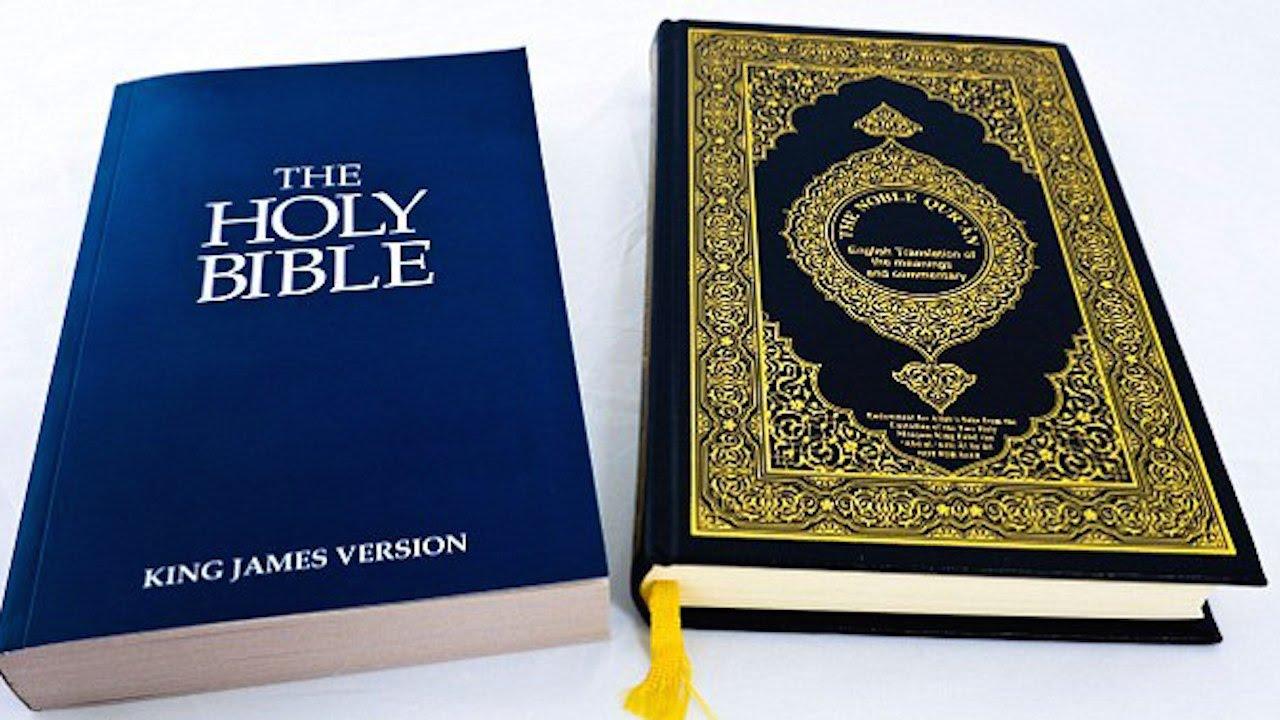
26 Differences Between Muhammad and Jesus
Posted by Luke J. Wilson on 17th October 2022 in Islam | Islam,Christianity,Jesus vs Muhammad,Islam vs Christianity,John of Damascus,church fathers,church history,religion
If you’ve ever spent any time online, either in random Facebook comment threads or reading the news, I’m sure you’ve come across the claim that Islam and Christianity are basically the same and that “we all worship the same God”, getting lumped together as an “Abrahamic religion” along with Judaism.
Muslims claim Islam “is the completed final version of the previous messages originally revealed to Moses and Jesus” which came to “correct the deviations of Christianity”, which had apparently become corrupt by the seventh century when Muhammad came along.
But for something which is meant to come from the same God at its core, it would sugges...
Powered by WebBoss.io 3.7.1
Copyright © 2026 The Sacred Faith: Timeless Truths for Modern Minds. All Rights Reserved.
