
Blog Search Results


34 results for creation
found
within the Blog
6 displayed out of 34 (0.03seconds)Page 5 of 6
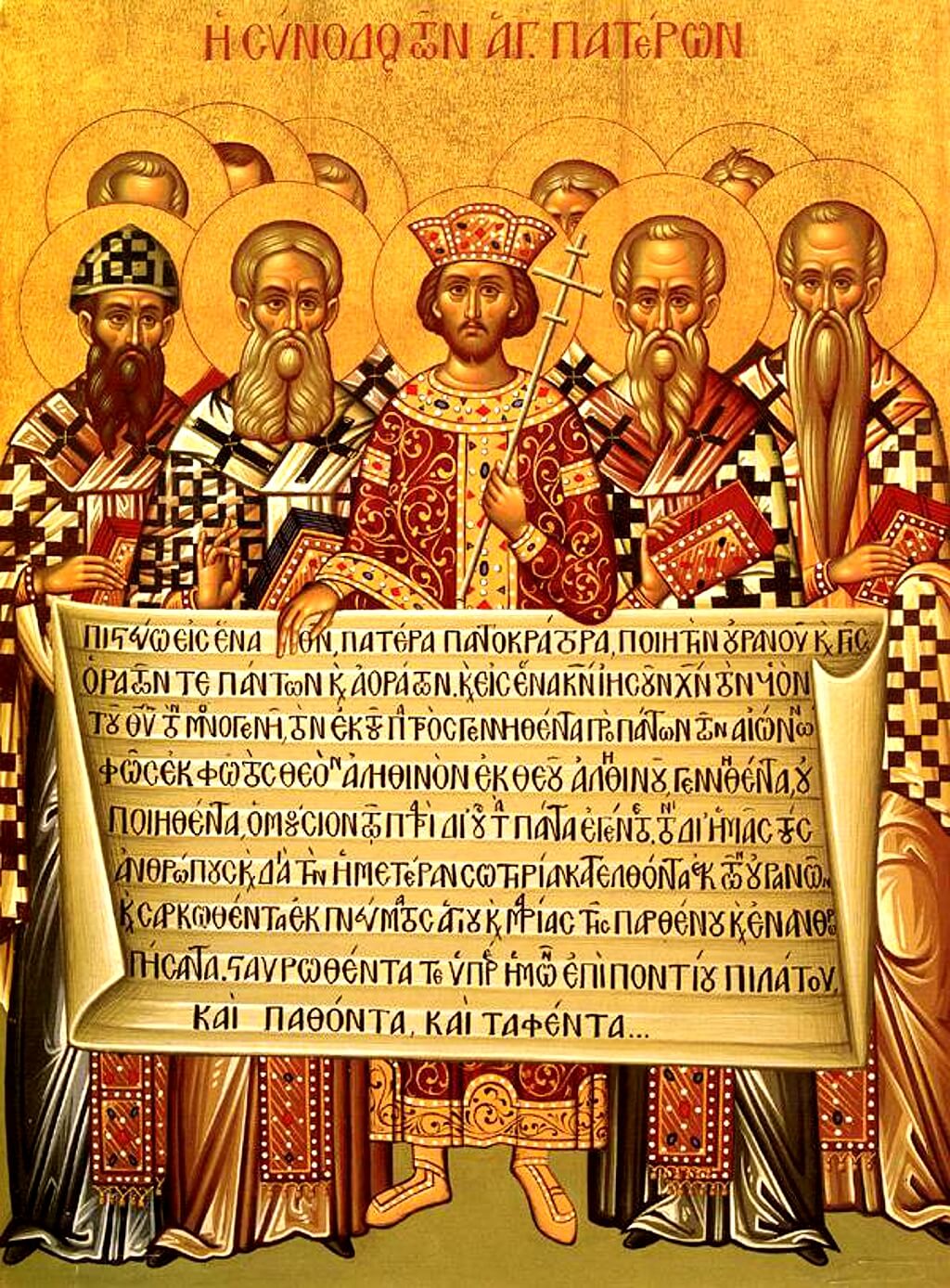
Creedal Christians: The Nicene Creed
Posted by Luke J. Wilson on 2nd June 2019 in Early Church | nicene creed,nicea council,creeds,creedal christians,creedal
...e rest of creation, the council aimed to settle on a uniform date for celebrating Easter as the East followed Jewish customs of Passover for the date, and the West followed another custom. Other than that, the other decrees (“canons”) declared were to do with how bishops should be consecrated, how bishops and priests should stay within their parishes and some rules on lending money with interest. There were 20 short canons/rulings in all which you can read here, if you’re interested to see exactly what went on.
For another viewpoint of what occurred during the Council, Eusebius of Cæsarea (who you may know as the author of Ecclesiastical History) was in...Hello
Posted by Luke J. Wilson on 5th April 2014 in Blogging | welcome, hell, homosexuality, gay, second coming, return of christ, apologetics, canon
...lity, the creation of the Canon and my more recent area of interest, The Return of Christ. These have been some of the bigger areas of theology and my faith that I've have to grapple with more than others, and I've not completely setting my mind on them, but I'm closer than I was a few months to a year ago.
Anyway, I hope you enjoy reading my thoughts here - feel free to share and leave comments!...
Did the Early Church invent the Trinity?
Posted by Luke J. Wilson on 4th January 2022 in Trinity | early church,trinity,church fathers,theology,council of nicaea,nicea council
...about the creation account and how it relates to the nature of God:
In like manner also the three days which were before the luminaries, are types of the Trinity, of God, and His Word, and His wisdom. And the fourth is the type of man, who needs light, that so there may be God, the Word, wisdom, man. — Theophilus, Of the Fourth Day, Chapter XV
Then in the early third century, around A.D. 208–210, Tertullian was the first to use “Trinity”, “person”, and “substance” to explain that the Father, Son and Holy Spirit:
The numerical order and distribution of the Trinity they assume to be a division of the Unity … yet of one substance, and of...
Debunking the Myth: The Council of Nicaea and the Formation of the Biblical Canon
Posted by Luke J. Wilson on 20th November 2023 in Early Church | church history,council of nicaea,myths,debunked,canon,biblical canon
...A myth that never seems to fade away: the idea that the Council of Nicaea, convened in 325 AD under the authority of Roman Emperor Constantine, played a pivotal role in establishing the Biblical canon. This notion suggests a conspiracy and power play orchestrated by a select group of elite bishops; a narrative popularised by works like Dan Brown’s Da Vinci Code. However, a closer examination reveals a lack of historical basis for this claim.
The Council of Nicaea and the Canon
Contrary to popular belief, there is no evidence that the Council of Nicaea discussed or established the Canon of Scripture, leading to the creation of the Bible. Early Christian cano...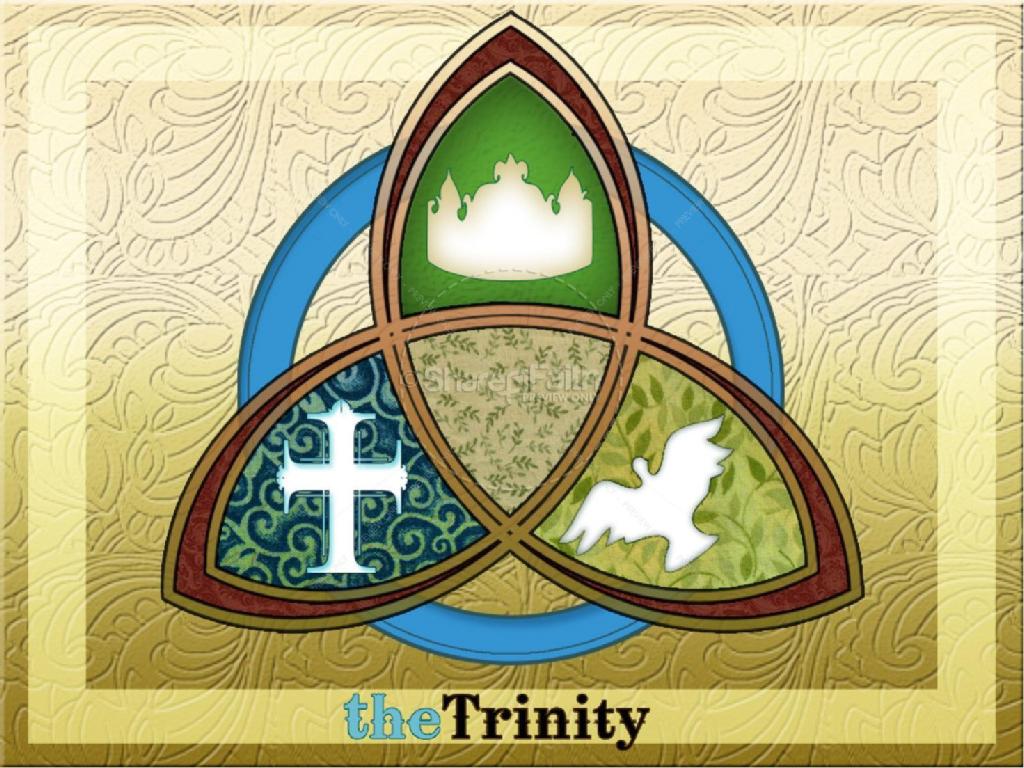
The Battle for the Trinity: Historical Heresies and Church Defences
Posted by Luke J. Wilson on 1st July 2024 in Trinity | trinity,heresy,heretics,theology,creeds
...Father in creation, as the Son in redemption, and as the Holy Spirit in sanctification. This denies the distinctiveness of the three Persons.
Church’s Response: Modalism was rejected because it undermines the relational aspect of the Trinity. The distinct Persons interact with each other, as seen in Jesus’ baptism where the Father speaks, the Son is baptised, and the Spirit descends like a dove.
Patristic Quote: Tertullian argued against Modalism by affirming the distinctiveness within the Godhead: “We do indeed believe that there is only one God, but we believe that under this dispensation… there is the Son, who has issued from the Father, and the Spi...
From Paradise to Presents: The Christian Story Behind the Christmas Tree
Posted by Luke J. Wilson on 23rd December 2024 in Christmas | history,St Boniface,christmas,christmas tree
...s but the creation of idols.
Jeremiah and Idolatry
Jeremiah’s primary concern in this passage is idolatry — specifically, the practice of carving wooden idols from trees and adorning them with precious metals to be worshipped as gods. The phrase “worked with an axe by the hands of an artisan” and the description of these objects being “like scarecrows” underscore that these trees were not left in their natural state but were fashioned into idols.
Canaanite figurine of a seated god from Late Bronze Age Megiddo (photo credit: COURTESY OF THE ORIENTAL INSTITUTE OF THE UNIVERSITY OF CHICAGO)
The text also emphasises the futility of these idols: t...
Powered by WebBoss.io 3.7.1
Copyright © 2026 The Sacred Faith: Timeless Truths for Modern Minds. All Rights Reserved.
