
Blog Search Results


64 results for sunday worship
found
within the Blog
6 displayed out of 64 (0.43seconds)Page 6 of 11

Lent Day 34: Cyril of Jerusalem: Catechetical Lectures: Lecture XXIII
Posted by Luke J. Wilson on 8th April 2017 in Lent | Lent,great lent,fasting,early church fathers,devotional,daily reading,Doctor of the Church,lectures,liturgy,catechism,Bishop of Jerusalem,Eucharist,Lord's Prayer
Day Thirty-four: St. Cyril of Jerusalem: Catechetical Lectures: Lecture XXIII
Who: Bishop of Jerusalem and Doctor of the Church, born about 315; died probably 18 March, 386. Little is known of his life, except from his younger contemporaries, Epiphanius, Jerome, and Rufinus, as well as from the fifth-century historians, Socrates, Sozomen and Theodoret.
What: Each of the lectures deal with a different topic to teach converts the mysteries of the Church, particularly: rites of the renunciation of Satan and his works, of anointing with oil, of baptism, of anointing with the holy chrism, and of partaking of the body and blood of Christ.
Why: Cyril delivered to ne...
Fasting: A spiritual and physical discipline
Posted by Luke J. Wilson on 27th May 2019 in Fasting | fasting,didache,discipline,self control,Lent,early church,early church fathers
The topic of fasting often comes up in online discussion groups that I'm a part of, more often in Protestant circles where the practice is more often sidelined in low churches. So let's take a look at the practice of fasting from a practical and historical view, as it seems to be a spiritual discipline which has been pushed aside in many churches today, with prayer, worship and bible reading taking more precedence in a Christian's life instead (not that those are bad things to do!).
Why fast?
There are many reasons to fast, and recent studies have shown a lot of health benefits that can be derived from fasting. But on the spiritual side of life, there are also...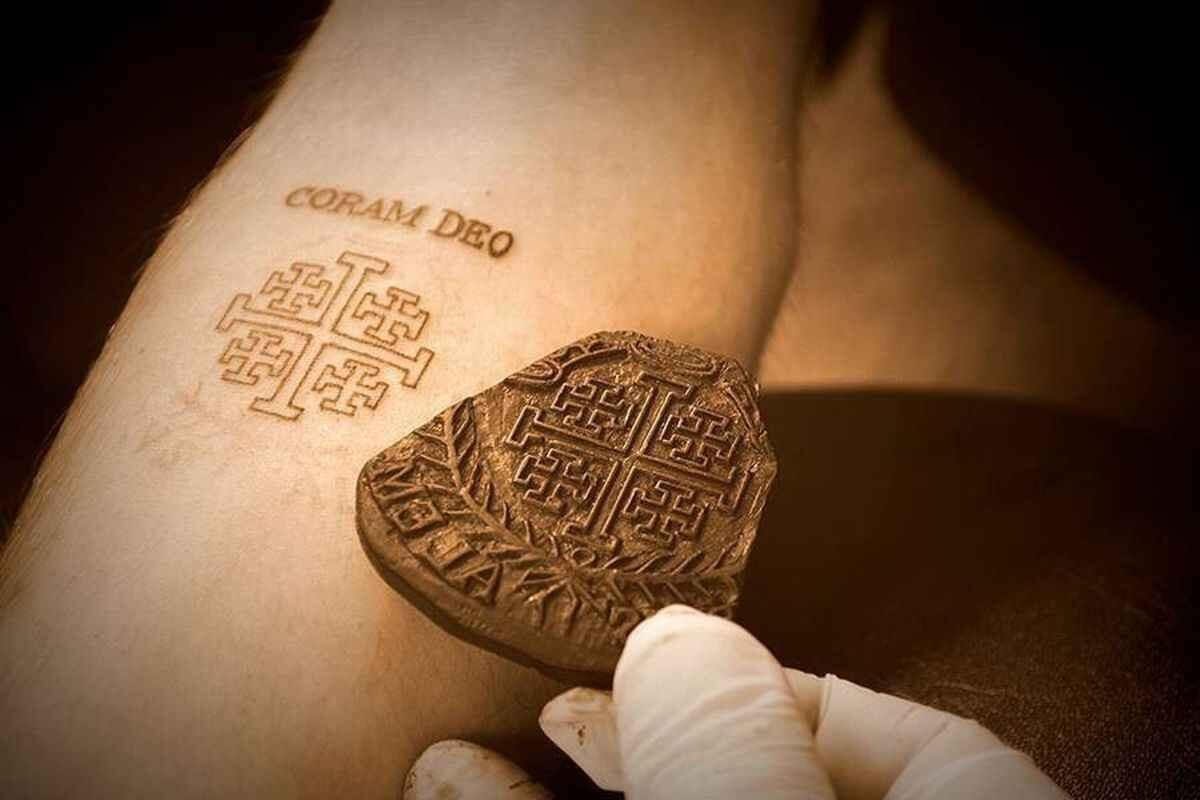
Should Christians get tattoos, and is it Biblical?
Posted by Luke J. Wilson on 31st August 2019 in Tattoos | tattoos,church history,Basil the Great,Leviticus,Old Testament
I was in a discussion not so long ago about tattoos, and I was asked about the historical view on this practice. It wasn’t something I had looked into before from a Church Fathers point of view, so it was an interesting topic of study. In my searching, I found this article from a Catholic site which seems to give a pretty interesting overview of some of the views about tattoos in the earlier centuries. The following is a quote about a Church Council in the context of native Britons, who still practiced tattooing at that time for pagan ritual, something which Tertullian also gives a fleeting reference to around 213 AD in his On the Veiling of Virgins, ch. 10....
Does Christmas have pagan origins?
Posted by Luke J. Wilson on 19th December 2019 in Christmas | christmas,xmas,origins,pagan,pagan roots,church fathers,church history,Saturnalia,Epiphany,Annunciation,Tertullian,Origen,john chrysostom,incarnation,liturgical calendar,church calendar,festivals
For most people, the question of the origins of Christmas is probably far from their minds. Some may recognise and give a cursory glance towards the Biblical narrative on the birth of Jesus as something to do with it (although a 2017 study showed that almost 1 in 20 Brits thought Easter was the birth of Jesus!);—but in some Christian circles the question (accusation?) that “Christmas is pagan” is at the forefront of their minds.
Table of Contents
When was December 25th celebrated?
The Christian Calendar
Concluding Thoughts
Bonus Information
Further Reading & Sources:
As time goes on and we move further and further into the future,...
Did the Early Church invent the Trinity?
Posted by Luke J. Wilson on 4th January 2022 in Trinity | early church,trinity,church fathers,theology,council of nicaea,nicea council
The doctrine and concept of the Trinity is encapsulated in Matthew 28:19, where Jesus instructs the apostles: “Go therefore and make disciples of all nations, baptizing them in the name of the Father and of the Son and of the Holy Spirit”. John, who was very close to Jesus and obviously knew him well, alludes to this teaching frequently in his Gospel, too. For example: John 1:1; John 8:58; John 10:30; and John 10:38.
Yet, despite this, and numerous other examples throughout the New Testament which point towards the threefold nature of God, plenty of myths and legends abound online and in books which state that the divinity of Jesus (and therefore the Trinit...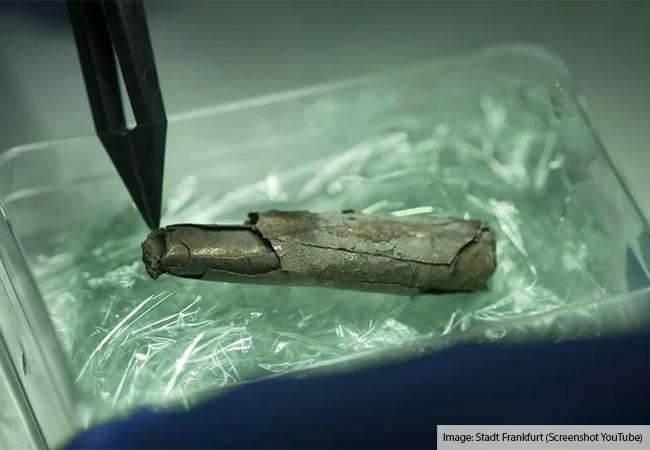
Implications Of The Frankfurt Silver Amulet: Insights Into Early Christian Practice And Belief
Posted by Luke J. Wilson on 6th January 2025 in Archaeology | amulet,liturgy,history,current events,early church
The discovery of an 1,800-year-old silver amulet in Frankfurt, Germany, has captured the attention of archaeologists and theologians alike. Known as the “Frankfurt Silver Inscription,” this artefact is the earliest known evidence of Christianity north of the Alps and serves as a great insight to early Christian theology and liturgical practice.
Its early date (230–270 AD) sets it apart from previously known artefacts, which are at least 50 years younger. While there are historical references to Christian communities in Gaul and Upper Germania during the late 2nd century, reliable material evidence of Christian life in the northern Alpine regions generally...
Powered by WebBoss.io 3.7.1
Copyright © 2026 The Sacred Faith: Timeless Truths for Modern Minds. All Rights Reserved.
