
Blog Search Results


210 results for the church
found
within the Blog
6 displayed out of 210 (0.28seconds)Page 6 of 35
When did Christians become so whiny?
Posted by Luke J. Wilson on 25th April 2014 in Christianity | persecution, news, Christians, whiny, Google, homosexuality, Early church, Love, church Fathers
the church is so whiny at times. At least in the West it seems, from the various news outlets which like to showcase the "worst" (and actual worst) of the bunch. Sometimes I read articles and wonder why do certain Christians care so much about this!? It's usually a non-issue really, often under the guise of "principles" or "persecution."
Now I realise that some of the articles I linked to above could also relate to serious issues that we, as Christians, should face and discuss. But even from a quick search on Huffington Post and the BBC News for "Christian", the majority of articles (as of writing) from America relate to homosexuality in some form, and for...
the Coming of Jesus: the Olivet Discourse – Part 2
Posted by Luke J. Wilson on 3rd February 2016 in Second Coming Series | Second Coming,Return of Christ,Return of Jesus,Preterism,Prophecy,Last Days,Left Behind,Eschatology,Matthew 24,Olivet Discourse,Josephus,history,Part 2,Desolation,Temple Destruction,Jewish War,70AD
Welcome to Part Two of the Olivet Discourse! It’s been a while, so we’ll pick up right where we left off with Matthew 24 verse 15 onwards, after a small recap of the chapter so far.
the Olivet Discourse begins with the disciples admiring the architecture of the temple in Jerusalem. Jesus responds to this by telling them that it will all be thrown down and destroyed, to the point that not one stone will be left on another. Later on, when they are sat on the Mount of Olives, Jesus’ disciples come to him and ask “when will this happen?” and “what will be the sign” that all of this is about to commence?
If we look at the accou...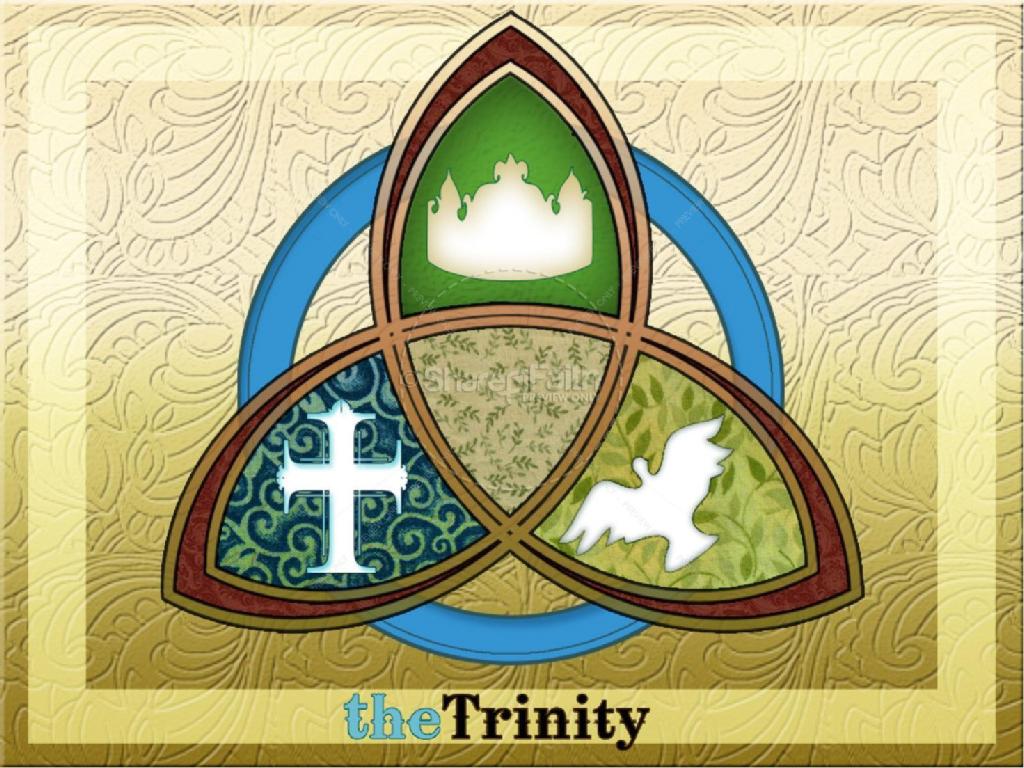
the Battle for the Trinity: Historical Heresies and church Defences
Posted by Luke J. Wilson on 1st July 2024 in Trinity | trinity,heresy,heretics,theology,creeds
the Trinity is a cornerstone of Christian faith, defining God as one Being in three Persons: Father, Son, and Holy Spirit. However, throughout history, various misunderstandings and false teachings — known as heresies — have arisen, challenging this core doctrine. Understanding these heresies can strengthen our faith and deepen our appreciation for the truths held by the church since its earliest days.
What Is the Trinity?
Before diving into the heresies, let’s briefly review what we mean by the Trinity. the Christian doctrine of the Trinity teaches that God is one essence in three distinct Persons:
the Father: the Creator and sustainer of al...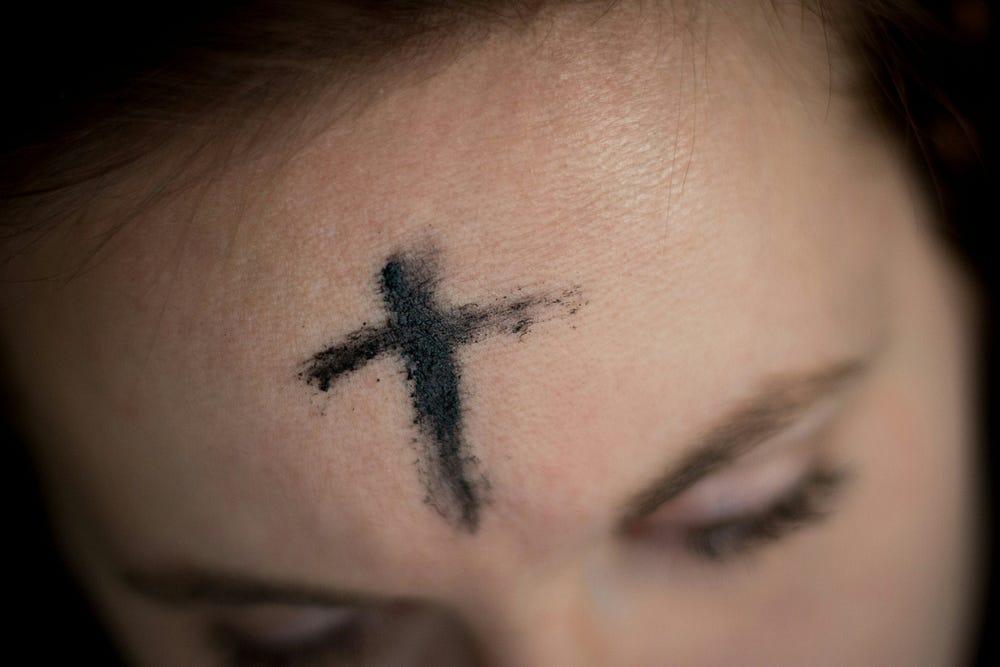
From Dust to Redemption: the Meaning of Ash Wednesday
Posted by Luke J. Wilson on 5th March 2025 in Lent |
...etters to the churches to encourage fasting, self-control, and moderation during this period. His writings provide valuable insight into how Lent was observed in the early church and confirm that the practice was well established long before later claims that it had pagan origins. In one of his letters, written around AD 332, he describes the structure of the Lenten fast:
the beginning of the fast of forty days is on the fifth of the month Phamenoth [Ash Wednesday]; and when, as I have said, we have first been purified and prepared by those days, we begin the holy week of the great Easter on the tenth of the month Pharmuthi [Palm Sunday], in which, my beloved b...
Lent Day 34: Cyril of Jerusalem: Catechetical Lectures: Lecture XXIII
Posted by Luke J. Wilson on 8th April 2017 in Lent | Lent,great lent,fasting,early church fathers,devotional,daily reading,Doctor of the church,lectures,liturgy,catechism,Bishop of Jerusalem,Eucharist,Lord's Prayer
...owship in the church, after they had been baptised.
When: Around 348-350 AD
You can find today’s reading on page 162 here: lentfatherscomplete.pdf
Today's final lecture on the mysteries by Cyril, is on the Sacred Liturgy and Communion and is an exposition based on 1 Peter 2:1
1 Peter 2:1Rid yourselves, therefore, of all malice, and all guile, insincerity, envy, and all slander.
Any of my liturgical friends may enjoy this one today. Cyril gives us a breakdown of the liturgy spoken in the church service when they are about to receive communion. I couldn’t help but get a little excited when I read this lecture as it reminded me so much of my Anglic...
Creedal Christians: the Apostle's Creed
Posted by Luke J. Wilson on 11th October 2018 in Early church | creedal christians,creeds,creedal,apostles,apostolic creed,apostolic tradition,rule of faith,early church fathers,early church
...the Apostle's creed — what is it and why is it called that?
Outside of the New Testament, this is one of the oldest creeds we have, dating back to the sixth – eighth century in its current form that is commonly known today, but having its origins much earlier — as far back as the second century in a shorter form known simply as the “Old Roman Creed”.
the Apostles creed is also sometimes referred to as the “Rule of Faith” as it is a summary of the Gospel and is the basis for pretty much all modern theology. the points of the creed cover all the major pillars of the Christian faith which aims to safeguard what is true orthodoxy (right belief), whic...
Powered by WebBoss.io 3.7.1
Copyright © 2026 The Sacred Faith: Timeless Truths for Modern Minds. All Rights Reserved.
