
Blog Search Results


103 results for end of the age
found
within the Blog
6 displayed out of 103 (0.55seconds)Page 7 of 18
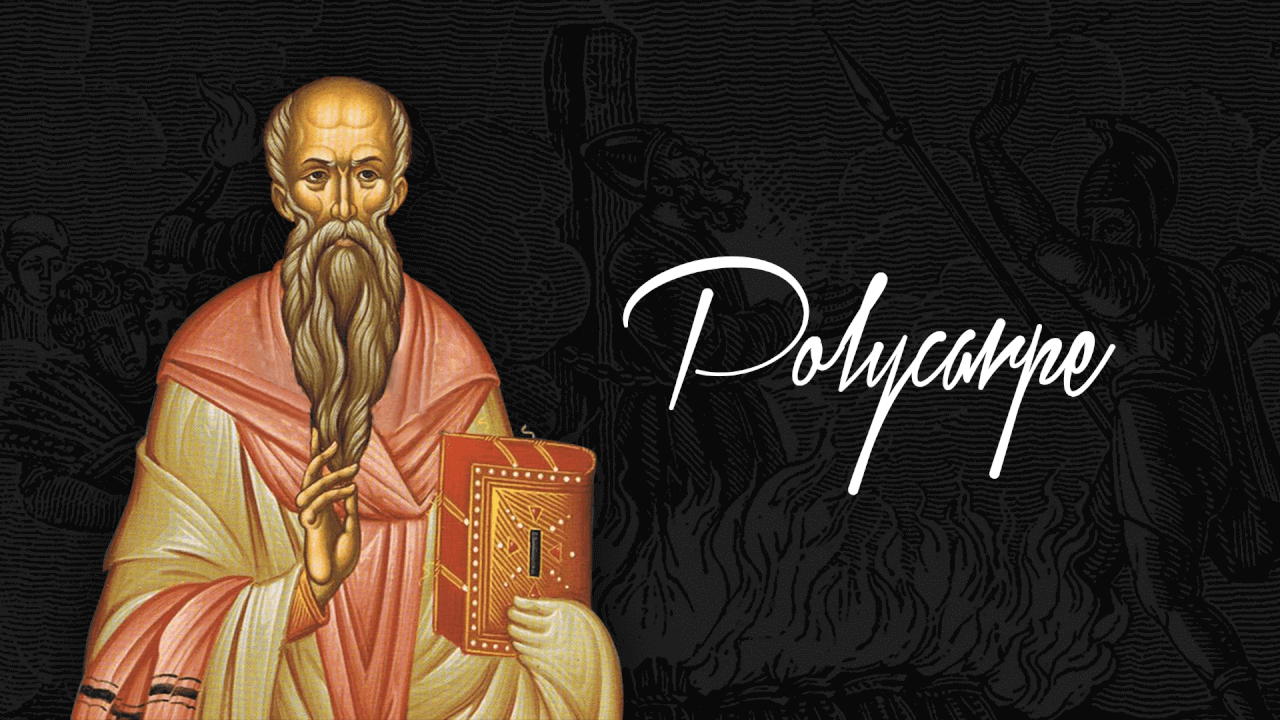
How Polycarp (And Others) Show the Early Use of the New Testament
Posted by Luke J. Wilson on 21st November 2021 in Early Church | early church,early church fathers,polycarp,new testament,canon,biblical canon
Polycarp is one of the most important people in early church history. He was a disciple of John the Evangelist, and later became the bishop of Smyrna.
Polycarp was born around 69 A.D. in Smyrna, which is now modern-day Turkey. He grew up during a time when Christians were being persecuted for their beliefs, and he himself became a Christian at a young age. Polycarp is regarded as one of the earliest church fathers because he had a significant impact on Christianity as it spread throughout Asia Minor and Europe, and he also played an important role in shaping biblical canon for centuries to come.
We don’t know a great deal about his life, apart from t...
Kirk Cameron And the Biblical Case For Annihilationism
Posted by Luke J. Wilson on 15th December 2025 in Hell | annihilationism,conditional immortality,Kirk Cameron,hell,controversy,controversial topics
Christian conversations about hell have never been especially calm, but the recent online reaction to Kirk Cameron’s comments in favour of annihilationism has been particularly revealing. Social media has erupted with accusations of heresy, doctrinal collapse, and theological compromise.
It’s the “Rob Bell Incident” all over again (if anyone remembers that).
the infamous John Piper tweet about Rob Bell
A lot of comments I saw were wondering what Ray Comfort thinks of this, as he and Kirk worked closely together in ministry for about 25 years, and while Ray wasn’t as dismissive as John Piper was of Rob Bell, he still calls out Kirk’s new vi...
Lent: Day 5 - Ignatius to the Ephesians
Posted by Luke J. Wilson on 6th March 2017 in Lent | Lent,great lent,fasting,early church fathers,devotional,daily reading,Ignatius of Antioch: Letter to the Ephesians,Ignatius
Day Five: St. Ignatius of Antioch: Letter to the Ephesians (full text)
Who: Ignatius converted at a young age and later became Bishop of Antioch. A friend of Polycarp and fellow disciple of John, there is a long standing tradition that Ignatius was the child that Jesus held in his arms and blessed in Mark 10:13-16
What: the letter has a strong call to and for unity within the church, along with respect for their bishop.
Why: Ignatius wrote a series of letters to the churches in Asia Minor whilst en route to Rome to face martyrdom by wild beasts in the Colosseum around 108 AD.
When: Around 107-108 AD
there is a strong theme to this letter from the outset, an...
Did Jesus lead the first youth group?
Posted by Luke J. Wilson on 23rd November 2023 in General Interest | disciples,apostles,youth group,apologetics
the Bible can be a complex thing, with many interwoven connections not always immediately apparent, linking topics and themes together across the ages. One such intriguing relationship lies between Exodus 30:14 and Matthew 17:24–27, offering valuable perspectives on the age dynamics among Jesus’ disciples with a hidden clue in the brief encounter about paying temple tax.
Exodus 30:14 — the age of Accountability
Exodus 30:14 establishes a significant criterion for temple tax payment: “Everyone who is numbered, from twenty years old and over, shall give the offering to the Lord.” This biblical guideline sets what might be considered a standard for...
Why do bad things happen to 'good' people?
Posted by Luke J. Wilson on 6th April 2014 in Judgement | judgement,good people,bad things,mercy,grace,Job,divine pushishment
A question most often asked by Christians and non-Christians alike is "why do bad things happen to 'good' people?" I say 'good' in quotations because, as Paul writes in Romans 3:10, "there is no one who is righteous, not even one".
In light of that this question is technically, fundamentally flawed, as it presupposes that some people are better or more worthy than others. We all do wrong one way or another, so at a base level and in comparison to a Holy God, no one is any more 'good' than another, which is Paul's argument I believe (but that's probably a whole other blog post for another day).
But that aside, taking the question as it is, and assuming tha...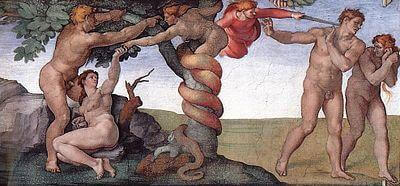
Was there death before the Fall?
Posted by Luke J. Wilson on 15th April 2014 in Death | Sheol,the Fall,Creation,Genesis,Adam and Eve,death,resurrection
It is often said and believed by many that our souls are immortal - that God gave us a spirit/soul that cannot die when he created us, and that death was not even a concept or reality before Adam and Eve sinned in the Garden of Eden. Despite this idea being a fairly "recent" concept (in terms of history and theology), and it stemming from Greek philosophy, it's also not supported by the Biblical text - especially in Genesis.
Lets look at the creation account in Gen 2:7—
then the Lord God formed man from the dust of the ground, and breathed into his nostrils the breath of life; and the man became a living being.
the word "being" in that verse, or "sou...
Powered by WebBoss.io 3.7.1
Copyright © 2026 The Sacred Faith: Timeless Truths for Modern Minds. All Rights Reserved.
