
Blog Search Results


131 results for holy spirit
found
within the Blog
6 displayed out of 131 (0.27seconds)Page 7 of 22

Is Halloween a Pagan Holiday?
Posted by Luke J. Wilson on 30th October 2017 in Halloween | halloween,all saints day,all hallows eve,early church,tradition,cultural and society,celebrations,festivals,holidays,holy day
It's that time of year when you begin to see various articles and debates online about Hallowe'en, and whether it's entirely pagan in origin and the Church "stole it"; or if it's something that Christians should even have any part in.
Table of Contents
Origins of the holiday
Aren’t there pagan roots?
What about “Trick or Treat”, costumes and pumpkins?
In conclusion
To some people, the answer is a straightforward “no”, while others say it falls into the realm of Christian freedom and personal discernment. But what about if you're unsure or somewhere in the middle of those two positions, how should you decide what is the right thing to do?...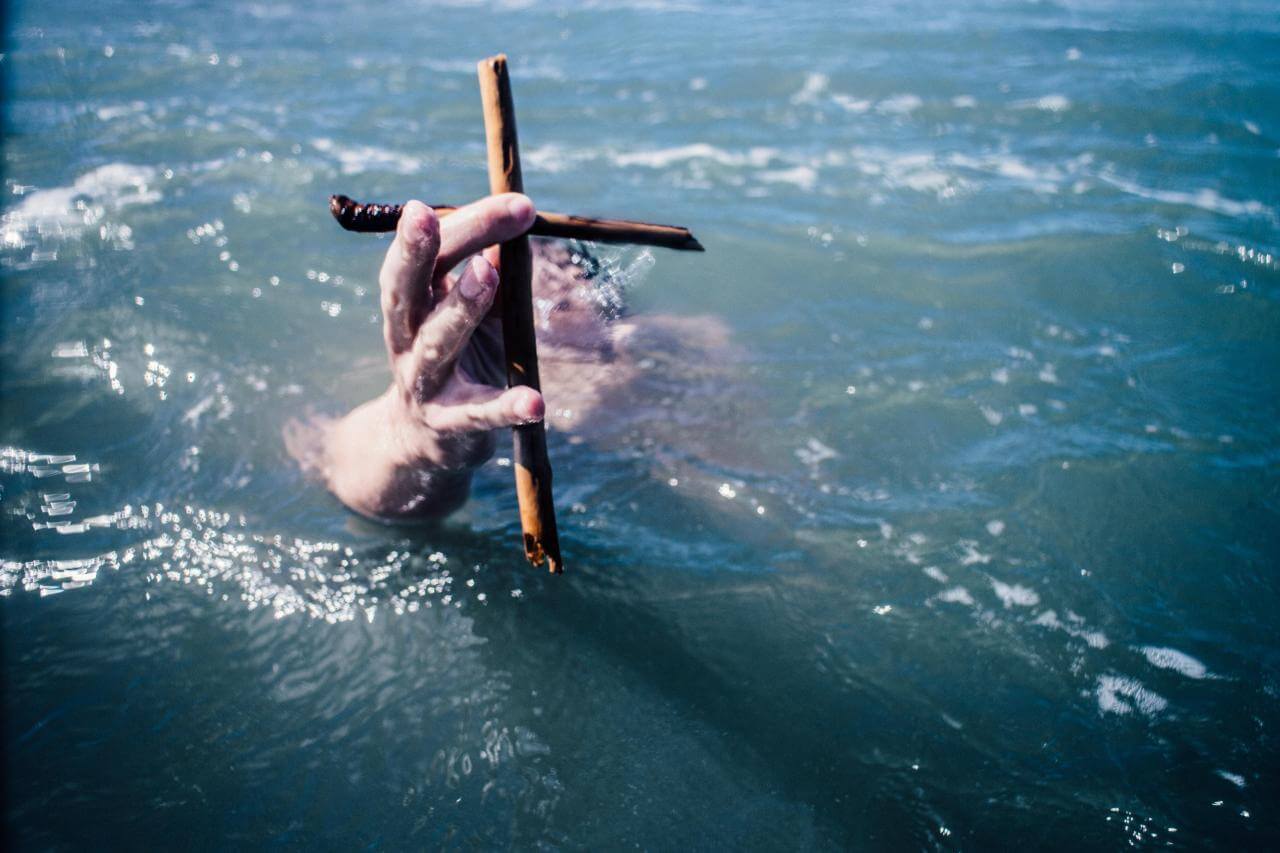
The Author of Life Knew Death For Our Sake!
Posted by Luke J. Wilson on 25th March 2016 in Easter | Easter,Good Friday,holy Week,crucifixion,resurrection,reconcilliation
A week or so ago, I stayed the night at a local monastery with a friend. We got to see, and be partially involved in the day to day life of the Monks there, especially during mealtimes. We sat and ate in silence together while someone read to us, which was actually more enjoyable than I expected it to be. I can't remember what the book was called now, but it was to do with the Passion and what the crucifixion meant, and the point they were reading about was when the Roman soldier stabbed Jesus in the side.
This is where it got interesting and gave me something to think about that I'd never heard taught before. Normally most preachers and sermons talk about the...
Lent Day 25: Athanasius: Life of Anthony: Chaps. 41-50
Posted by Luke J. Wilson on 29th March 2017 in Lent | Lent,great lent,fasting,early church fathers,devotional,daily reading,Athanasius,Bishop of Alexandria,Confessor,Doctor of the Church,Anthony the Great,demons,demonology,satan,devil
Day Twenty-five: St. Athanasius: Life of Anthony: Chaps. 41-50
Who: Bishop of Alexandria; Confessor and Doctor of the Church; born c. 296; died 2 May, 373 AD. He was the main defender of orthodoxy in the 4th-century battle against the Arianism heresy. Certain writers received the title “Doctor” on account of the great advantage their doctrine had on the whole Church, Athanasius especially for his doctrine on the incarnation.
What: The biography of Anthony the Great’s life, which helped to spread the concept of Christian monasticism, particularly in Western Europe.
Why: From the letter’s own prologue: “The life and conversation of our holy Father,...
Did a Roman Catholic priest perform 'invalid' baptisms for years?
Posted by Luke J. Wilson on 21st February 2022 in Roman Catholicism | early church,early church fathers,Donatism,baptism,Vatican
You may have seen in the news lately, a Roman Catholic priest in Arizona, USA, has apparently performed “invalid” baptism for years, well over a decade, even.
Due to this, now thousands of people are stressing about whether their baptism counted or if they need to be re-baptised due to the error by Rev. Andres Arango! This has caused concern over the other sacraments these people have partaken in since their baptism, such as the Eucharist, and whether they should have even been allowed it. The Diocese of Phoenix is trying to identify people baptised by Arango so that they can track them down for re-baptism (and possibly, re-confirmation and whatever other r...
Does Christmas have pagan origins?
Posted by Luke J. Wilson on 19th December 2019 in Christmas | christmas,xmas,origins,pagan,pagan roots,church fathers,church history,Saturnalia,Epiphany,Annunciation,Tertullian,Origen,john chrysostom,incarnation,liturgical calendar,church calendar,festivals
For most people, the question of the origins of Christmas is probably far from their minds. Some may recognise and give a cursory glance towards the Biblical narrative on the birth of Jesus as something to do with it (although a 2017 study showed that almost 1 in 20 Brits thought Easter was the birth of Jesus!);—but in some Christian circles the question (accusation?) that “Christmas is pagan” is at the forefront of their minds.
Table of Contents
When was December 25th celebrated?
The Christian Calendar
Concluding Thoughts
Bonus Information
Further Reading & Sources:
As time goes on and we move further and further into the future,...
Biblical Inspiration and the Canon: How We Got the Bible
Posted by Luke J. Wilson on 28th February 2025 in Early Church | canon,nicea council,nicene council,myths,church history,church fathers
The Bible is often described as “God-breathed,” a phrase taken from 2 Timothy 3:16: “All scripture is inspired by God and is useful for teaching, for reproof, for correction, and for training in righteousness.” But what does it mean for Scripture to be “inspired,” and how did the books of the Bible come to be recognised as part of the canon — the authoritative collection of writings that make up the Bible? Were they really “decided” at the Council of Nicaea, as some popular myths claim?
Table of Contents
Understanding Biblical Inspiration
What is the Canon?
The Septuagint and the Deuterocanonical Books
How Were the Books of the Bi...
Powered by WebBoss.io 3.7.1
Copyright © 2026 The Sacred Faith: Timeless Truths for Modern Minds. All Rights Reserved.
