
Blog Search Results


83 results for islam vs christianity
found
within the Blog
6 displayed out of 83 (0.92seconds)Page 7 of 14

Lent: Day 17 - Justin Martyr: First Apology: Chaps. 60-68
Posted by Luke J. Wilson on 20th March 2017 in Lent | Lent,great lent,fasting,early church fathers,devotional,daily reading,Justin Martyr,apologetics,Plato,trinity,baptism,sunday worship
Day Seventeen: St. Justin Martyr: First Apology, Chaps. 60-68
Who: Justin Martyr was a Philosopher who converted to christianity and became a tireless evangelist and apologist. Justin wrote more christianity than any other person prior to his time. He is classified herein as Eastern, since he a native of Samaria and his thought patterns were Eastern. However, he spent the last years of his life in Rome, where he was executed as a martyr (c. 165).
What: An apologetic (defence) essay to explain what Christians believe and do.
Why: Justin is demanding the Emperor to investigate accusations and unjust persecution against Christians so that they at least may fac...
The Problem of Suffering and How We Approach it
Posted by Luke J. Wilson on 6th January 2018 in christianity | evil,suffering,the problem of evil,human suffering,reconcilliation,pain,true religion,pure worship
The topic of human suffering is a subject many Christians struggle with, and is an issue many theologians have written about over the centuries — so it's definitely not something I can fully address in a single blog post!
But there are some general principles we can find in Scripture that many Christians can/do accept, which should act as a starting point to addressing this subject, such as:
We live in a fallen world due to sin (Gen 3), and so things aren’t perfect and neither are people, therefore suffering can happen from illness, nature, and human action (or inaction).
Not all suffering is necessarily “bad”, from a Christian perspective. For exam...
Will the Real Heretics Please Stand Up (Book Review)
Posted by Luke J. Wilson on 30th January 2019 in Book Review | book review,Francis chan,David Bercot,early church,five stars
Straight off, this book will challenge you in your thinking and quite possibly in your practice and outworking of life as a Christian—especially if you are from an evangelical/Baptist/non-denominational background.
Will the Real HereticsPlease Stand Up
The book starts of taking you carefully through some of the practices and beliefs of the early church and those who knew the Apostles personally. It all feels very hopeful and like you're being led onward in a journey towards a certain goal, much of which I'm sure you'll find agreeable in what Bercot points out as discrepancies between early christianity and today.
Then we get to a few points about the Re...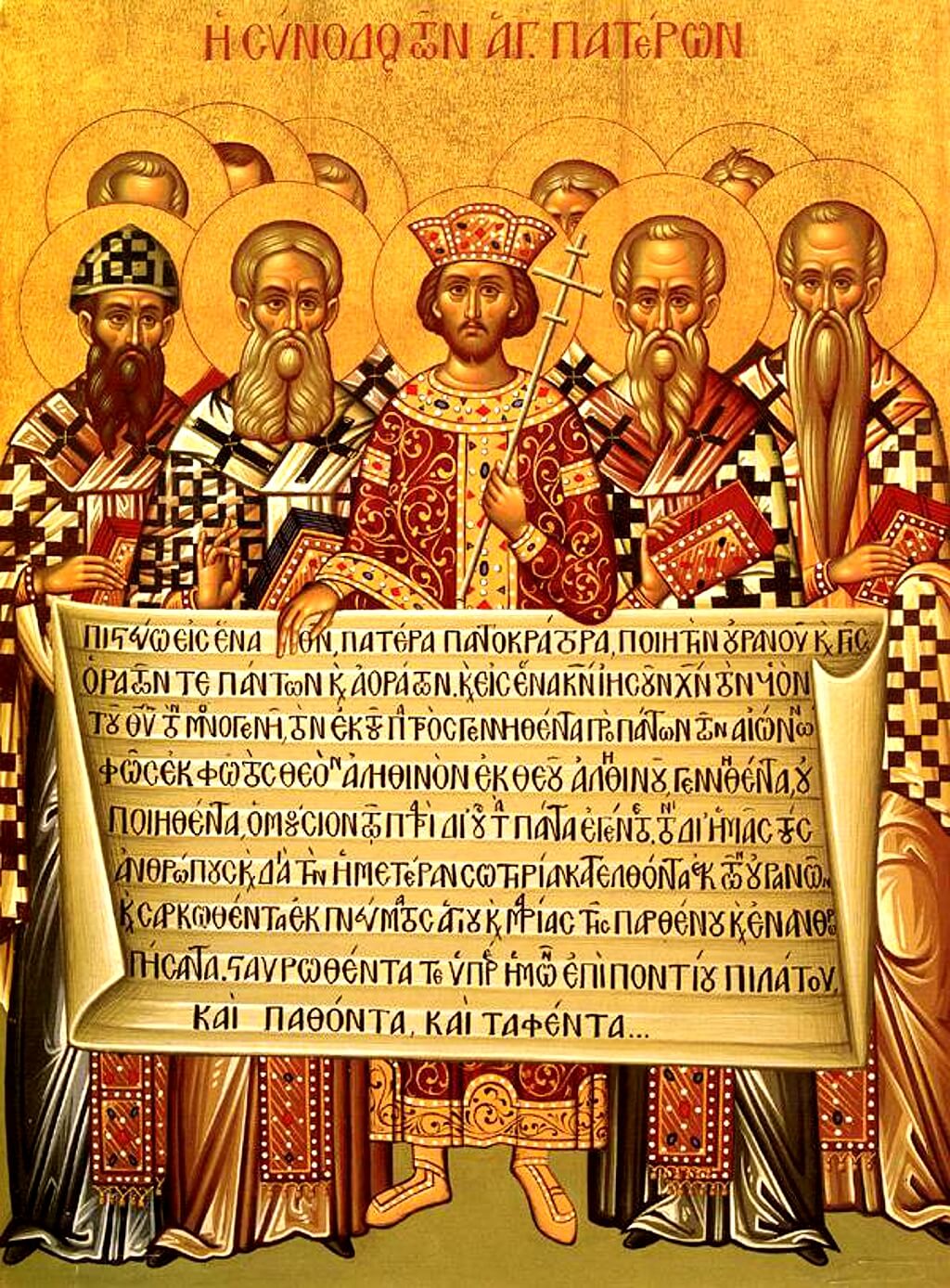
Creedal Christians: The Nicene Creed
Posted by Luke J. Wilson on 2nd June 2019 in Early Church | nicene creed,nicea council,creeds,creedal christians,creedal
The Nicene Creed — what is it and why is it called that?
This creed gets its name from a time and place: the first ecumenical Church council held at Nicaea, which is now known as İznik in northwestern Turkey, in 325 AD.
Now that may raise another question for you: what is an ecumenical council? Well, to explain more about the Nicene Creed, we are going to have to take a look at The First Council of Nicaea in order to better understand why this creed was written.
First things first though; an “ecumenical council” is ideally a Church-wide meeting where all the Bishops from all across the Church come together to hold a very large and very important meetin...
Christians and the Coronavirus (COVID-19)
Posted by Luke J. Wilson on 20th March 2020 in Coronavirus |
We currently live in troubled times lately with a lot of uncertainty around us, both locally and globally. But even now as I write this and think on the topic of the virus, one verse in particular springs to mind:
Psalm 23:4Even though I walk through the valley of the shadow of deathI fear no evil;for you are with me;your rod and your staff — they comfort me.
It does feel a little bit like we are all walking through “the valley of the shadow of death” at the moment! But as the Psalmist says, “I fear no evil” for God is with us and comforts us. That doesn’t necessarily mean we won’t get sick (or die), but that no matter what is happening aroun...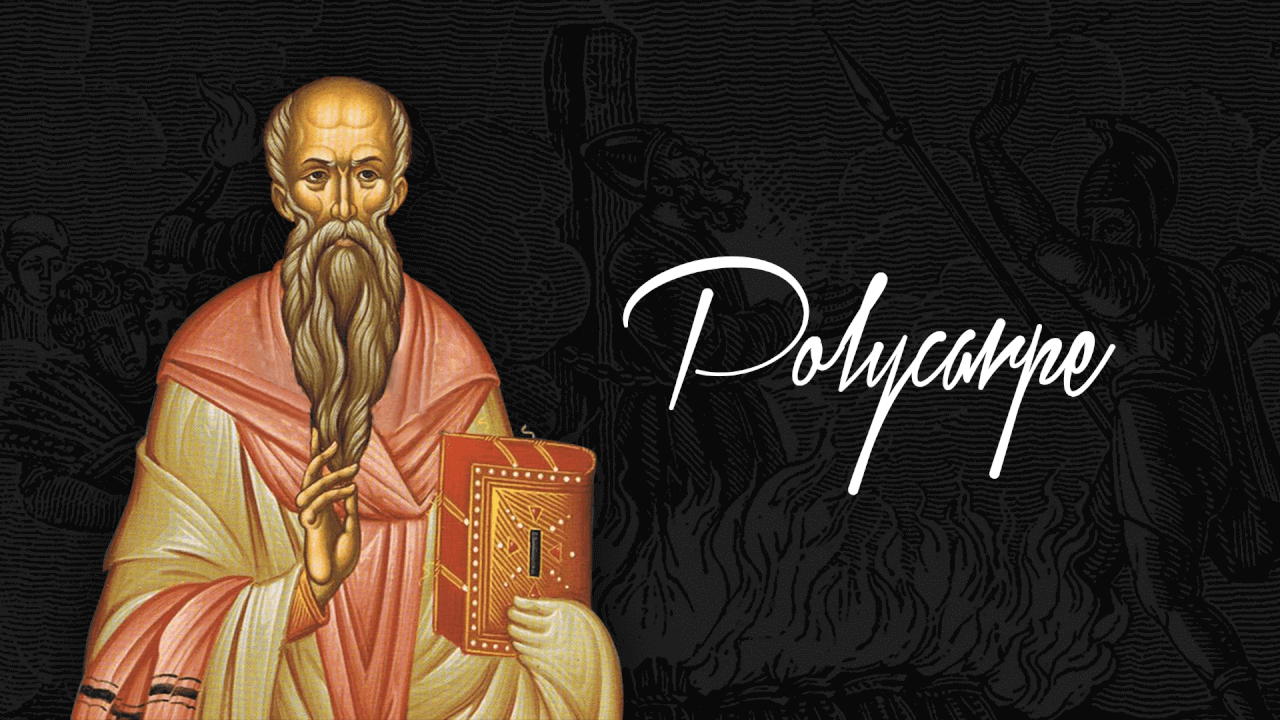
How Polycarp (And Others) Show The Early Use Of The New Testament
Posted by Luke J. Wilson on 21st November 2021 in Early Church | early church,early church fathers,polycarp,new testament,canon,biblical canon
Polycarp is one of the most important people in early church history. He was a disciple of John the Evangelist, and later became the bishop of Smyrna.
Polycarp was born around 69 A.D. in Smyrna, which is now modern-day Turkey. He grew up during a time when Christians were being persecuted for their beliefs, and he himself became a Christian at a young age. Polycarp is regarded as one of the earliest church fathers because he had a significant impact on christianity as it spread throughout Asia Minor and Europe, and he also played an important role in shaping biblical canon for centuries to come.
We don’t know a great deal about his life, apart from t...
Powered by WebBoss.io 3.7.1
Copyright © 2026 The Sacred Faith: Timeless Truths for Modern Minds. All Rights Reserved.
