Blog Search Results


Did you mean:
christians
?
113 results for Christians
found
within the Blog
6 displayed out of 113 (0.05seconds)Page 8 of 19

What was so good about Good Friday?
Posted by Luke J. Wilson on 18th April 2014 in Easter | Good Friday,Jesus,crucifixion,forgiveness,sin,Easter,Holy Week,Christmas
...the early Christians didn't care about this event in the same way we do today.
And history would tell us this as well, as celebrating birthdays were a pagan/Roman tradition, the Christians had nothing to do with it. It wasn't until around the 4th Century when Pope Julius declared December 25th as the date in order to corresponded with the Roman feast of Saturnalia.
But the real celebration, and the main thrust and focus in the New Testament is the death of Jesus and his subsequent resurrection. While there does seem to be some evidence to suggest that by the 2nd Century, early Christians were celebrating Easter, it sometimes feels like the Modern Church ha...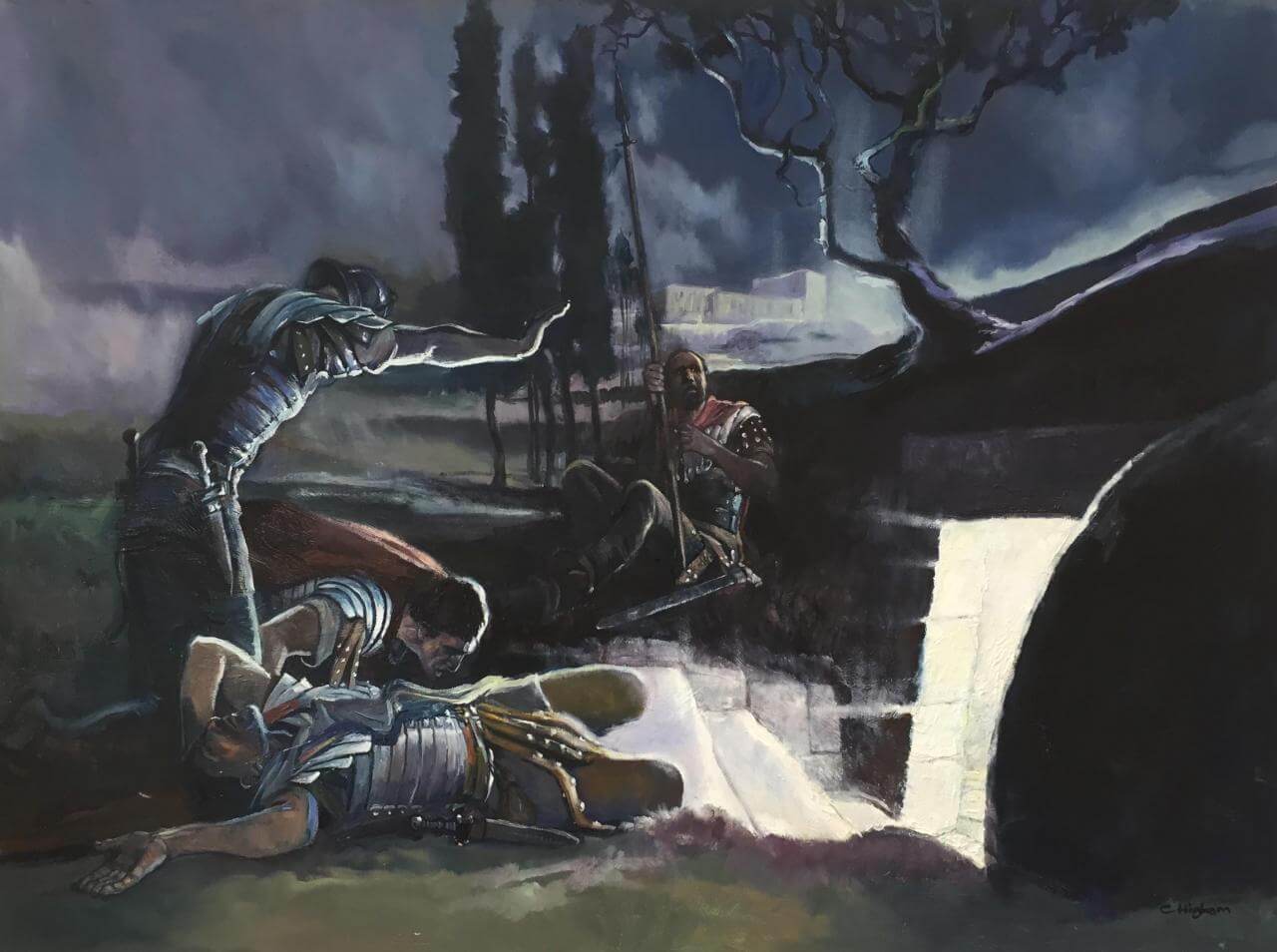
Raised in the Heavenlies!
Posted by Luke J. Wilson on 27th March 2016 in Easter | resurrection,Jesus,new birth,new life,born again,baptism,spiritual resurrection,physical resurrection,glorified bodies,third day,Easter,easter sunday
...Easter is upon us once again! Lent is over, Good Friday has passed and now the time for mourning and fasting is complete. It's a time to feast, a time to remember and celebrate the resurrection of Christ as we look forward to our own final resurrection!But what really is the resurrection? How will we be resurrected, and what does it mean for us that Jesus rose again? Let’s explore what this means for us as Christians, and see what the Scriptures say.
The resurrection is spiritual!
That heading may cause some reading this to question me, but do read on – this is actually what the New Testament teaches us (though not only this type of resurrection).
Many ti...
Creedal Christians: The Apostle's Creed
Posted by Luke J. Wilson on 11th October 2018 in Early Church | creedal Christians,creeds,creedal,apostles,apostolic creed,apostolic tradition,rule of faith,early church fathers,early church
...ongst the Christians. Most often, the need for creeds arose in opposition to heresy so that the Church could point to what was historically taught by Christ and the Apostles to show what was ancient and true, as opposed to new and “novel” doctrines.
The Old Roman Creed
The text of the Old Roman Creed survives in a letter from a bishop Marcellus of Ancyra, which was sent to Julius, the bishop of Rome, dating back to around 340–360 AD where it was mainly used as a baptismal text in the Roman church. Roughly 50 years later, Tyrannius Rufinus (an Italian monk) wrote a commentary on this creed whilst translating it into Latin, where he made a note about the...
John Chau, missionary to the Sentinelese: martyr or madness?
Posted by Luke J. Wilson on 3rd December 2018 in Missions | sentinelese,John Chau,missionary,martyrdom,martyr,india,current events,tribes people
...root out Christians necessarily, but they did refuse to partake due to their beliefs in worshipping God alone and not committing idolatry by performing an act of worship towards the reigning Caesar.
As far as the Romans were concerned, the Christians were traitors and committed a treasonous act. It didn’t really matter why, only that they couldn’t be convinced otherwise and were killed for it to be an example to others. Were these early Christians martyrs or completely mad? How you answer that, I suspect, will inform you of how you view young John Chau’s death.
I, for one, am willing to give him the honour of “martyr” as he truly did count the cost...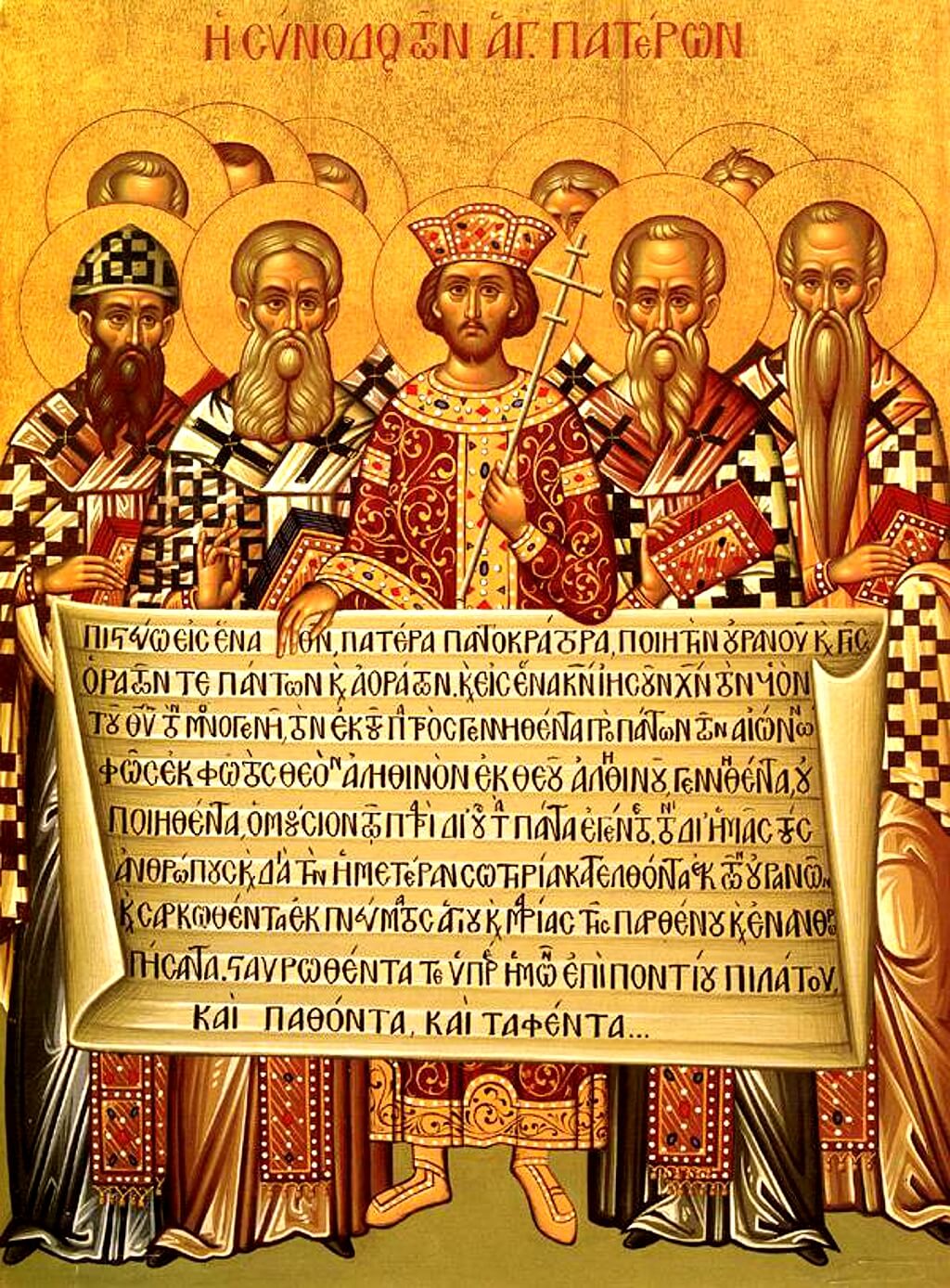
Creedal Christians: The Nicene Creed
Posted by Luke J. Wilson on 2nd June 2019 in Early Church | nicene creed,nicea council,creeds,creedal Christians,creedal
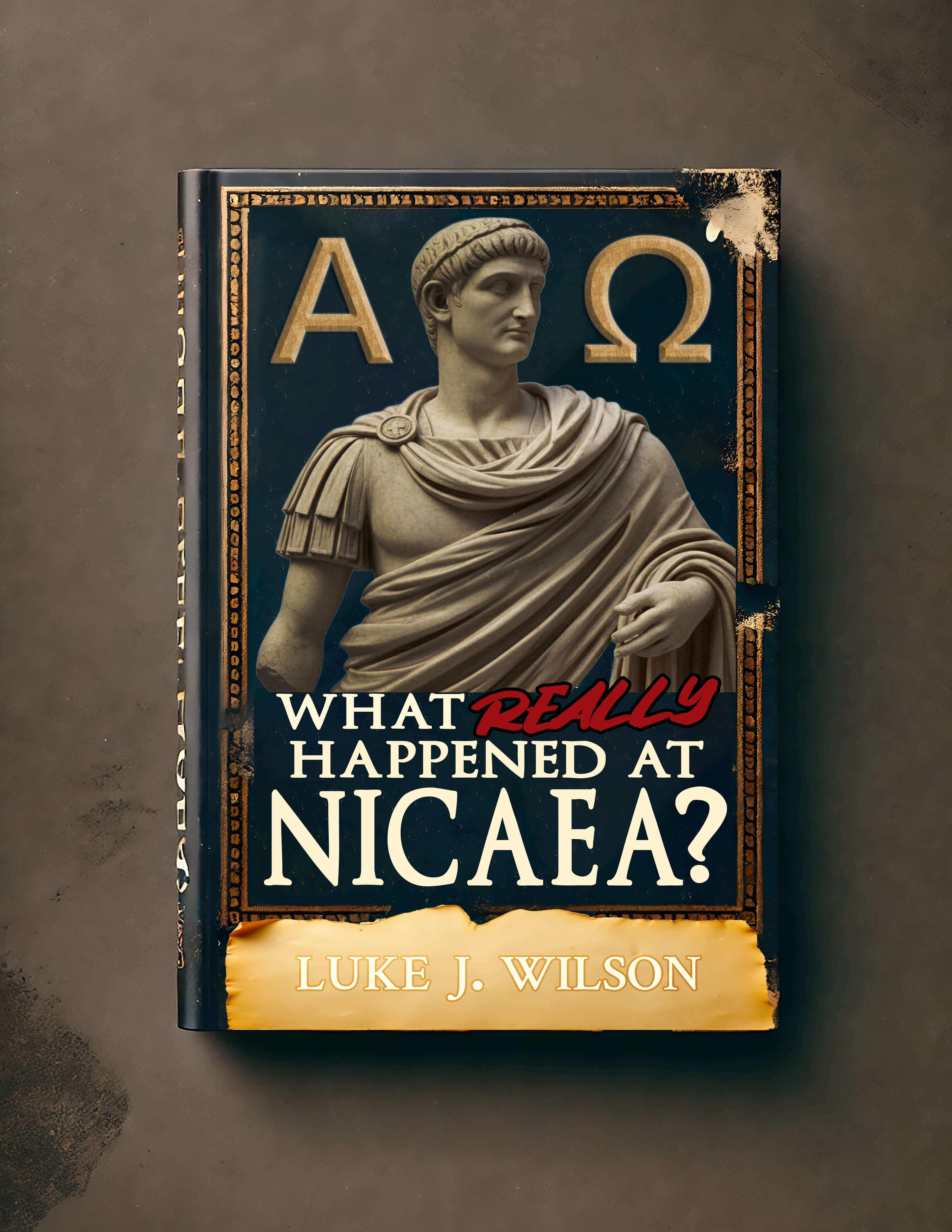
...The Nicene Creed — what is it and why is it called that?
This creed gets its name from a time and place: the first ecumenical Church council held at Nicaea, which is now known as İznik in northwestern Turkey, in 325 AD.
Now that may raise another question for you: what is an ecumenical council? Well, to explain more about the Nicene Creed, we are going to have to take a look at The First Council of Nicaea in order to better understand why this creed was written.
First things first though; an “ecumenical council” is ideally a Church-wide meeting where all the Bishops from all across the Church come together to hold a very large and very important meetin...
New Covenant Israel is no longer physical (nor literal)!
Posted by Luke J. Wilson on 11th October 2015 in Israel | Israel,new creation,born again,new covenant
...the early Christians taught that Christ had fulfilled the Old Covenant in himself, and therefore superseded it with the New:
Justin Martyr (about 100 to 165): "For the true spiritual Israel ... are we who have been led to God through this crucified Christ."
Tertullian (ca.160 – ca.220 AD): “Who else, therefore, are understood but we, who, fully taught by the new law, observe these practices,—the old law being obliterated, the coming of whose abolition the action itself demonstrates. . . . Therefore, as we have shown above that the coming cessation of the old law and of the carnal circumcision was declared, so, too, the observance of the new...
Powered by WebBoss.io 3.7.1
Copyright © 2026 The Sacred Faith: Timeless Truths for Modern Minds. All Rights Reserved.