
Blog Search Results


55 results for doctrine
found
within the Blog
6 displayed out of 55 (0.03seconds)Page 8 of 10

Lent Day 40: Leo the Great: Sermon LXXII: ON THE LORD'S RESURRECTION, II
Posted by Luke J. Wilson on 15th April 2017 in Lent | Lent,great lent,fasting,early church fathers,devotional,daily reading,Doctor of the Church,lectures,Leo the Great,St Leo,Pope Leo I,sermon,resurrection,easter,easter sunday
...of Divine doctrine, and the Life of eternal happiness (Jn 14:6).
Christ took our nature upon Him for our salvation
In the beginning, when the “whole body of mankind had fallen”, our merciful God had purposed in himself to make a way to reconcile “His creatures made after His image [...] through His only-begotten Jesus Christ”.
Leo goes on to say that if we had not fallen from how God made us, we'd have been happy; but now we can be happier if we remain in what he has remade us to be through his Spirit.
Jesus was “excluded [from] all taint of the sin which has passed upon all men”, that taint being “weakness and mortality, which were not sin,...
Creedal Christians: Introduction
Posted by Luke J. Wilson on 29th September 2018 in Early Church | creeds,creedal Christians,creedal,early church,church history
...n certain doctrines – which is essentially just stating their own type of creed instead of listing an ancient and historically accepted one. Even those who declare “no creed but Christ”, or “I just believe the Bible”, are ironically making a creed, albeit a short one with no solid definition.
The Church has been declaring creeds for as long as it has existed, despite the sometimes common accusation that creeds are “unbiblical” or “non-biblical”; statements which couldn’t be further from the truth! Even in the Apostles time they were making statements of faith in short creedal formats, and a few of them are preserved in the New Testament, pr...
Creedal Christians: The Apostle's Creed
Posted by Luke J. Wilson on 11th October 2018 in Early Church | creedal christians,creeds,creedal,apostles,apostolic creed,apostolic tradition,rule of faith,early church fathers,early church
...novel” doctrines.
The Old Roman Creed
The text of the Old Roman Creed survives in a letter from a bishop Marcellus of Ancyra, which was sent to Julius, the bishop of Rome, dating back to around 340–360 AD where it was mainly used as a baptismal text in the Roman church. Roughly 50 years later, Tyrannius Rufinus (an Italian monk) wrote a commentary on this creed whilst translating it into Latin, where he made a note about the view and belief that this creed had been originally written or determined by the Apostles themselves shortly after Pentecost and before they left Jerusalem, hence the name this creed eventually came to be known as.
I mentioned last...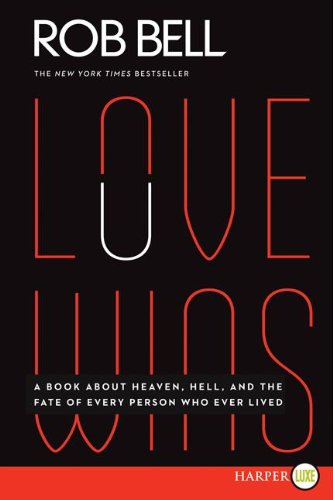
Rob Bell's “Love Wins” (Review)
Posted by Luke J. Wilson on 5th April 2014 in Hell | Rob Bell,book review
...Book review on Rob Bell's “Love Wins” (originally written March 2013)
This book was quite openly condemned by some prominent Christian leaders when the book was first announced back around Spring 2011, mainly mainly accusing Bell of being a universalist and denying the existence of hell.
Lots of leaders formed opinions about the book and thus lots and laypeople took on various opinions as their own without much insight or research. The problem was that these leaders hadn't even READ the book! It wasn't released yet at the time. They decided their opinions based on the blurb and promo video which posed provocative questions about the doctrine of hell.
Th...
Former Muslim Explains the Trinity
Posted by Luke J. Wilson on 9th February 2018 in Trinity | muslim,former muslim,trinity,apologetics,Nabeel Qureshi,modalism,heresy
...I saw this video doing the rounds on Facebook, and thought it was too good not to share here as well.
Very few people tend to articulate the Trinitarian doctrine well enough to: a) still make sense, and b) not slip into heresy. Just reading the comments section on this video proves point b) quick enough, with many people giving their take on it (and usually espousing some form of Modalism).
I won't make a big post on the Trinity now, but I may do one soon off the back of this one, as it's clearly still something believers (and non-believers) struggle to understand, or explain without heresy!
For now though, sit back and take about 5 minutes to listen to this...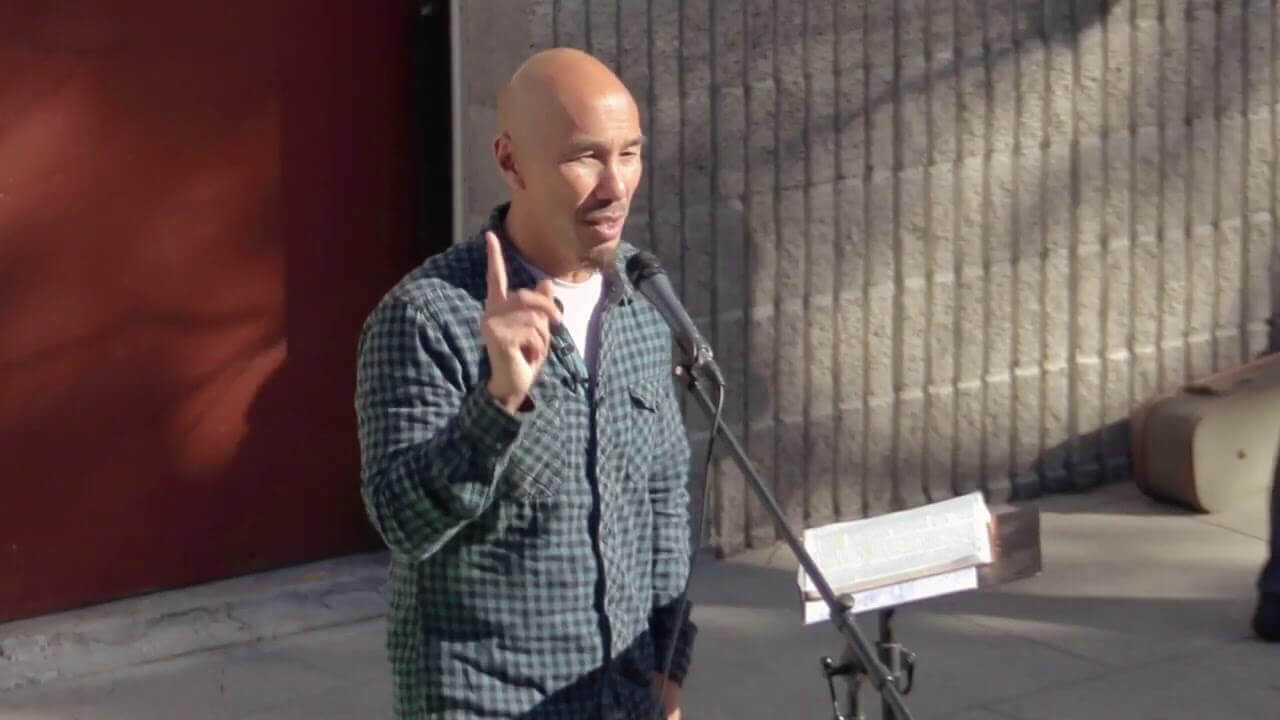
Francis Chan turns towards a more historical and ancient view of Communion
Posted by Luke J. Wilson on 14th January 2020 in General Interest | eucharist,communion,francis chan,church fathers,church history,controversy
...g a false doctrine about Jesus not really coming in the flesh, and uses communion as an example to prove the opposite, which also gives us an interesting and early view on the sacraments:
“They abstain from the Eucharist and from prayer, because they confess not the Eucharist to be the flesh of our Saviour Jesus Christ, which suffered for our sins, and which the Father, of His goodness, raised up again.”— Ignatius Of Antioch: Letter To The Smyrnaeans (c.108 AD)
At first reading I was stuck by the literal nature in which Ignatius spoke of the Eucharist (communion), and as I read more of the Early Church Fathers, that same, common thread kept appearing: th...
Powered by WebBoss.io 3.7.1
Copyright © 2026 The Sacred Faith: Timeless Truths for Modern Minds. All Rights Reserved.
