
Blog Search Results


Did you mean:
holy spirit
?
131 results for Holy Spirit
found
within the Blog
6 displayed out of 131 (0.82seconds)Page 9 of 22

From Dust to Redemption: The Meaning of Ash Wednesday
Posted by Luke J. Wilson on 5th March 2025 in Lent |
Ash Wednesday marks the beginning of Lent, a season of repentance, fasting, and preparation for Easter in the Christian calendar. It is observed by many Western Christian traditions, including the Roman Catholic Church, Anglican Communion, Lutheran churches, and some Methodist and Reformed communities. The day falls 46 days before Easter Sunday and is always on a Wednesday.
Origins and Historical Development
The practice of Ash Wednesday can be traced back to the early centuries of Christianity, though its formal observance developed over time. The use of ashes as a sign of repentance has deep biblical roots, appearing frequently in the Old Testament. People w...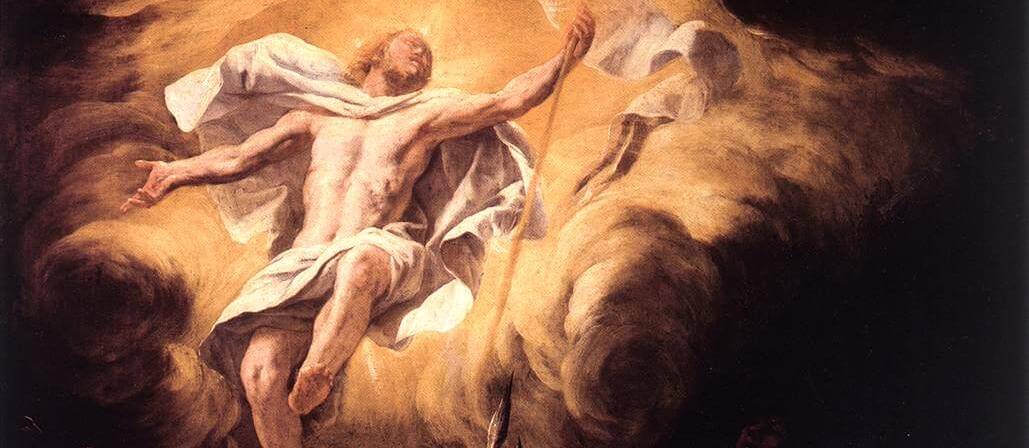
The Resurrection as a historical event
Posted by Luke J. Wilson on 29th April 2017 in Easter | resurrection,easter,apologetics,history,historical
Table of Contents
Jesus was raised bodily – and historically
The resurrection is what makes Christianity unique!
Evidence from Paul
The mystery of the resurrection
The nature of the resurrection
The resurrection is more than physical
What with Easter still ringing in our ears, I thought it would be a good time to revisit the topic of resurrection, but from a historical standpoint and why we can trust it as a real, world-changing event. So, what really is the resurrection? How will we be resurrected, and what does it mean for us that Jesus rose again? Let’s explore what this means for us as Christians, and see what the Scriptures say.
Jesus wa...
Lent: Day 9 - Ignatius to the Philadelphians
Posted by Luke J. Wilson on 10th March 2017 in Lent | Lent,great lent,fasting,early church fathers,devotional,daily reading,Ignatius,Ignatius of Antioch: Letter to the Philadelphians,Law,Judaizers,judaism
Day Nine: St. Ignatius of Antioch: Letter to the Philadelphians (full text)
Who: Ignatius converted at a young age and later became Bishop of Antioch. A friend of Polycarp and fellow disciple of John, there is a long standing tradition that Ignatius was the child that Jesus held in his arms and blessed in Mark 10:13-16
What: As usual, a general call to remain in unity and heed their bishop. Also to avoid listening to Judaizers who would have them follow the Law.
Why: Ignatius wrote a series of letters to the churches in Asia Minor whilst en route to Rome to face martyrdom by wild beasts in the Colosseum around 108 AD.
When: Around 107-108 AD
As with the re...
Lent Day 37: Leo the Great: Letter XXVIII (called the "Tome")
Posted by Luke J. Wilson on 12th April 2017 in Lent | Lent,great lent,fasting,early church fathers,devotional,daily reading,Doctor of the Church,lectures,Tome,Leo the Great,St Leo,hypostatic union,deity of christ,heresy,Pope Leo I
...al of the Holy Spirit and the Virgin Mary.
Leo goes through many instances in the New Testament, from the Gospels to Paul's letters, to Old Testament prophecies, to really point out that Jesus was the Word made flesh – and truly flesh, not some deception.
If Eutyches had read all these things closely, “then he would not speak so erroneously as to say that the Word became flesh in such a way that Christ, born of the Virgin's womb, had the form of man, but had not the reality of His mother's body”, which sounds a lot like Docetism, the heresy which was around much more a couple of centuries earlier.
Instead, and in contrast to this, the commonly accepte...
Melchizedek to Jesus: The Divine Thread of Bread and Wine
Posted by Luke J. Wilson on 27th June 2024 in Eucharist | eucharist,Melchizedek,bread of life
...with the Holy Spirit!
Further Reading
How was Jesus a sacrifice? | The Sacred Faith: Timeless Truths for Modern Minds
What is the significance of the four cups of wine? — Chabad.org
Docetism | Theopedia
Ignatius of Antioch: Letter to the Smyrnaeans | Patristics.info
Ignatius of Antioch: Letter to the Ephesians | Patristics.info
Justin Martyr: First Apology | Patristics.info
Early Church Fathers Upholding Transubstantiation in Their Own Words — Ascension Press Media
Early Church Fathers on the Real Presence in the Eucharist | Bread. (breadtobody.com)
The Real Presence — Church Fathers
Fathers of the Church on the Eucharist (t...
Lent Day 18: Cyprian: On the Unity of the Church: 1-9
Posted by Luke J. Wilson on 21st March 2017 in Lent | Lent,great lent,fasting,early church fathers,devotional,daily reading,Cyprian,Bishop of Carthage,unity
...nd of the Holy Spirit, ‘And these three are one’”.
Using these verses, he argues that if this unity is “divine strength and coheres in celestial sacraments” can the Church then be separated by opposition? “He who does not hold this unity does not hold God's law, does not hold the faith of the Father and the Son, does not hold life and salvation.”
Who, then, is so wicked and faithless, who is so insane with the madness of discord, that either he should believe that the unity of God can be divided, or should dare to rend it--the garment of the Lord-- the Church of Christ?
This argument about the garment comes from the robe which Jesus wore at...
Powered by WebBoss.io 3.7.1
Copyright © 2026 The Sacred Faith: Timeless Truths for Modern Minds. All Rights Reserved.
