
Blog Search Results


144 results for bread of life
found
within the Blog
6 displayed out of 144 (0.45seconds)Page 9 of 24
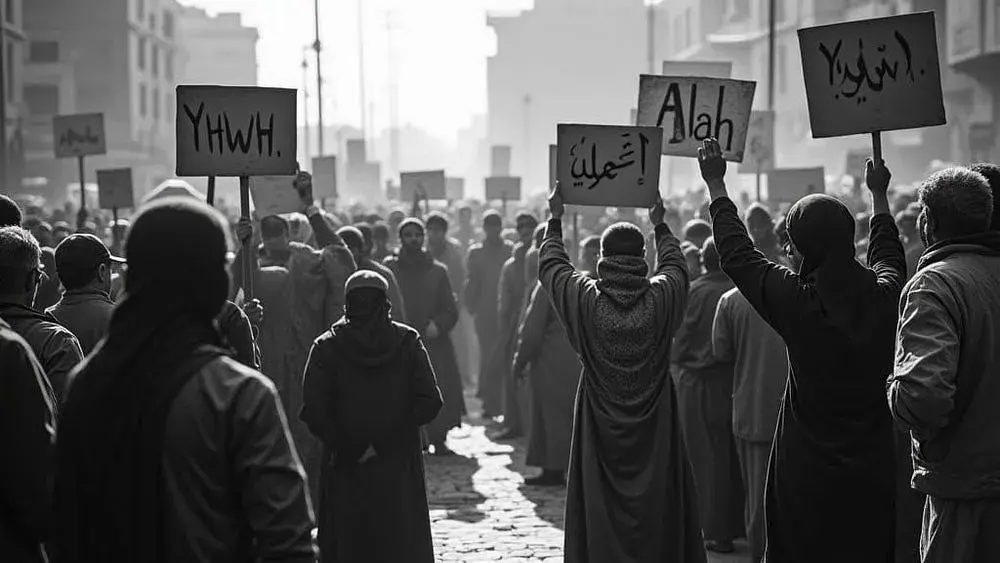
Do Christians And Muslims Really Worship The Same God?
Posted by Luke J. Wilson on 8th July 2025 in Islam | islam,islam vs christianity,christianity,Quran,Bible
“We all worship the same God”.
Table of Contents
1) Where YHWH and Allah Appear Similar
2) Where Allah’s Character Contradicts YHWH’s Goodness
3) Where Their Revelations Directly Contradict Each Other
4) YHWH’s Love for the Nations vs. Allah’s Commands to Subjugate
5) Can God Be Seen? What the Bible and Qur’an Say
6) Salvation by Grace vs. Salvation by Works
Conclusion: Same God? Or Different Revelations?
You’ve heard it from politicians, celebrities, and even some pastors. It’s become something of a modern mantra, trying to shoehorn acceptance of other beliefs and blend all religions into one, especially the Abrahamic o...
Before The Pumpkins: The Day Two Women Defied Rome
Posted by Luke J. Wilson on 29th October 2025 in Halloween | halloween,martyrdom,Perpetua,Felicity
In the last post, we looked at Polycarp — a faithful bishop who faced the flames rather than deny his Lord. His courage in the face of certain death became a rallying light for generations of believers after him. But his story is only one among many in the long line of the cloud of witnesses who ran the race before us (Hebrews 12:1). Today, we step forward a few decades to another account of extraordinary faith — that of two women, Perpetua and Felicity.
Perpetua left an account of her own martyrdom (technically a Passion) which is considered historically reliable. What makes it extraordinary is that Perpetua herself wrote a portion of it in Latin b...
Lent: Day 8 - Ignatius to the Romans
Posted by Luke J. Wilson on 9th March 2017 in Lent | Lent,great lent,fasting,early church fathers,devotional,daily reading,Ignatius,Ignatius of Antioch: Letter to the Romans,martyrdom
Day Eight: St. Ignatius of Antioch: Letter to the Romans (full text)
Who: Ignatius converted at a young age and later became Bishop of Antioch. A friend of Polycarp and fellow disciple of John, there is a long standing tradition that Ignatius was the child that Jesus held in his arms and blessed in Mark 10:13-16
What: A challenging letter in which Ignatius pours himself out to the Roman church about his impending martyrdom.
Why: Ignatius wrote a series of letters to the churches in Asia Minor whilst en route to Rome to face martyrdom by wild beasts in the Colosseum around 108 AD.
When: Around 107-108 AD
On reading the introduction to this letter my first th...
Fasting: A spiritual and physical discipline
Posted by Luke J. Wilson on 27th May 2019 in Fasting | fasting,didache,discipline,self control,Lent,early church,early church fathers
The topic of fasting often comes up in online discussion groups that I'm a part of, more often in Protestant circles where the practice is more often sidelined in low churches. So let's take a look at the practice of fasting from a practical and historical view, as it seems to be a spiritual discipline which has been pushed aside in many churches today, with prayer, worship and bible reading taking more precedence in a Christian's life instead (not that those are bad things to do!).
Why fast?
There are many reasons to fast, and recent studies have shown a lot of health benefits that can be derived from fasting. But on the spiritual side of life, there are also...
Slavery in the Bible – Does God Condone Slavery?
Posted by Joshua Spaulding on 15th September 2020 in Slavery | slavery,bond-servant,Philemon
This is a guest post by Joshua Spaulding from eternalanswers.org. The views are that of the author and don't necessarily reflect the views of That Ancient Faith.
As you read through the Scriptures, you will come across some passages that seem to suggest that slavery is not condemned by God. Some who think this to be the case are sincerely seeking truth, while others are only looking for reasons to discount the Bible.
Some of the passages in question are Exodus 21:2-6, Deuteronomy 15:12-15, Ephesians 6:5 and Colossians 4:1 which provide instruction on the treatment of slaves.
In light of these Scriptures, does God condone slavery?
Before diving too deep...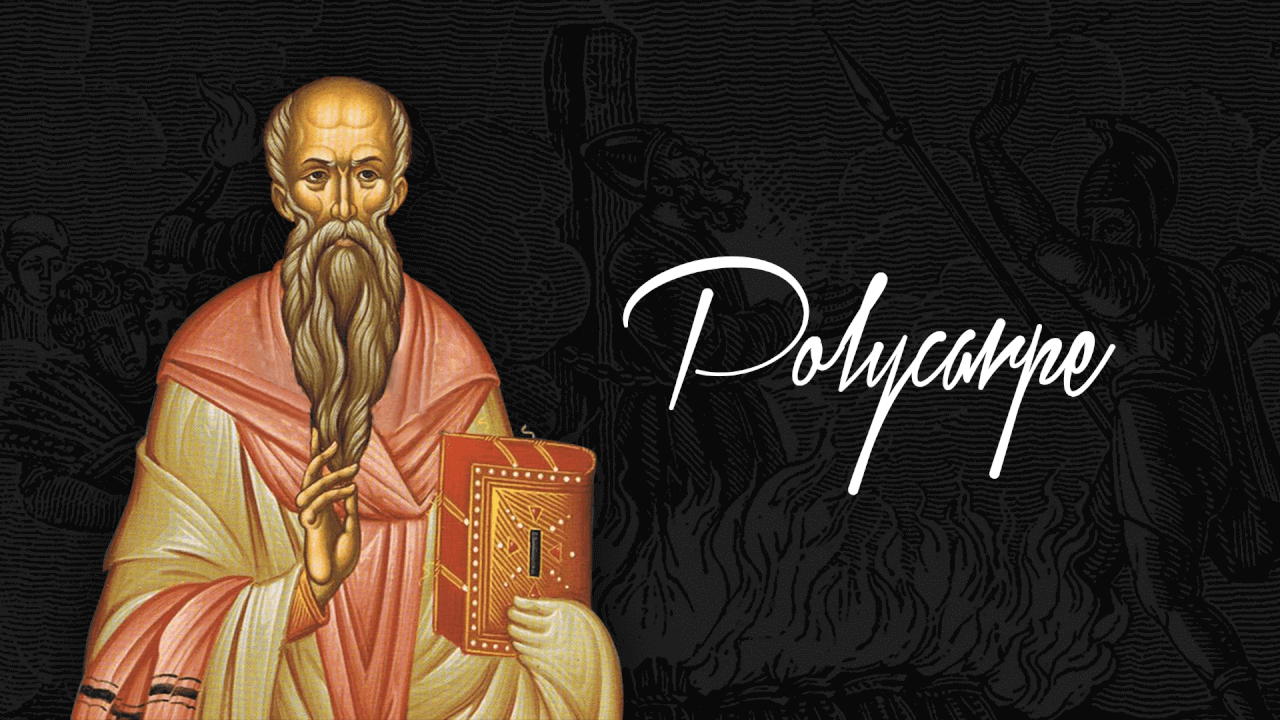
How Polycarp (And Others) Show The Early Use of The New Testament
Posted by Luke J. Wilson on 21st November 2021 in Early Church | early church,early church fathers,polycarp,new testament,canon,biblical canon
Polycarp is one of the most important people in early church history. He was a disciple of John the Evangelist, and later became the bishop of Smyrna.
Polycarp was born around 69 A.D. in Smyrna, which is now modern-day Turkey. He grew up during a time when Christians were being persecuted for their beliefs, and he himself became a Christian at a young age. Polycarp is regarded as one of the earliest church fathers because he had a significant impact on Christianity as it spread throughout Asia Minor and Europe, and he also played an important role in shaping biblical canon for centuries to come.
We don’t know a great deal about his life, apart from t...
Powered by WebBoss.io 3.7.1
Copyright © 2026 The Sacred Faith: Timeless Truths for Modern Minds. All Rights Reserved.
