
Blog Search Results


134 results for lord's prayer
found
within the Blog
6 displayed out of 134 (0.46seconds)Page 9 of 23

Lent Day 27: Athanasius: Life of Anthony: Chaps. 61-70
Posted by Luke J. Wilson on 31st March 2017 in Lent | Lent,great lent,fasting,early church fathers,devotional,daily reading,Athanasius,Bishop of Alexandria,Confessor,Doctor of the Church,Anthony the Great,demons,healing,miracles,heresy,heretics,Arianism,deity of Christ
Day Twenty-seven: St. Athanasius: Life of Anthony: Chaps. 61-70
Who: Bishop of Alexandria; Confessor and Doctor of the Church; born c. 296; died 2 May, 373 AD. He was the main defender of orthodoxy in the 4th-century battle against the Arianism heresy. Certain writers received the title “Doctor” on account of the great advantage their doctrine had on the whole Church, Athanasius especially for his doctrine on the incarnation.
What: The biography of Anthony the Great’s life, which helped to spread the concept of Christian monasticism, particularly in Western Europe.
Why: From the letter’s own prologue: “The life and conversation of our holy Father...
Lent Day 18: Cyprian: On the Unity of the Church: 1-9
Posted by Luke J. Wilson on 21st March 2017 in Lent | Lent,great lent,fasting,early church fathers,devotional,daily reading,Cyprian,Bishop of Carthage,unity
Day Eighteen: St. Cyprian: On the Unity of the Church: 1-9
Who: Third century bishop of Carthage (in modern Tunisia), and martyr from Africa
What: A letter to encourage the unity of the church against schisms and heresy during massive Roman persecution
Why: A disturbance had happened in the church because of a priest called Novatian — a schismatic of the third century, and founder of the sect of the Novatians. Cyprian wrote to counter this and argues that there can only be one united Church, and the Novatian breakaway was a false church and that Novatian was an antipope.When: Around 249 AD
You can find today’s reading on page 92 here: lentfatherscomplete...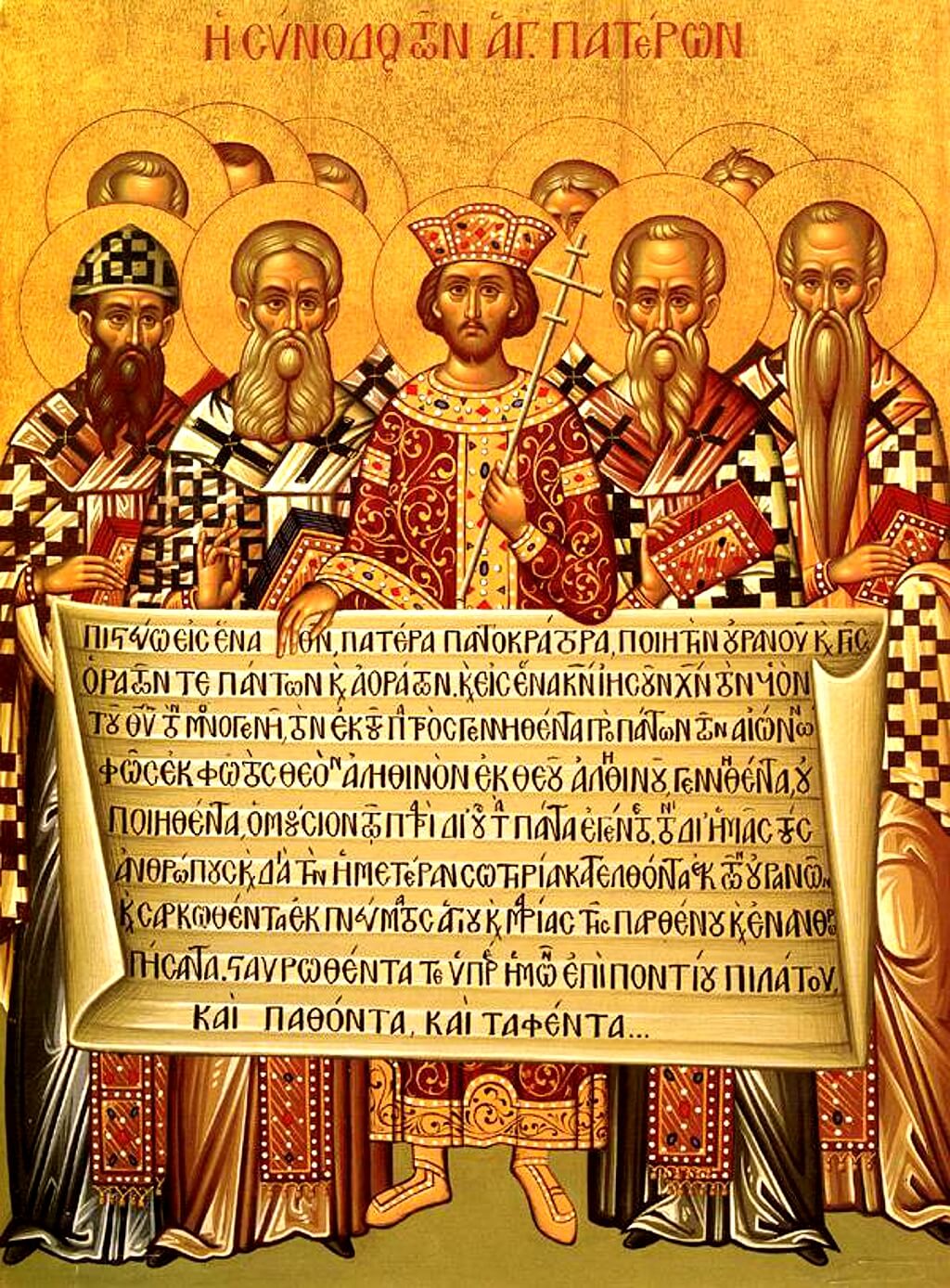
Creedal Christians: The Nicene Creed
Posted by Luke J. Wilson on 2nd June 2019 in Early Church | nicene creed,nicea council,creeds,creedal christians,creedal
The Nicene Creed — what is it and why is it called that?
This creed gets its name from a time and place: the first ecumenical Church council held at Nicaea, which is now known as İznik in northwestern Turkey, in 325 AD.
Now that may raise another question for you: what is an ecumenical council? Well, to explain more about the Nicene Creed, we are going to have to take a look at The First Council of Nicaea in order to better understand why this creed was written.
First things first though; an “ecumenical council” is ideally a Church-wide meeting where all the Bishops from all across the Church come together to hold a very large and very important meetin...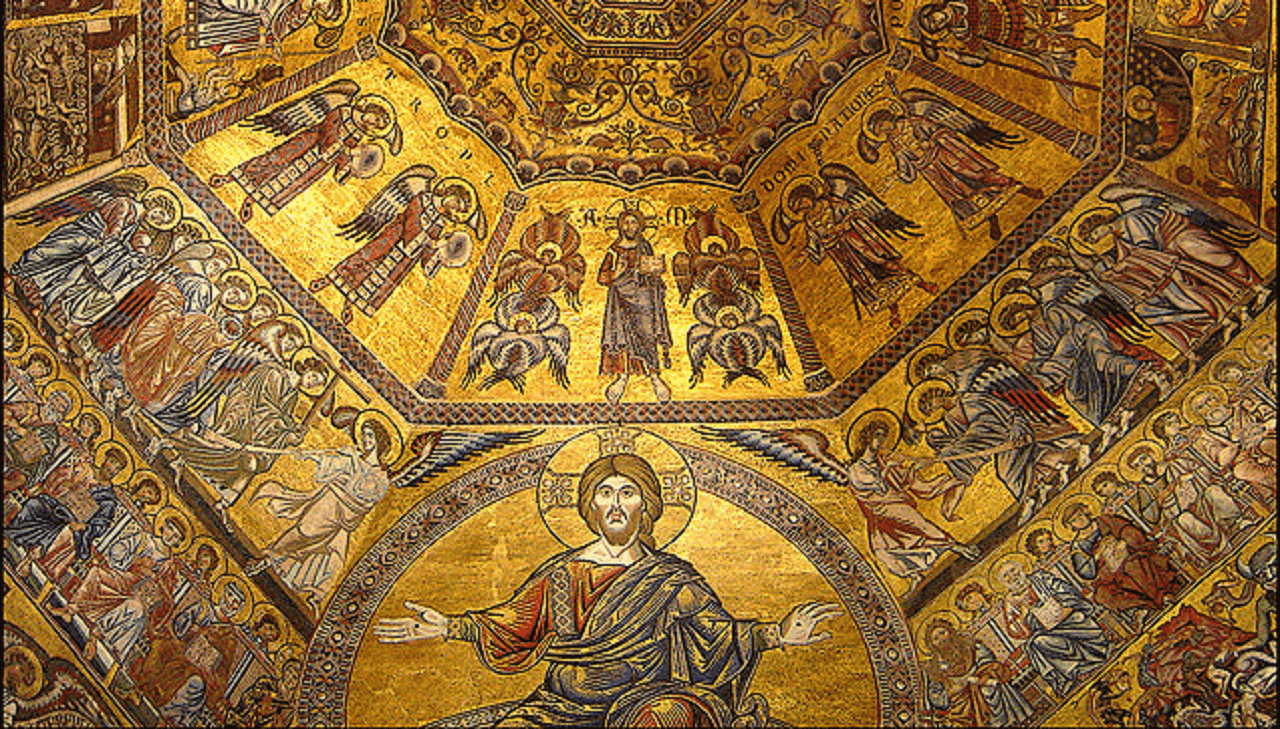
What are the Seraphim, and was the devil one of them?
Posted by Luke J. Wilson on 23rd April 2020 in Angels | devil,satan,angels,seraphim,heaven
Have you ever wondered about what the devil is — or was, pre-Fall? You’ve probably been told that he used to be an angel with God, so then why is he often described as a snake, serpent or dragon?
Though there isn’t a great deal given away in Scripture as to the nature of angels, or the heavenly realms in general, we get some glimpses from the visions of the prophets. But what we can also look at is the words which the Bible uses; some of which aren’t translated and so lose their original meaning in English.
The Seraphim
The word “seraphim” is a transliteration of a Hebrew word, rather than a translation, so in English we often will miss the me...
The Coming of Jesus: Our Future Hope - What Now?
Posted by Luke J. Wilson on 22nd January 2016 in Second Coming Series | second coming,70 weeks,70ad,what now?,what next,preterism,fulfilled prophecy,eighth day
So here we are at the final part of this Coming of Jesus series. If you’re new here, you can start from the beginning by clicking here, or carry on reading as I will give a brief overview of what’s been covered so far.
This series has covered many topics and themes of eschatology, starting with Daniel’s prophecy of the Messiah’s first coming to this world, all the way through to the prophecies of another coming. It’s been a very interesting and eye-opening journey of discovery, at least for myself, if no one else. I didn’t start this study with a particular doctrine or conclusion in mind, but rather went in with the minds...
Is The Rapture Biblical?
Posted by Luke J. Wilson on 21st September 2020 in Eschatology | rapture,the rapture in the bible,scriptures on the rapture,N.T. Wright,john chrysostom,church fathers,church history,signs of the rapture,Coming of Christ
Most people have some idea about what the rapture is – or do they? Generally there is an idea or concept of a form of escapism from the world when Jesus returns, which happens pre, mid or post tribulation and in some connection to the millenium. Now, if you understood any of those terms, you are most likely on, or aware of, the Dispensationalism side of things.
There’s a lot of doctrine all bundled together in “end times” beliefs, and a fair bit of speculation around “the rapture” with its timing and logistics etc. which makes the whole thing a but murky, but nonetheless, it’s pretty much taken for granted as a staple belief within the Evangelical...
Powered by WebBoss.io 3.7.1
Copyright © 2026 The Sacred Faith: Timeless Truths for Modern Minds. All Rights Reserved.
