Blog Search Results


192 results for new life
found
within the Blog
6 displayed out of 192 (0.19seconds)Page 9 of 32

Lent Day 30: Cyril of Jerusalem: Catechetical Lectures: Lecture XIX
Posted by Luke J. Wilson on 4th April 2017 in Lent | Lent,great lent,fasting,early church fathers,devotional,daily reading,Doctor of the Church,lectures,liturgy,catechism,Bishop of Jerusalem
Day Thirty: St. Cyril of Jerusalem: Catechetical Lectures: Lecture XIX
Who: Bishop of Jerusalem and Doctor of the Church, born about 315; died probably 18 March, 386. Little is known of his life, except from his younger contemporaries, Epiphanius, Jerome, and Rufinus, as well as from the fifth-century historians, Socrates, Sozomen and Theodoret.
What: Each of the lectures deal with a different topic to teach converts the mysteries of the Church, particularly: rites of the renunciation of Satan and his works, of anointing with oil, of baptism, of anointing with the holy chrism, and of partaking of the body and blood of Christ.
Why: Cyril delivered to new conve...
Creedal Christians: The Apostle's Creed
Posted by Luke J. Wilson on 11th October 2018 in Early Church | creedal christians,creeds,creedal,apostles,apostolic creed,apostolic tradition,rule of faith,early church fathers,early church
The Apostle's creed — what is it and why is it called that?
Outside of the new Testament, this is one of the oldest creeds we have, dating back to the sixth – eighth century in its current form that is commonly known today, but having its origins much earlier — as far back as the second century in a shorter form known simply as the “Old Roman Creed”.
The Apostles creed is also sometimes referred to as the “Rule of Faith” as it is a summary of the Gospel and is the basis for pretty much all modern theology. The points of the creed cover all the major pillars of the Christian faith which aims to safeguard what is true orthodoxy (right belief), whic...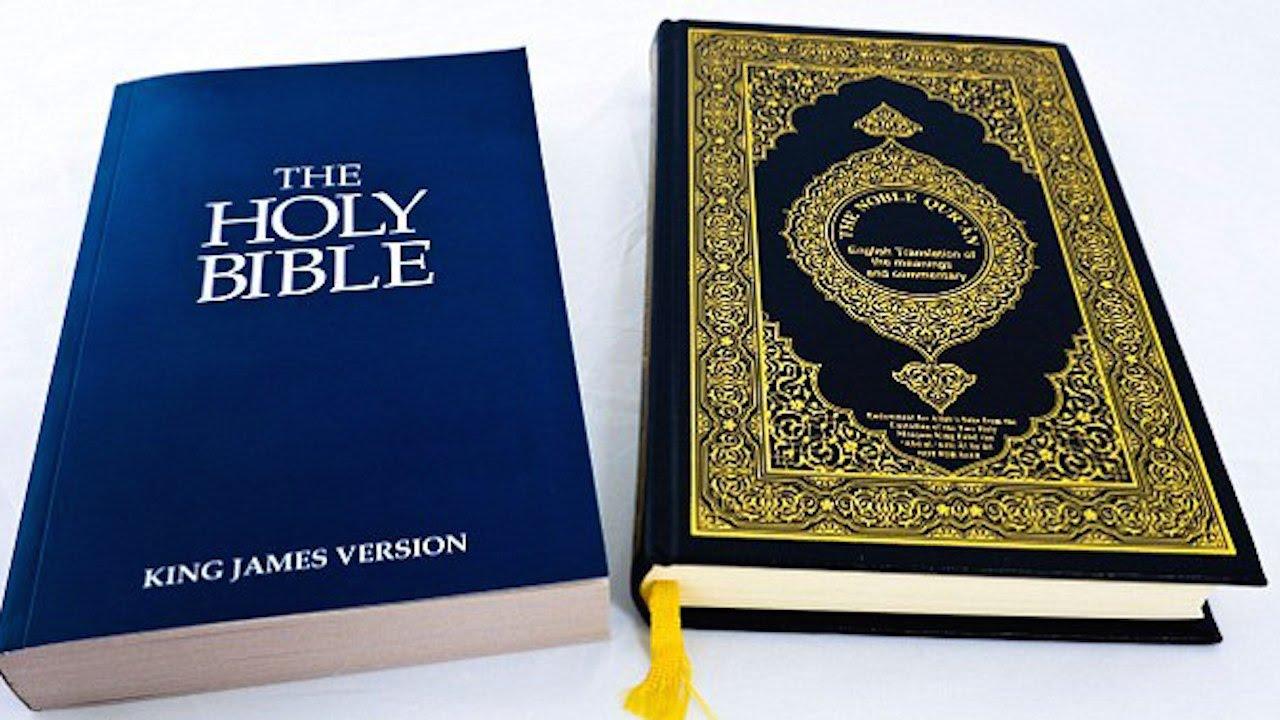
26 Differences Between Muhammad and Jesus
Posted by Luke J. Wilson on 17th October 2022 in Islam | Islam,Christianity,Jesus vs Muhammad,Islam vs Christianity,John of Damascus,church fathers,church history,religion
If you’ve ever spent any time online, either in random Facebook comment threads or reading the news, I’m sure you’ve come across the claim that Islam and Christianity are basically the same and that “we all worship the same God”, getting lumped together as an “Abrahamic religion” along with Judaism.
Muslims claim Islam “is the completed final version of the previous messages originally revealed to Moses and Jesus” which came to “correct the deviations of Christianity”, which had apparently become corrupt by the seventh century when Muhammad came along.
But for something which is meant to come from the same God at its core, it would sugges...
The Deity of Christ in the Gospel of Matthew - Part 2
Posted by KingsServant on 1st February 2023 in Apologetics |
Matthew's theme - The divine presence of Jesus
This is a guest post by “KingsServant”, see Part 1 here.
Having covered Matthew’s introduction to his gospel in his nativity account, we will now consider the way Matthew “bookends” the gospel by beginning his work with the promise of God dwelling with his people (fulfilled in the incarnation) and ending it in the same way with Jesus’ comforting promise never to leave his followers.
This theme of Matthew begins with his quotation of Isaiah 7:14, which we have already analysed in the previous article with regard to how it reveals Matthew’s teaching that Jesus is God.
As noted before, in Matthew...
Jesus, Mithras and Ancient Roman Cults: Separating Fact from Fiction
Posted by Luke J. Wilson on 25th April 2023 in Mythology | Jesus,mithras,apologetics,roman gods,atheist
Welcome to the next instalment of my series looking at the ancient mythological gods and how they compare to the life, death and resurrection of Jesus. Mithras is yet another popular ancient god that people like to compare with Jesus and make wild claims about, proposing that they are the same deities with different names. But is this even remotely true?
This article has ended up being a bit longer than anticipated as it’s one of the few ancient religions that was contemporary to the birth of Christianity which was seen as somewhat of a rival belief system, so there’s a lot of interesting things to cover!
The Origins
Mithras has his roots in ancient Persi...
Lent: Day 4 - Polycarp to the Philippians
Posted by Luke J. Wilson on 4th March 2017 in Lent | Lent,great lent,fasting,early church fathers,devotional,daily reading,episle of Polycarp to the Philippians
Day Four: Epistle of Polycarp to the Philippians (full text)
Who: Polycarp of Smyrna, who was a direct disciple of the apostle John. We also have some information about Polycarp via Irenaeus (who knew Polycarp) in his book, Adv. Haer., III.3.4: “But Polycarp also was not only instructed by apostles, and conversed with many who had seen Christ, but was also, by apostles in Asia, appointed bishop of the Church in Smyrna”.
What: Lots of exhortations are contained in this letter, and is also referenced by Irenaeus as being for “those who wish to do so, and are anxious about their salvation, can learn the character of his (Polycarp's) faith, and the preachin...
Powered by WebBoss.io 3.7.1
Copyright © 2026 The Sacred Faith: Timeless Truths for Modern Minds. All Rights Reserved.