
Blog Search Results


Did you mean:
organism
?
17 results for Arianism
found
within the Blog
6 displayed out of 17 (0.42seconds)Page 1 of 3

Lent Day 27: Athanasius: Life of Anthony: Chaps. 61-70
Posted by Luke J. Wilson on 31st March 2017 in Lent | Lent,great lent,fasting,early church fathers,devotional,daily reading,Athanasius,Bishop of Alexandria,Confessor,Doctor of the Church,Anthony the Great,demons,healing,miracles,heresy,heretics,Arianism,deity of Christ
Day Twenty-seven: St. Athanasius: Life of Anthony: Chaps. 61-70
Who: Bishop of Alexandria; Confessor and Doctor of the Church; born c. 296; died 2 May, 373 AD. He was the main defender of orthodoxy in the 4th-century battle against the Arianism heresy. Certain writers received the title “Doctor” on account of the great advantage their doctrine had on the whole Church, Athanasius especially for his doctrine on the incarnation.
What: The biography of Anthony the Great’s life, which helped to spread the concept of Christian monasticism, particularly in Western Europe.
Why: From the letter’s own prologue: “The life and conversation of our holy Father...
Lent Day 29: Athanasius: Life of Anthony: Chaps. 81-94
Posted by Luke J. Wilson on 3rd April 2017 in Lent | Lent,great lent,fasting,early church fathers,devotional,daily reading,Athanasius,Bishop of Alexandria,Confessor,Doctor of the Church,Anthony the Great,miracles,death,persecution,Arianism
Day Twenty-nine: St. Athanasius: Life of Anthony: Chaps. 81-94
Who: Bishop of Alexandria; Confessor and Doctor of the Church; born c. 296; died 2 May, 373 AD. He was the main defender of orthodoxy in the 4th-century battle against the Arianism heresy. Certain writers received the title “Doctor” on account of the great advantage their doctrine had on the whole Church, Athanasius especially for his doctrine on the incarnation.
What: The biography of Anthony the Great’s life, which helped to spread the concept of Christian monasticism, particularly in Western Europe.
Why: From the letter’s own prologue: “The life and conversation of our holy Father,...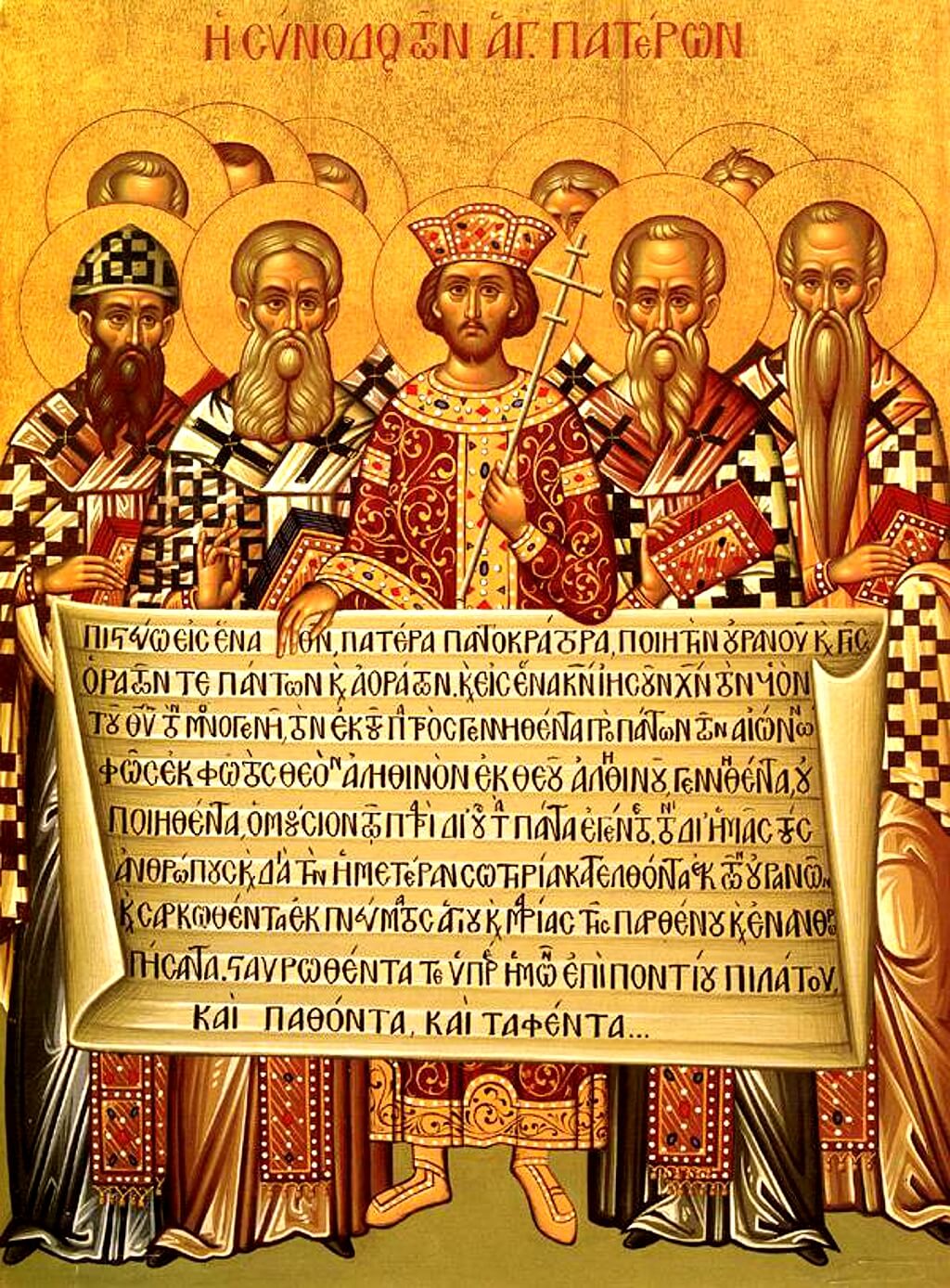
Creedal Christians: The Nicene Creed
Posted by Luke J. Wilson on 2nd June 2019 in Early Church | nicene creed,nicea council,creeds,creedal christians,creedal
...istles on Arianism and the Deposition of Arius
These quotes pretty much lay the groundwork for why the creed and council was necessary and what it aimed to achieve: an outline of proper orthodoxy which laid down the correct and Scriptural view concerning the nature of Christ’s divine nature and relation to the Trinity. By making this the official set of beliefs, this was hoped to quash the Arianism which was spreading and unite the churches together in a holy unity (John 17:20-23). And for much of history, this creed has served that purpose in acting as the “gatekeeper” of orthodoxy, pointing people towards the proper understanding of God and the Christ...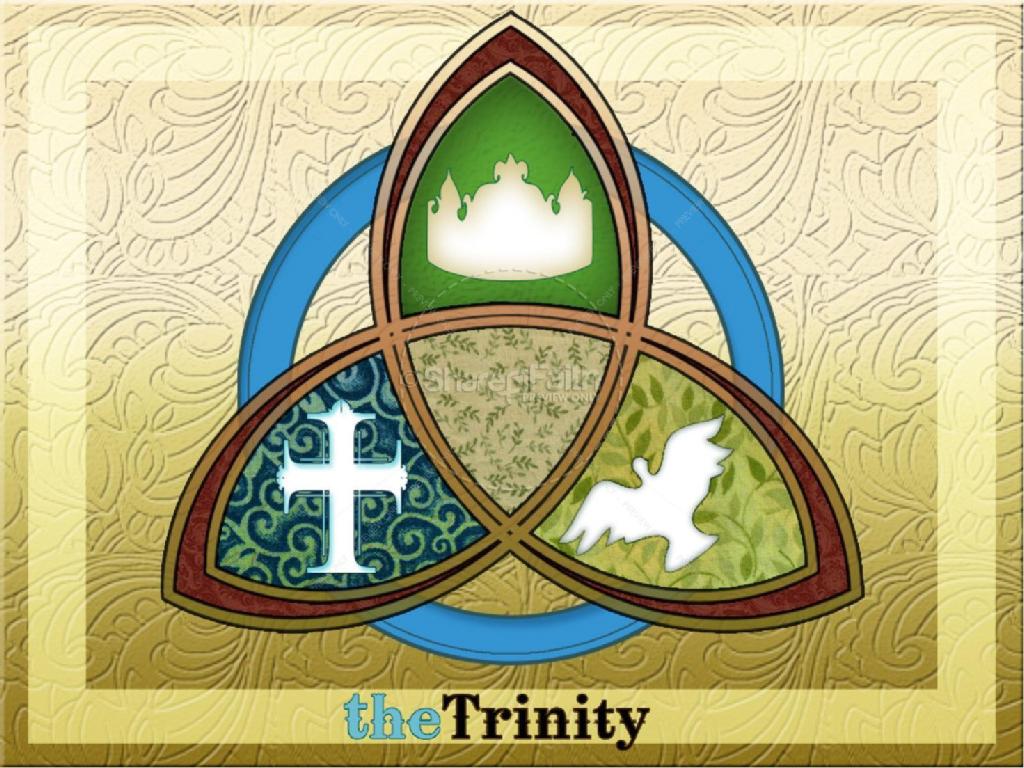
The Battle for the Trinity: Historical Heresies and Church Defences
Posted by Luke J. Wilson on 1st July 2024 in Trinity | trinity,heresy,heretics,theology,creeds
...Heresies
Arianism
What It Taught: Arius, a priest in the early 4th century, claimed that Jesus Christ was not of the same substance as the Father. He taught that the Son was a created being, distinct and subordinate to the Father.
Church’s Response: The Council of Nicaea in 325 AD condemned Arianism, affirming that the Son is “of the same substance” (homoousios) as the Father. This is reflected in the Nicene Creed: “We believe in one Lord Jesus Christ, the only Son of God… of one Being with the Father.”
Patristic Quote: Athanasius, a staunch defender against Arianism, wrote, “For the Son of God became man so that we might become God” (On th...
God from God: The Eternal Son in the Crib
Posted by Luke J. Wilson on 13th December 2025 in Christmas | advent,incarnation,xmas,christmas
...n of God (Arianism), nor is the Son of God simply a mode or action of God (Sabellianism).
This is the heart of Christian theology: begotten = shared nature created = different nature
Begotten Means “of the Same Essence”
When the Father begets the Son, He is not constructing or manufacturing Him. Begetting is not an act inside time. It is an eternal relationship.
Just as:
light is never without radiance
a fire is never without heat
the Father is never without the Son
There was never a moment “before” the Son existed. The Son is eternally from the Father, sharing His nature, His essence, His Godness. As John says in the opening of hi...
Lent Day 21: Athanasius: Life of Anthony: Chaps. 1-10
Posted by Luke J. Wilson on 24th March 2017 in Lent | Lent,great lent,fasting,early church fathers,devotional,daily reading,Athanasius,Bishop of Alexandria,Confessor,Doctor of the Church,Anthony the Great
...Day Twenty-one: St. Athanasius: Life of Anthony: Chaps. 1-10
Who: Bishop of Alexandria; Confessor and Doctor of the Church; born c. 296; died 2 May, 373 AD. He was the main defender of orthodoxy in the 4th-century battle against the Arianism heresy. Certain writers received the title “Doctor” on account of the great advantage their doctrine had on the whole Church, Athanasius especially for his doctrine on the incarnation.
What: The biography of Anthony the Great’s life, which helped to spread the concept of Christian monasticism, particularly in Western Europe.
Why: From the letter’s own prologue: “The life and conversation of our holy Father, A...
Powered by WebBoss.io 3.7.1
Copyright © 2026 The Sacred Faith: Timeless Truths for Modern Minds. All Rights Reserved.
