Blog Search Results


30 results for author
found
within the Blog
6 displayed out of 30 (0.03seconds)Page 1 of 5

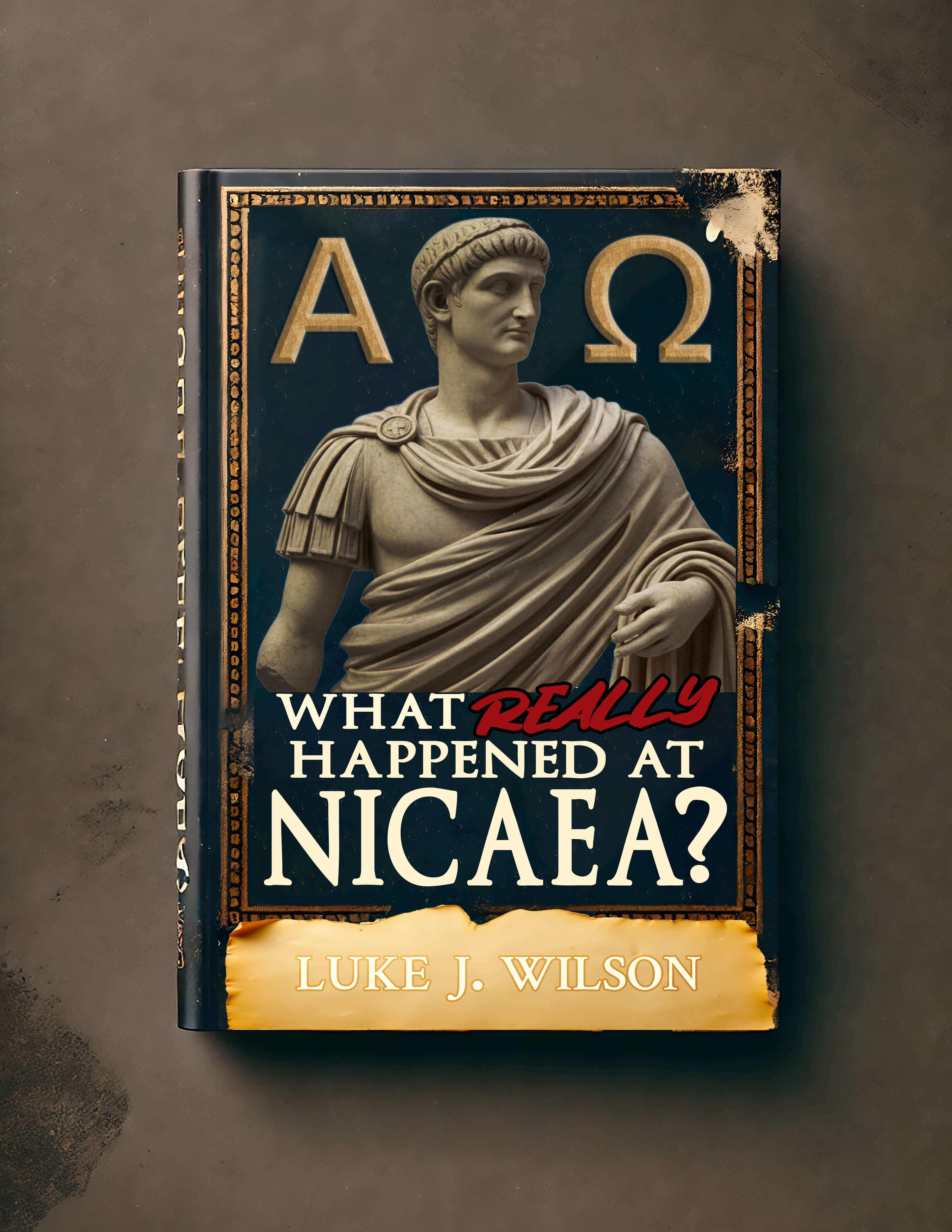
Lent: Day 3 - Mathetes to Diognetus, pt. 2
Posted by Luke J. Wilson on 3rd March 2017 in Lent | Lent,great lent,fasting,early church fathers,devotional,daily reading,epistle of mathetes to diognetus
Day three: Epistle of Mathetes to Diognetus: Chaps. 7-12
Who: Anonymous author, “mathetes” is not a name, but is the Greek word for “a disciple”
What: possibly one of the earliest examples of a Christian apologetic defending the faith from its accusers, written to someone interested in learning more about the faith and its customs
Why: The Christian faith was under attack and ridicule in the early centuries, many things about the Church were misunderstood and so various Christians took to writing apologetic's (defences) to clarify doctrines and beliefs from being maligned.
When: Estimated between AD 130 and late 2nd century
Today's reading is the...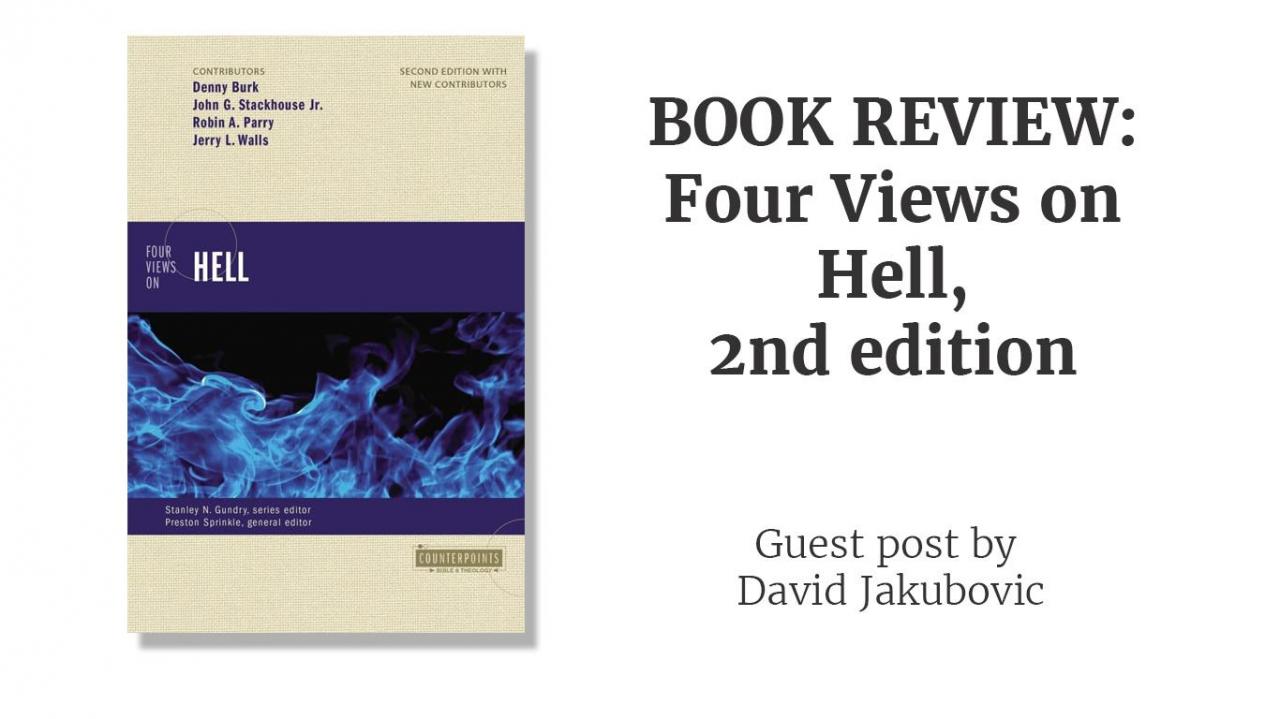
BOOK REVIEW: Four Views on Hell 2nd edition
Posted by David Jakubovic on 17th March 2021 in Book Review |
This is a guest post by David Jakubovic. The views are that of the author and don't necessarily reflect the views of That Ancient Faith.
A 20 year update of the 1996 book by the same name, this slim volume (211 pages) is a helpful cross-section of current evangelical thought on Final Punishment, sampling Denny Burk on Eternal Conscious Torment (ECT hereafter), John Stackhouse Jr on Conditional immortality (CI hereafter), Robin Parry on Christian Universalism (CU hereafter) and Jerry Walls on (a Protestant) Purgatory. Preston Sprinkle pens both Introduction and Conclusion, plus there are Scripture, author and Subject indices.
The Introduction sets the scene,...
The author of Life Knew Death For Our Sake!
Posted by Luke J. Wilson on 25th March 2016 in Easter | Easter,Good Friday,Holy Week,crucifixion,resurrection,reconcilliation
...point its author took was that this in fact symbolised the new birth we have now in Christ! Baptism by water was only secondary to this emphasis.
I'd never thought of it this way before but it struck a chord with me. Through Jesus’ death and resurrection we have a new birth and are born again, just as we are born naturally into this world in blood and water, we can now be born again through Jesus who bled blood and water for us in his death.
But the similarities don't end there. Baptism obviously follows on from this, as does the other sacrament of the Eucharist. The sacraments themselves are all centred around blood and water which point back to the cross...
Slavery in the Bible – Does God Condone Slavery?
Posted by Joshua Spaulding on 15th September 2020 in Slavery | slavery,bond-servant,Philemon
...This is a guest post by Joshua Spaulding from eternalanswers.org. The views are that of the author and don't necessarily reflect the views of That Ancient Faith.
As you read through the Scriptures, you will come across some passages that seem to suggest that slavery is not condemned by God. Some who think this to be the case are sincerely seeking truth, while others are only looking for reasons to discount the Bible.
Some of the passages in question are Exodus 21:2-6, Deuteronomy 15:12-15, Ephesians 6:5 and Colossians 4:1 which provide instruction on the treatment of slaves.
In light of these Scriptures, does God condone slavery?
Before diving too deep...
The Relationship Between Jesus and Sophia
Posted by Luke J. Wilson on 22nd July 2021 in Christology | wisdom,Sophia,feminism,women,christology,early church,early church fathers
...a single author, and book, called, She Who Is, by Elizabeth A. Johnson, where this idea seemed to have originated in some form. In fact, the majority of the comments were wanting to explore this idea in more depth. So, I think maybe there’s something to be said there for the lack of female representation in the Church if it garnered this type of response, but I also thought if people are this taken by the idea, I wanted to write something to offer some Biblical and historical views on this “Sophia”, as she isn’t a new concept at all. The caption under the Instagram post sounds nice, but it’s ever so slightly off-kilter that it misrepresents everything...
Man-Made Tradition vs Apostolic Tradition
Posted by Luke J. Wilson on 28th February 2016 in Early Church | early church,early church fathers,tradition,creeds,nicene creed,apostolic creed,man made tradition,apostolic tradition
...egitimate author if the date of the letter actually matches the lifespan of the claimed author. Not only that, other historical sources will validate certain people – such as Irenaeus validating Polycarp (and many others) when he makes a list of Bishops in the churches, all whom link back to the apostles. Then we have the vast resources of early Christian writers who took it on themselves to preserve and verify older texts to show which ones were truly written by an Apostle or by “apostolic men” as Tertullian calls them (Prescription against Heretics, ch. 32), meaning the companions of the apostles, like Luke and Mark or Clement (Phil 4:3).
Other than Pol...
Powered by WebBoss.io 3.7.1
Copyright © 2026 The Sacred Faith: Timeless Truths for Modern Minds. All Rights Reserved.