
Blog Search Results


179 results for kingdom of god
found
within the Blog
6 displayed out of 179 (0.42seconds)Page 10 of 30

The Deity of Christ in the Gospel of Matthew - Part 1
Posted by KingsServant on 22nd December 2022 in Apologetics | islam,islam vs christianity,debate,gospels,apologetics,deity of christ
The titles “Jehovah” and “god” given to Jesus in Matthew 1
This is a guest post by “KingsServant”, see Part 2 here.
In this series of articles, I want to present the case that Matthew teaches Jesus is god, from the arguments I made in 2 moderated debates with a Muslim apologist, Mohammed Abd al Razack, commonly known as Al Yemeni. Although I will be going into far more detail, not having to deal with the tight time controls of a debate format.
The moderated debate on YouTube with me (KingsServant)
Matthew’s teaching of the Trinity and in particular that Jesus is god is by no means limited to the baptismal formula given by Christ after h...
Lent Day 38: Leo the Great: Sermon XXI (On the Nativity Feast I)
Posted by Luke J. Wilson on 13th April 2017 in Lent | Lent,great lent,fasting,early church fathers,devotional,daily reading,Doctor of the Church,lectures,Leo the Great,St Leo,hypostatic union,deity of christ,Pope Leo I,christology,sermon
Day Thirty-eight: St. Leo the Great: Sermon XXI (On the Nativity Feast I)
Who: Leo the Great, also known as Pope St. Leo I (the Great), was Pope from 440-61 AD. Place and date of birth unknown; died 10 November, 461. Leo's pontificate, next to that of St. Gregory I, is the most significant and important in Christian antiquity, as he tried to combat the heresies which seriously threatened church unity even in the West, such as Pelagianism.
What: A sermon on the Nativity at Christmas time, about the incarnation of the Word of god.
Why: To explain the incarnation and preach the Good News of our Lord and Saviour becoming man for our sake so that we may be sav...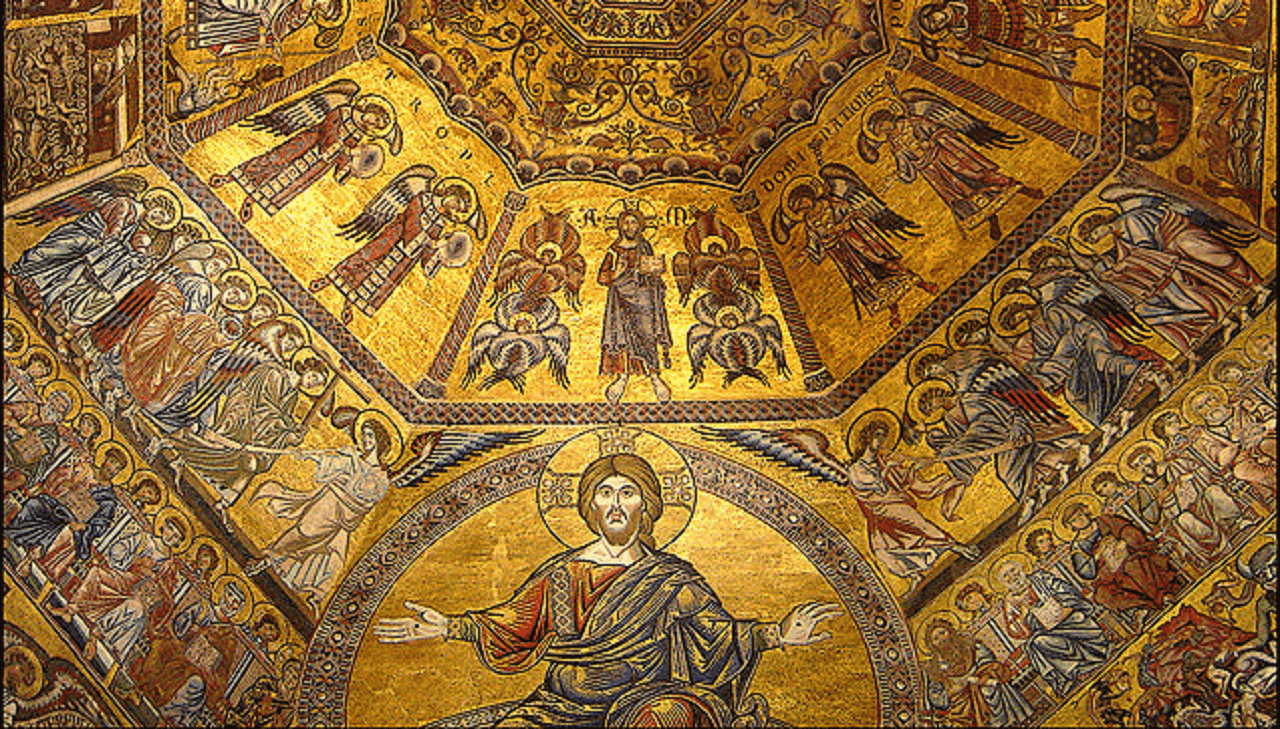
What are the Seraphim, and was the devil one of them?
Posted by Luke J. Wilson on 23rd April 2020 in Angels | devil,satan,angels,seraphim,heaven
Have you ever wondered about what the devil is — or was, pre-Fall? You’ve probably been told that he used to be an angel with god, so then why is he often described as a snake, serpent or dragon?
Though there isn’t a great deal given away in Scripture as to the nature of angels, or the heavenly realms in general, we get some glimpses from the visions of the prophets. But what we can also look at is the words which the Bible uses; some of which aren’t translated and so lose their original meaning in English.
The Seraphim
The word “seraphim” is a transliteration of a Hebrew word, rather than a translation, so in English we often will miss the me...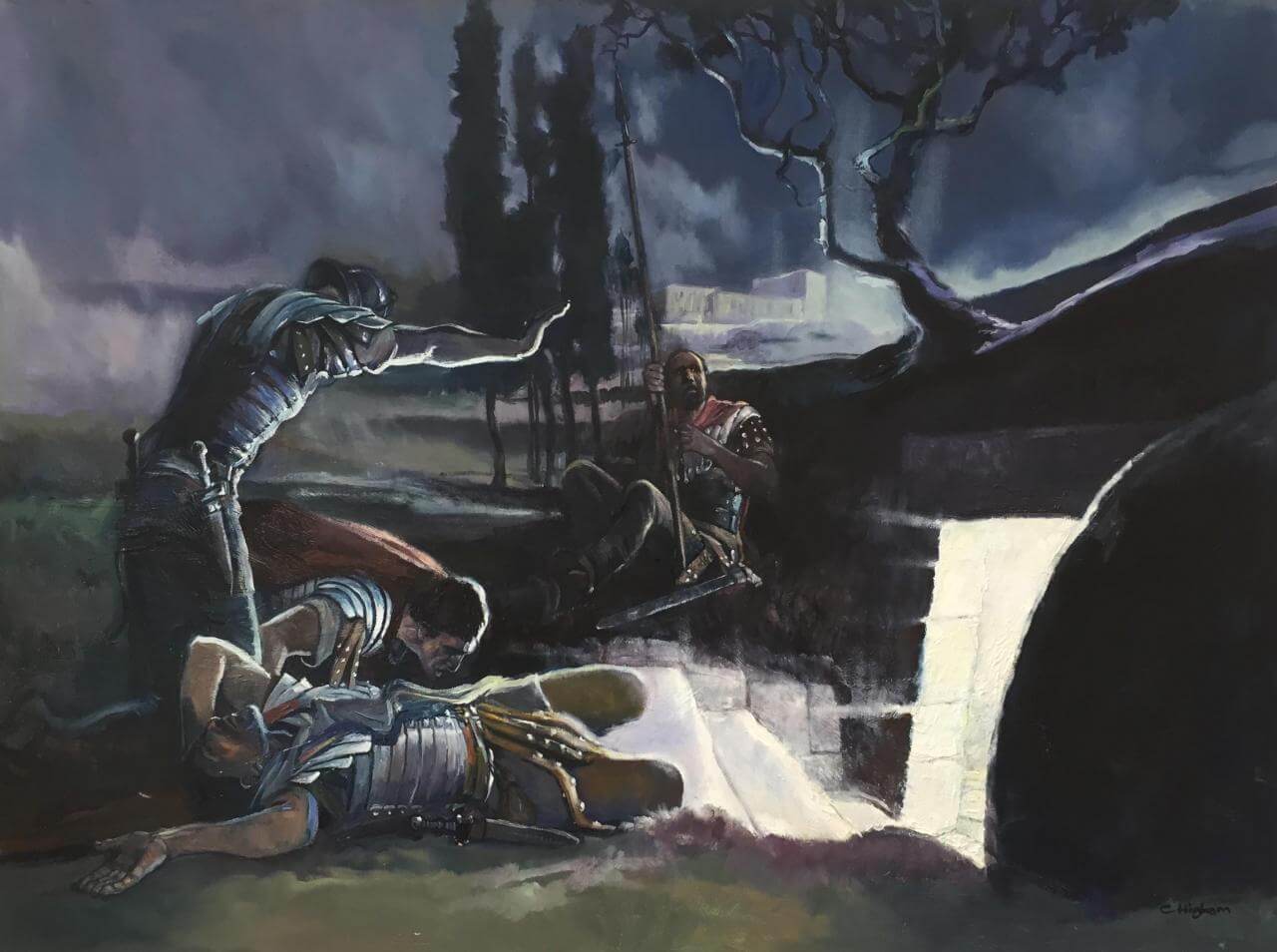
Raised in the Heavenlies!
Posted by Luke J. Wilson on 27th March 2016 in Easter | resurrection,Jesus,new birth,new life,born again,baptism,spiritual resurrection,physical resurrection,glorified bodies,third day,Easter,easter sunday
Easter is upon us once again! Lent is over, Good Friday has passed and now the time for mourning and fasting is complete. It's a time to feast, a time to remember and celebrate the resurrection of Christ as we look forward to our own final resurrection!But what really is the resurrection? How will we be resurrected, and what does it mean for us that Jesus rose again? Let’s explore what this means for us as Christians, and see what the Scriptures say.
The resurrection is spiritual!
That heading may cause some reading this to question me, but do read on – this is actually what the New Testament teaches us (though not only this type of resurrection).
Many ti...
Biblical Inspiration and the Canon: How We Got the Bible
Posted by Luke J. Wilson on 28th February 2025 in Early Church | canon,nicea council,nicene council,myths,church history,church fathers
The Bible is often described as “god-breathed,” a phrase taken from 2 Timothy 3:16: “All scripture is inspired by god and is useful for teaching, for reproof, for correction, and for training in righteousness.” But what does it mean for Scripture to be “inspired,” and how did the books of the Bible come to be recognised as part of the canon — the authoritative collection of writings that make up the Bible? Were they really “decided” at the Council of Nicaea, as some popular myths claim?
Table of Contents
Understanding Biblical Inspiration
What is the Canon?
The Septuagint and the Deuterocanonical Books
How Were the Books of the Bi...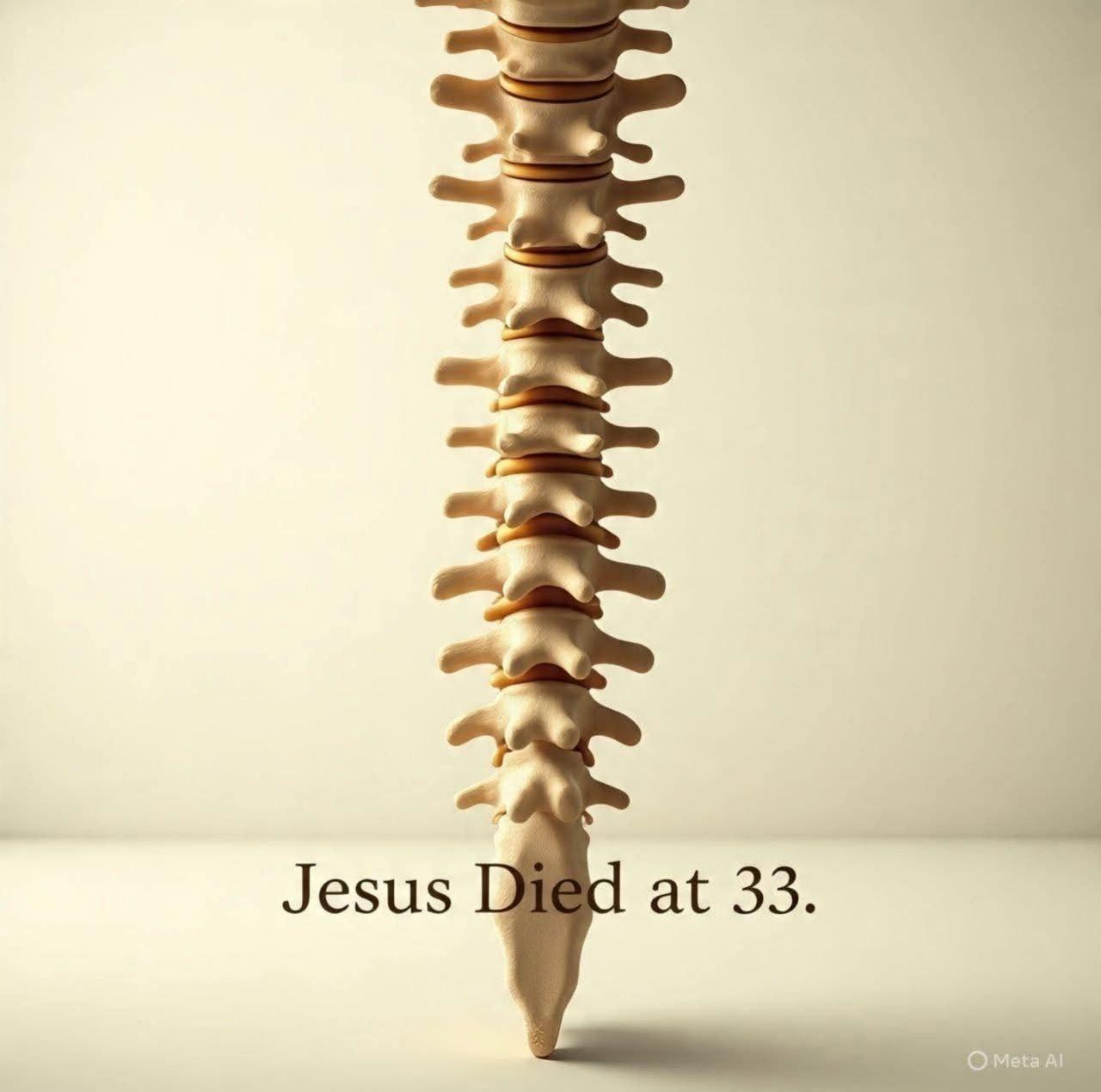
Fact-Checking the Viral Post Connecting Human Anatomy and the Bible
Posted by Luke J. Wilson on 19th August 2025 in Fact-Checking | biology,anatomy,apologetics,fact-checking,Facebook
A poetic post has been circulating widely on Facebook, suggesting that our anatomy mirrors various aspects of Scripture. On the surface it sounds inspiring, but when we take time to weigh its claims, two main problems emerge.
The viral post circulating on Facebook [Source]
First, some of its imagery unintentionally undermines the pre-existence of Christ, as if Jesus only “held the earth together” for the 33 years of His earthly life. Second, it risks reducing the resurrection to something like biological regeneration, as if Jesus simply restarted after three days, instead of being raised in the miraculous power of god.
Alongside these theolog...
Powered by WebBoss.io 3.7.1
Copyright © 2026 The Sacred Faith: Timeless Truths for Modern Minds. All Rights Reserved.
