
Blog Search Results


144 results for bread of life
found
within the Blog
6 displayed out of 144 (0.41seconds)Page 14 of 24

Lent Day 34: Cyril of Jerusalem: Catechetical Lectures: Lecture XXIII
Posted by Luke J. Wilson on 8th April 2017 in Lent | Lent,great lent,fasting,early church fathers,devotional,daily reading,Doctor of the Church,lectures,liturgy,catechism,Bishop of Jerusalem,Eucharist,Lord's Prayer
Day Thirty-four: St. Cyril of Jerusalem: Catechetical Lectures: Lecture XXIII
Who: Bishop of Jerusalem and Doctor of the Church, born about 315; died probably 18 March, 386. Little is known of his life, except from his younger contemporaries, Epiphanius, Jerome, and Rufinus, as well as from the fifth-century historians, Socrates, Sozomen and Theodoret.
What: Each of the lectures deal with a different topic to teach converts the mysteries of the Church, particularly: rites of the renunciation of Satan and his works, of anointing with oil, of baptism, of anointing with the holy chrism, and of partaking of the body and blood of Christ.
Why: Cyril delivered to ne...
The Temptations of Jesus: Testing God
Posted by Luke J. Wilson on 4th March 2018 in Lent | temptation,testing God,pinnacle,Temple,Jesus,Satan,wilderness,Lent,desert,Armour of God
Here we are at the final temptation that the devil directly attacks Jesus with (I say directly, because next week I’m going to look at the more subtle attacks and temptations we can face).
Let’s begin with the text:
Matthew 4:5-7
Then the devil took him to the holy city and placed him on the pinnacle of the temple, saying to him, “If you are the Son of God, throw yourself down; for it is written,
‘He will command his angels concerning you,’
and ‘On their hands they will bear you up,
so that you will not dash your foot against a stone.’”
Jesus said to him, “Again it is written, ‘Do not put the Lord your God to the test.’” (...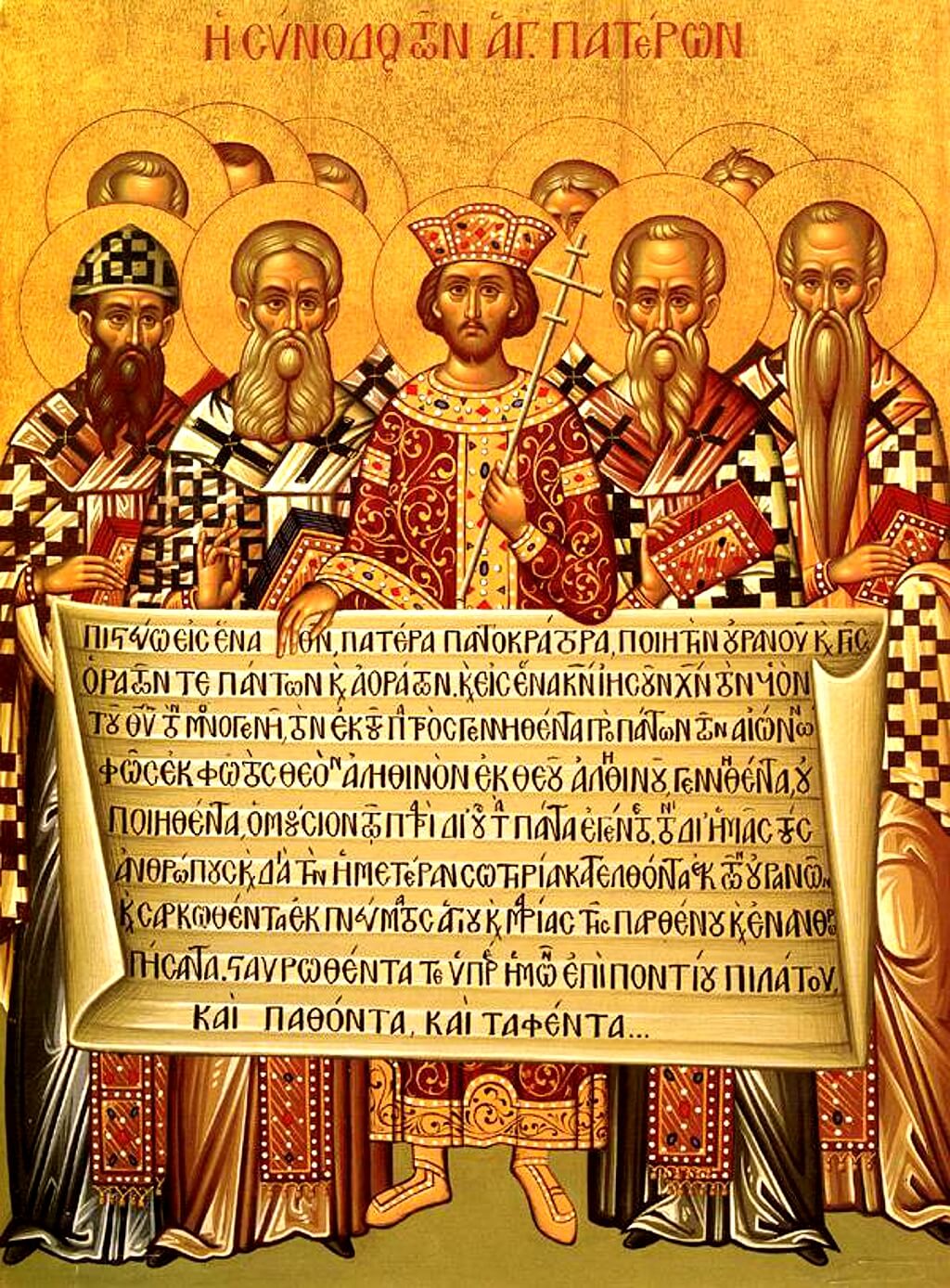
Creedal Christians: The Nicene Creed
Posted by Luke J. Wilson on 2nd June 2019 in Early Church | nicene creed,nicea council,creeds,creedal christians,creedal
The Nicene Creed — what is it and why is it called that?
This creed gets its name from a time and place: the first ecumenical Church council held at Nicaea, which is now known as İznik in northwestern Turkey, in 325 AD.
Now that may raise another question for you: what is an ecumenical council? Well, to explain more about the Nicene Creed, we are going to have to take a look at The First Council of Nicaea in order to better understand why this creed was written.
First things first though; an “ecumenical council” is ideally a Church-wide meeting where all the Bishops from all across the Church come together to hold a very large and very important meetin...
Why do bad things happen to 'good' people?
Posted by Luke J. Wilson on 6th April 2014 in Judgement | judgement,good people,bad things,mercy,grace,Job,divine pushishment
A question most often asked by Christians and non-Christians alike is "why do bad things happen to 'good' people?" I say 'good' in quotations because, as Paul writes in Romans 3:10, "There is no one who is righteous, not even one".
In light of that this question is technically, fundamentally flawed, as it presupposes that some people are better or more worthy than others. We all do wrong one way or another, so at a base level and in comparison to a Holy God, no one is any more 'good' than another, which is Paul's argument I believe (but that's probably a whole other blog post for another day).
But that aside, taking the question as it is, and assuming tha...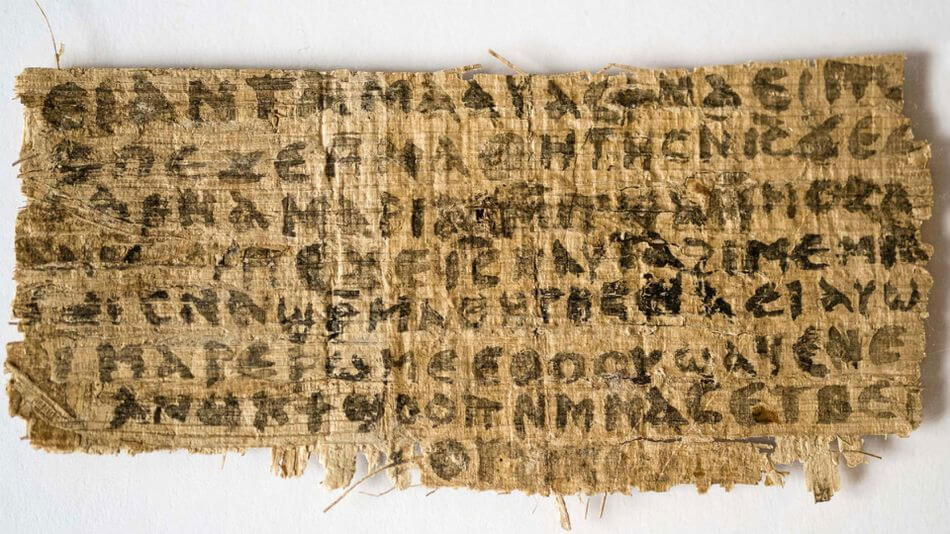
An ancient fragment mentions Jesus' wife!?
Posted by Luke J. Wilson on 10th April 2014 in General Interest | Jesus,wife,papyrus,fragment,Archaeology,Jesus wife,Gnosticism,early church
UPDATE (3rd May 2014): It is now believed to have been confirmed as a hoax/fake; read the full story on The Wall Street Journal.
Ancient and not a fake according to scientists
IMAGE: HARVARD UNIVERSITY, KAREN L. KING/ASSOCIATED PRESS
A little while ago, there was some hoopla in the news about a newly discovered fragment of papyrus from ancient times which contained the phrase "Jesus said to them, 'my wife...,'". Obviously, and not surprisingly, the media made a big deal out of this. Atheists and the like, saw it as a blow to Christianity and conspiracy theorists everywhere thought it confirmed their views that the Vatican and the Catholic Church wer...
Exodus: Gods and Kings Review - Action epic loosely based on the Bible
Posted by Luke J. Wilson on 16th April 2015 in TV & Film | Exodus,God's and Kings,film review,biblical film
I know the film has been out for a while now, but I missed seeing it in the cinema and so have only just seen it. I'm sure there's others out there who still haven't watched this and are wondering whether it's worth the time and effort, so here goes: my review of Exodus.
The film begins with Moses later in life living in the Pharaoh's palace as his adopted son along side his half brother. Now I'm not sure if this part was based on any Jewish Midrash or if it was purely artistic license, but either way I thought it was well done to show how Moses' life could well have gone being brought up Egyptian. Apart from some pretty epic looking battle scenes, t...
Powered by WebBoss.io 3.7.1
Copyright © 2026 The Sacred Faith: Timeless Truths for Modern Minds. All Rights Reserved.
