
Blog Search Results


123 results for john hagee
found
within the Blog
6 displayed out of 123 (0.27seconds)Page 18 of 21
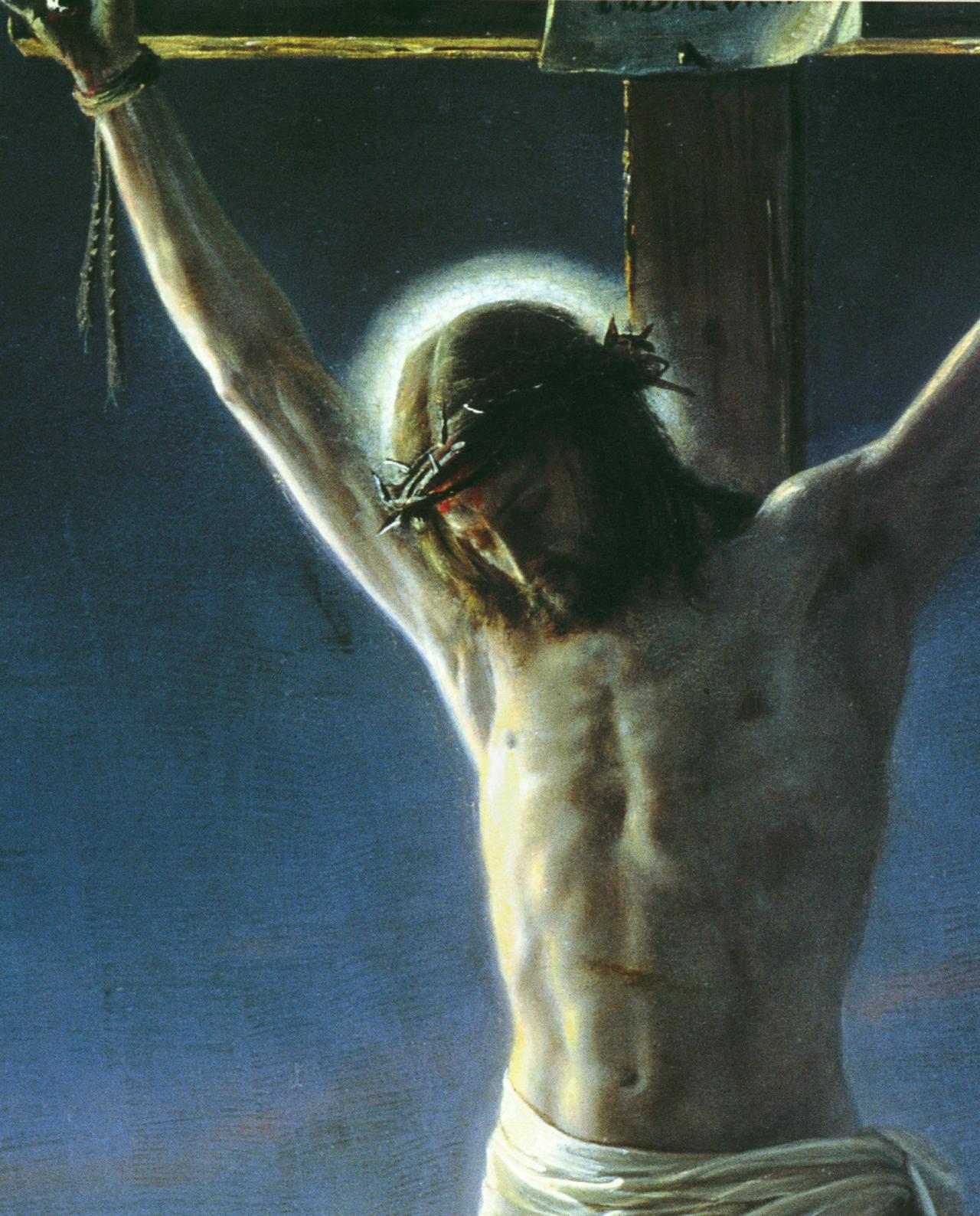
7 Ways Jesus Reverses the Curse From Eden
Posted by Luke J. Wilson on 8th April 2023 in Easter | Easter,crucifixion,gospel,kingdom of god,curse,genesis,creation
Everything about the Kingdom of God is a reversal of worldly powers (servant leadership, first shall be last, etc.). God’s ways are opposed to the World’s ways.
Likewise, everything about the Gospel is a reversal of what went wrong in the beginning of creation and nowhere is this highlighted more than during the Passion, crucifixion and resurrection of Jesus. So here are seven ways in which Jesus reverses all the mistakes and curses from creation.
1. The disobedience in the Garden of Eden is now rectified by the obedience of Jesus in the Garden of Gethsemane.
Genesis 3:11Have you eaten from the tree of which I commanded you not to eat?
Luke 22:42...
The Early Concept of the Trinity: Tracing the Roots
Posted by Luke J. Wilson on 16th November 2023 in Trinity | trinity,early church,early church fathers,tri-unity,triune God,godhead
The doctrine of the Trinity, which asserts the co-equality of the Father, Son, and Holy Spirit, has deep roots in the early Christian writings of the first three centuries. While the full articulation of the Trinity developed over time, culminating at the Council of Nicaea in the fourth century, references to the equality of these three persons can be traced back to influential documents and the teachings of early Church Fathers in the centuries leading up to this pivotal moment in Church History.
Early Church Beliefs and Teachings
One of the earliest Christian documents, the Didache, believed to have been written in the late first or early second century, pro...
Lent Day 35: Ambrose of Milan: Concerning the Mysteries: 1-4
Posted by Luke J. Wilson on 10th April 2017 in Lent | Lent,great lent,fasting,early church fathers,devotional,daily reading,Doctor of the Church,lectures,liturgy,catechism,Eucharist,Bishop of Milan,St Ambrose,mysteries,treatise
Day Thirty-five: St. Ambrose of Milan: Concerning the Mysteries: 1-4
Who: Bishop of Milan from 374 to 397; born probably 340, at Trier, Arles, or Lyons; died 4 April, 397. He was one of the most illustrious Fathers and Doctors of the Church.
What: The treatise was composed for use during the latter part of Lent, for the benefit of those about to be baptised, the rites and meaning of that Sacrament, as well as of Confirmation and the Holy Eucharist. For all these matters were treated with the greatest reserve in the Early Church, for fear of being misused by unbelievers.
Why: Ambrose states that after the explanations he has already given of holy living (in pr...
Great Lent: The Season of Fasting
Posted by Luke J. Wilson on 13th February 2016 in Lent | Lent,Easter,Fasting,Prayer,early church,early church fathers,paganism,pagan roots
Fasting
A spiritual and physical discipline
If you are looking for a Lenten reading plan, make sure to check out my book, 40 Days with the Fathers: A Journey Through Church History, which will take you through the first 400 years of church history in forty days!
Lent is upon us once again (according to Western tradition), and so I thought it’d be good to write something on the discipline of fasting, which is often neglected or overlooked in many Protestant churches.
And much like any major holiday, there is the usual arguments and accusations about how it's all just pagan festivities with a "Christian mask". Easter is no different, and usually gets hit...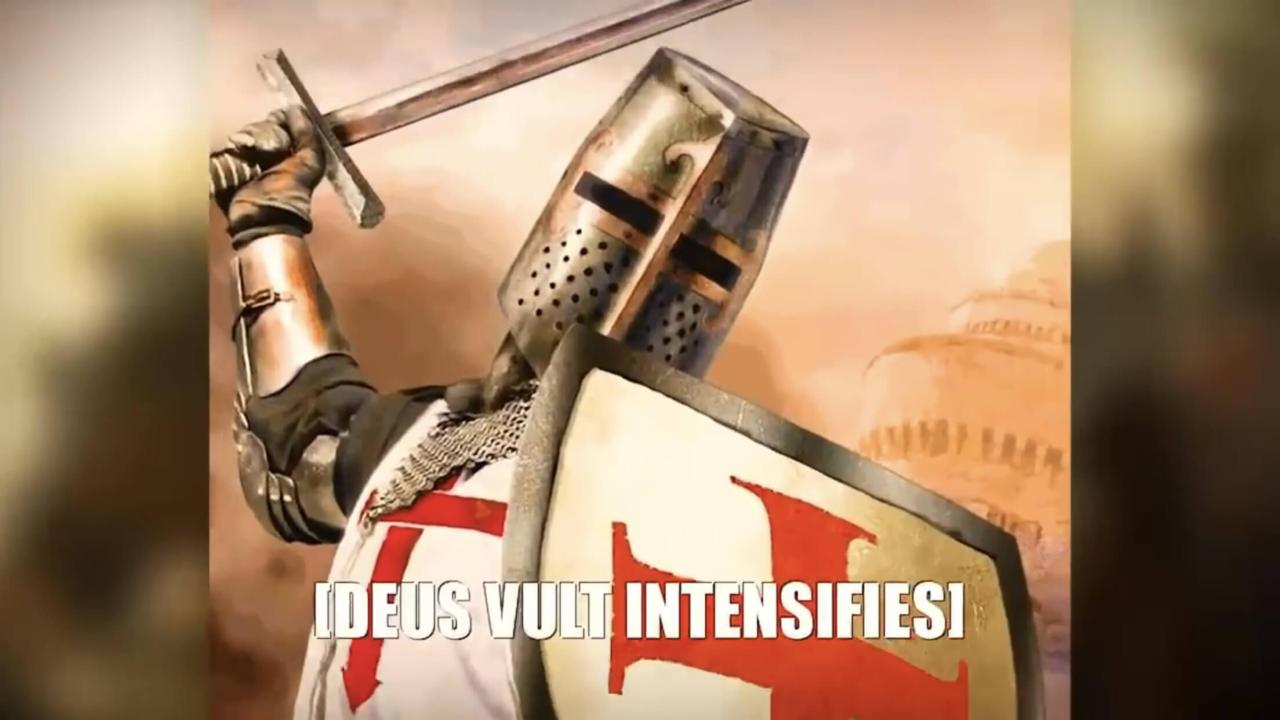
Debunking the Crusades: 5 Myths You Probably Believe
Posted by Luke J. Wilson on 14th October 2024 in Crusades | Crusades,Medieval,history,muslim
The Crusades have long been a topic distorted by myth, legend, and misconception, especially in modern pop culture and film. Movies and television often portray the Crusaders as either valiant knights on holy missions or brutal barbarians bent on conquest, feeding into a skewed image of the events. These simplistic portrayals fail to capture the complex motivations and historical realities of the Crusades.
The Guardian article about the Reconciliation Walk
One striking example of how these misunderstandings have influenced modern perceptions was the so-called Reconciliation Walk in 1999, marking the 900th anniversary of the First Crusade. Hundreds of Chris...
The Real St. Nicholas: A Man of Virtue, Not Violence
Posted by Luke J. Wilson on 7th December 2024 in Christmas | arianism,nicea council,nicene council,st nicholas,history,church fathers,church history
When we think of St. Nicholas, two contrasting images often emerge: the cheerful, gift-giving Santa Claus and the fiery bishop who supposedly punched Arius at the Council of Nicaea. The latter story, popularised through memes and tales of “righteous anger,” portrays Nicholas as a defender of truth through violence. But how much of this tale is rooted in fact?
St Nicholas of Myra slapping Arius at the Council of Nicaea.Fresco from the Soumela Monastery (Turkey)
The truth is both simpler and more profound: St. Nicholas embodied the teachings of Christ, not through impulsive acts of aggression, but through a life of love, generosity, and devotion.
Sepa...
Powered by WebBoss.io 3.7.1
Copyright © 2026 The Sacred Faith: Timeless Truths for Modern Minds. All Rights Reserved.
