
Blog Search Results


140 results for faith
found
within the Blog
6 displayed out of 140 (0.05seconds)Page 19 of 24
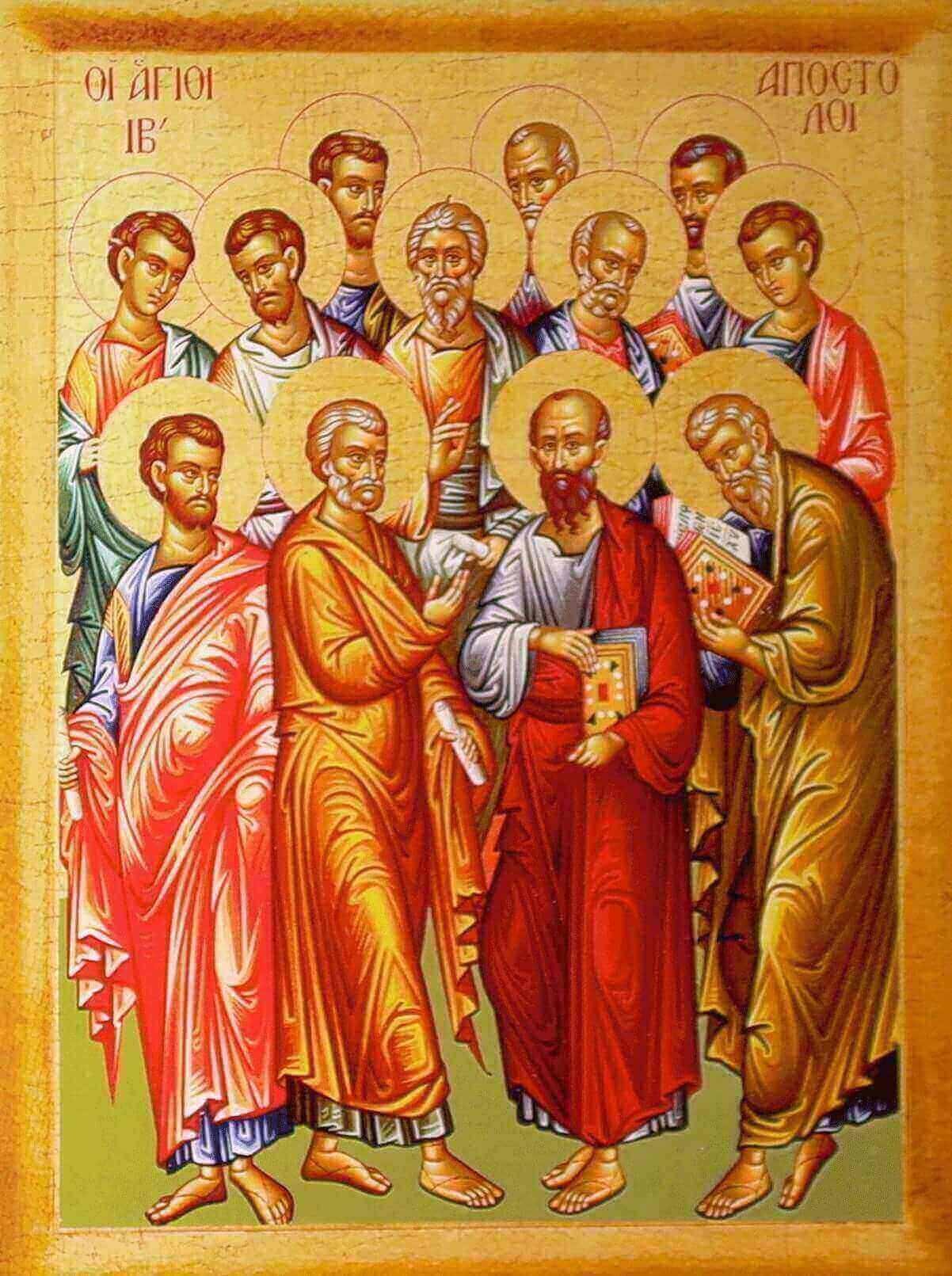
How many apostles are there in the New Testament?
Posted by Luke J. Wilson on 22nd May 2018 in Gifts of the Spirit | apostles,five fold ministry,gifts of the Spirit,Greek
...ty of the faith and of the knowledge of the Son of God, to maturity, to the measure of the full stature of Christ. (emphasis mine)
This is sometimes called the “Five Fold Ministry”. Compare this with 1 Cor 13:8-12, which parallels this thought using sightly different words about coming to maturity and being fully grown, and of seeing Jesus “face to face”. To put it simply, these gifts don’t end until we meet Jesus face to face, either in death or at The Resurrection, which makes complete sense if these five major roles are to “to equip the saints” and for “building up the body of Christ”.
So if these five gifts are for the continued benefit...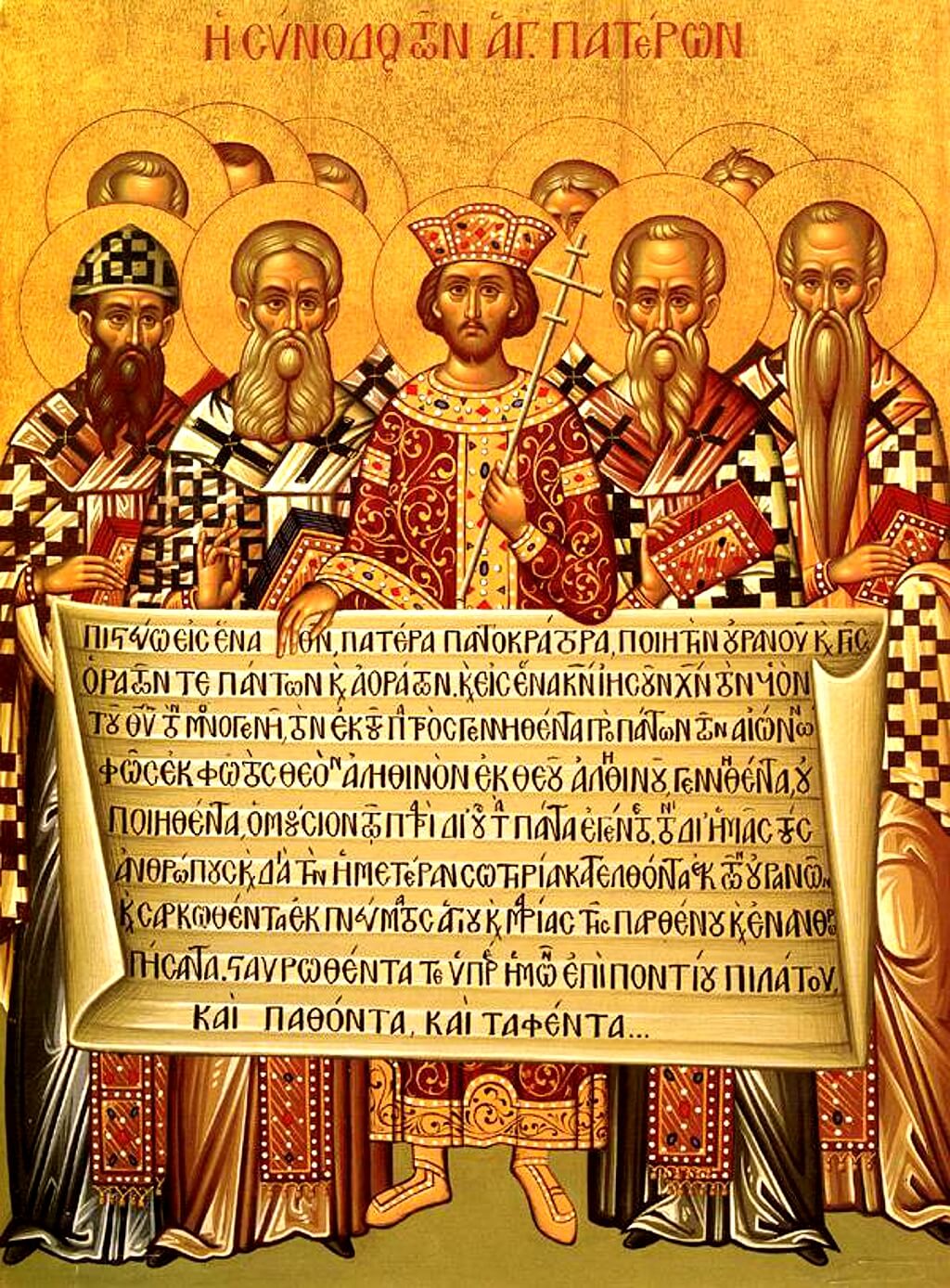
Creedal Christians: The Nicene Creed
Posted by Luke J. Wilson on 2nd June 2019 in Early Church | nicene creed,nicea council,creeds,creedal christians,creedal
...Christian faith via Scripturally-based statements.
Some of you reading this may already be familiar with this creed, others may recognise aspects of it, but you may not realise that the fuller and longer version that is more common actually came around 56 years later from the First Council of Constantinople in 381 AD. The initial creed was much shorter and included a statement at the end specifically targeting the teachings of Arius. This wasn’t the only revision the Nicene Creed went under, as there was another addition many centuries later which caused some serious controversy, which exists even to this day.
The Filioque controversy
“And the Son” –...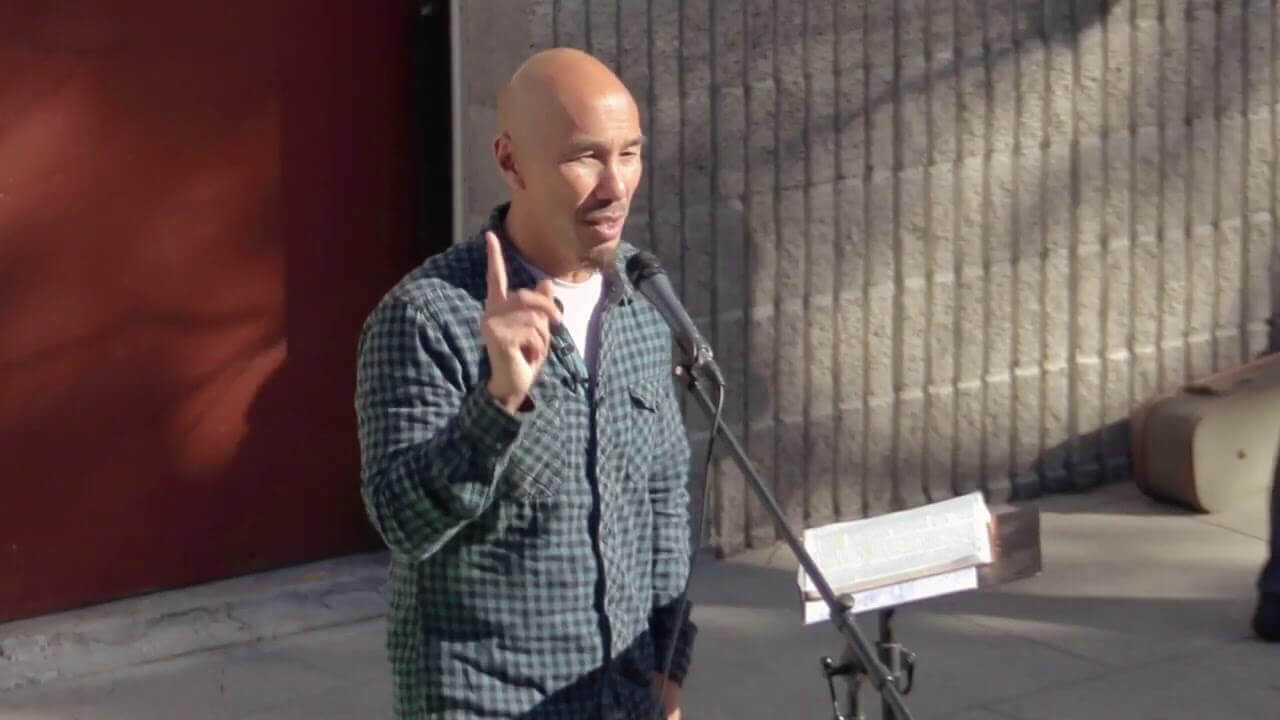
Francis Chan turns towards a more historical and ancient view of Communion
Posted by Luke J. Wilson on 14th January 2020 in General Interest | eucharist,communion,francis chan,church fathers,church history,controversy
...nt in his faith around the topic of communion — something he was wrestling with even back in his BASIC series teaching on Communion from around 2012, views which have clearly moved on since then towards a more historical view.
Chan says he isn’t making any sort of “grand statement” here, and goes on to give a brief, if little distorted, overview of church history:
“I didn’t know that for the first 1,500 years of church history, everyone saw it as the literal body and blood of Christ … And it wasn’t until 500 years ago that someone popularised the thought that it’s just a symbol and nothing more. I didn’t know that. I thought, ‘Wow,...
Losing a Loved One: A Few Ways to Find Solace
Posted by Lucille Rosetti on 29th January 2020 in Death | death,loss,grieving,grief,bereaved
...This is a guest post by Lucille Rosetti from thebereaved.org. The views are that of the author and don't necessarily reflect the views of That Ancient faith.
This week I have a guest post by Lucille Rosetti from thebereaved.org looking at the hard topic of death. As Christians we shouldn't fear death, and ought to look on it with a paradoxical hope, since we know that through Christ death has lost its "sting" (1 Cor 15:55-57) and that we look forward to the Resurrection and life to come. But even with that in mind, the physical and earthly loss is still hard and something we need to process and deal with, and the following guest post aims to help with the...
Lent: Day 10 - Ignatius to the Smyrnaeans
Posted by Luke J. Wilson on 11th March 2017 in Lent | Lent,great lent,fasting,early church fathers,devotional,daily reading,Ignatius,Ignatius to the smyrnaeans
...for their faith and for being steadfast against the heresies Ignatius condemns. Whilst the previous letters all say the same thing about listening to the bishop and to not do anything apart from him, this letter goes one further and says that, “he who does anything without the knowledge of the bishop, does [in reality] serve the devil”!
That's some strong words and really shows the emphasis on the church hierarchy in these early days, and the seriousness of the positions of these church leaders, as though they were acting in place of Jesus and the Apostles to the individual churches, which is often how Ignatius describes it.
Like the others, this letter of...
It's no longer about land!
Posted by Luke J. Wilson on 16th August 2014 in Israel | Israel,war,politics,current events,Hamas,Gaza,promised land,New Covenant,spirit and truth,worship,new creation
...s through faith in Jesus by putting away earthly things and desires which hinder our walk with God and life in the Spirit until such a time that we physically die and go to new life eternal.
Until then though, we should strive to "regard no one from a human point of view" as Paul wrote, and remember that we are a new people group in Christ.
Our home is God's kingdom; our culture is Heaven's culture; our family is Christ's family, which is why we are all brothers and sisters, adopted into the family of God as children and joint heirs with Christ (Titus 3:6-7; Eph 1:5; Eph 3:5-6; Galatians 3:29; Romans 8:16-17)!
Our focus needs to be less on where we fit i...
Powered by WebBoss.io 3.7.1
Copyright © 2026 The Sacred Faith: Timeless Truths for Modern Minds. All Rights Reserved.
