
Blog Search Results


62 results for historical
found
within the Blog
6 displayed out of 62 (0.03seconds)Page 2 of 11
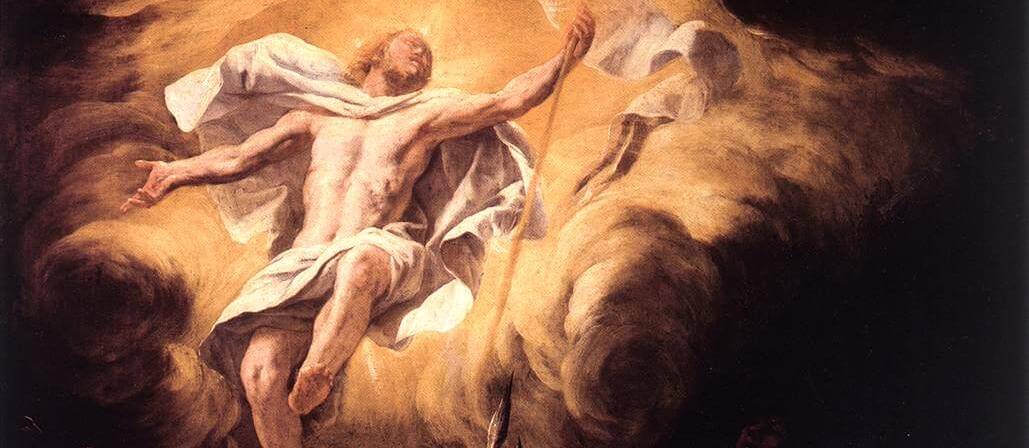
The Resurrection as a historical event
Posted by Luke J. Wilson on 29th April 2017 in Easter | resurrection,easter,apologetics,history,historical
Table of Contents
Jesus was raised bodily – and historically
The resurrection is what makes Christianity unique!
Evidence from Paul
The mystery of the resurrection
The nature of the resurrection
The resurrection is more than physical
What with Easter still ringing in our ears, I thought it would be a good time to revisit the topic of resurrection, but from a historical standpoint and why we can trust it as a real, world-changing event. So, what really is the resurrection? How will we be resurrected, and what does it mean for us that Jesus rose again? Let’s explore what this means for us as Christians, and see what the Scriptures say.
Jesus wa...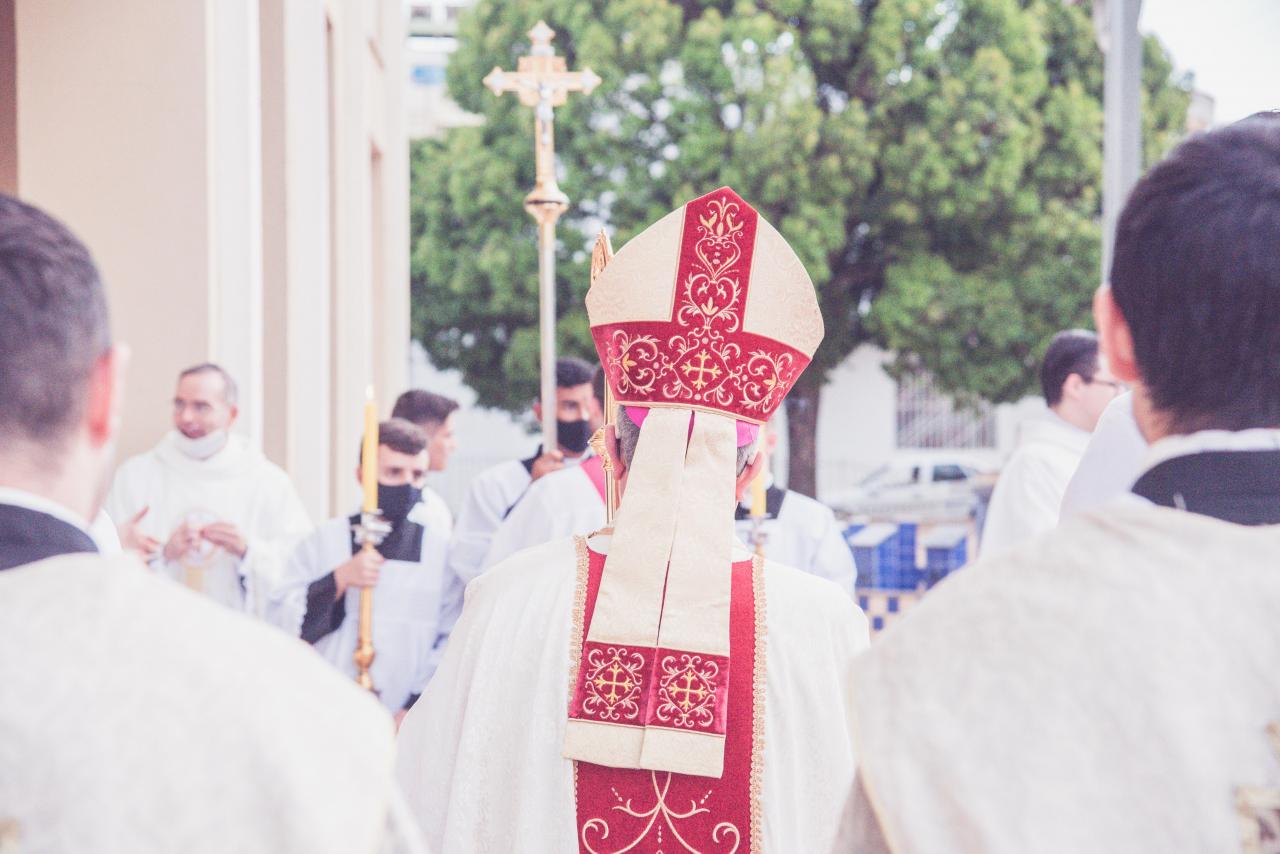
What does the word "Catholic" mean?
Posted by Luke J. Wilson on 8th March 2021 in Etymology | catholic,church fathers,church history,etymology,roman catholic,eastern orthodox,Great Schism,Muratorian Fragment
...earliest historical use of the word, in the context of the Church, is found in one of the letters of Ignatius to the Smyrnaeans, written around A.D. 107, where he writes:
Wherever the bishop shall appear, there let the multitude [of the people] also be; even as, wherever Jesus Christ is, there is the Catholic Church.
From here on we begin to see that the word “catholic” was used in reference to mean “orthodoxy” (the word “orthodox” means “right belief”) as opposed to the non-orthodox heretics who were then by definition not catholic as they were not ‘according to the whole’ which was, as Jude wrote, “the faith that was once for al...
Debunking the Myth: The Council of Nicaea and the Formation of the Biblical Canon
Posted by Luke J. Wilson on 20th November 2023 in Early Church | church history,council of nicaea,myths,debunked,canon,biblical canon
...A myth that never seems to fade away: the idea that the Council of Nicaea, convened in 325 AD under the authority of Roman Emperor Constantine, played a pivotal role in establishing the Biblical canon. This notion suggests a conspiracy and power play orchestrated by a select group of elite bishops; a narrative popularised by works like Dan Brown’s Da Vinci Code. However, a closer examination reveals a lack of historical basis for this claim.
The Council of Nicaea and the Canon
Contrary to popular belief, there is no evidence that the Council of Nicaea discussed or established the Canon of Scripture, leading to the creation of the Bible. Early Christian cano...
Debunking the Crusades: 5 Myths You Probably Believe
Posted by Luke J. Wilson on 14th October 2024 in Crusades | Crusades,Medieval,history,muslim
...The Crusades have long been a topic distorted by myth, legend, and misconception, especially in modern pop culture and film. Movies and television often portray the Crusaders as either valiant knights on holy missions or brutal barbarians bent on conquest, feeding into a skewed image of the events. These simplistic portrayals fail to capture the complex motivations and historical realities of the Crusades.
The Guardian article about the Reconciliation Walk
One striking example of how these misunderstandings have influenced modern perceptions was the so-called Reconciliation Walk in 1999, marking the 900th anniversary of the First Crusade. Hundreds of Chris...
Biblical Inspiration and the Canon: How We Got the Bible
Posted by Luke J. Wilson on 28th February 2025 in Early Church | canon,nicea council,nicene council,myths,church history,church fathers
...nalities, historical context, and literary style to remain evident in their writings.
This means that while the Bible is written by human hands, it carries divine authority because its true source is God Himself. The process of inspiration does not mean God dictated each word like a secretary taking notes, or by possessing the authors, but rather that He ensured the truth of His message was faithfully recorded by the biblical writers.
What is the Canon?
The word “canon” comes from the Greek κανών (kanōn), meaning “rule” or “measuring rod.” In the context of the Bible, the canon refers to the official list of books recognised as divinely ins...
Does Easter Have Pagan Origins?
Posted by Luke J. Wilson on 22nd March 2021 in Easter | Easter,easter sunday,early church,church history,paganism,pagan roots,Ishtar,Eostre,fertility goddess
...or even a historical connection to ancient Britain.
Eostre, on the other hand, actually does originate in ancient Britain from the Anglo-Saxons, and there is one (yes, only one) historical mention of a supposed Anglo-Saxon goddess by this name. The only problem is that this historical reference only comes about in the 8th century from a Northumbrian monk known as the Venerable Bede. Here’s what he has to say:
“Eostremonath has a name which is now translated Paschal month, and which was once called after a goddess of theirs named Eostre, in whose honour feasts were celebrated in that month. Now they designate that Paschal season by her name, calling the j...
Powered by WebBoss.io 3.7.1
Copyright © 2026 The Sacred Faith: Timeless Truths for Modern Minds. All Rights Reserved.
