
Blog Search Results


Did you mean:
jerusalem post
?
95 results for Jerusalem Post
found
within the Blog
6 displayed out of 95 (1.31seconds)Page 3 of 16

Lent Day 30: Cyril of Jerusalem: Catechetical Lectures: Lecture XIX
Posted by Luke J. Wilson on 4th April 2017 in Lent | Lent,great lent,fasting,early church fathers,devotional,daily reading,Doctor of the Church,lectures,liturgy,catechism,Bishop of Jerusalem
Day Thirty: St. Cyril of Jerusalem: Catechetical Lectures: Lecture XIX
Who: Bishop of Jerusalem and Doctor of the Church, born about 315; died probably 18 March, 386. Little is known of his life, except from his younger contemporaries, Epiphanius, Jerome, and Rufinus, as well as from the fifth-century historians, Socrates, Sozomen and Theodoret.
What: Each of the lectures deal with a different topic to teach converts the mysteries of the Church, particularly: rites of the renunciation of Satan and his works, of anointing with oil, of baptism, of anointing with the holy chrism, and of partaking of the body and blood of Christ.
Why: Cyril delivered to new conve...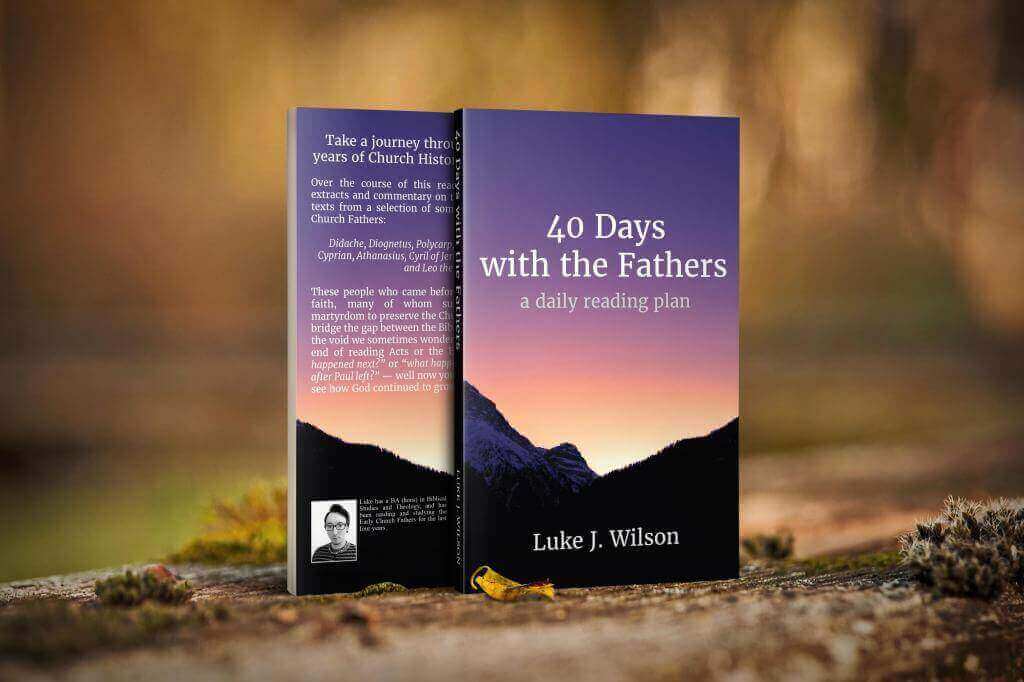
40 Days with the Fathers: Source Texts Companion Book
Posted by Luke J. Wilson on 2nd March 2019 in My Books | church fathers,church history,early church,early church fathers,companion book,40 days,Lent
Available soon will be a companion book that will include all of the source texts in full, which I had hoped to get out in time for Lent, but it’s unlikely to be ready in time this year. So if you have my book and would like to read along each day with the Church Fathers as well, I’ve compiled a list of online sources where you can read the original texts.
If you don’t have the book and would like it, you can order it now from Amazon and still get it in time for Lent by clicking the following link: Amazon.com; or if you would like to pledge some support towards my book writing in return for some nice perks, you can do so on my Patreon page: https://patreo...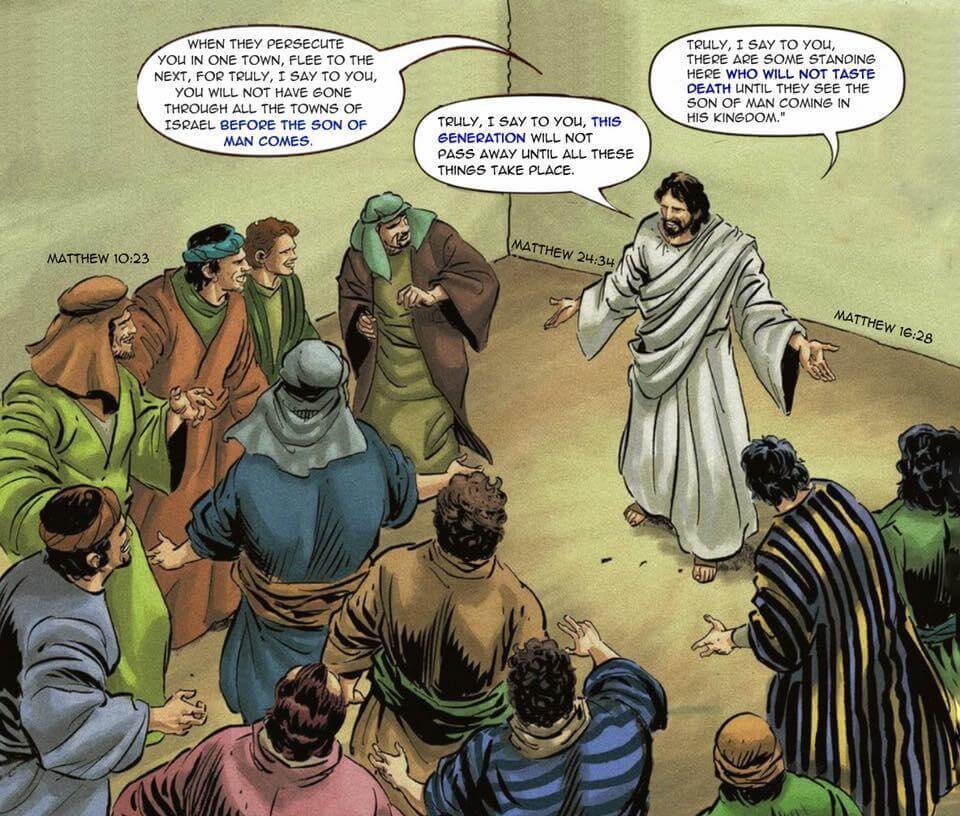
The Coming Kingdom of the Son of Man
Posted by Luke J. Wilson on 20th July 2016 in Eschatology | second coming,preterism,Kingdom of God,Coming kingdom,olivet discourse,Gospels,end times,end of the world,end of the age
The importance of context of what's being said, and to whom, in Scripture.
I came across this image the other day (in the header above; see larger here) that links together three parts of Matthew’s Gospel to highlight the connection which many often miss, or read as separate events. I like the image because it shows that when Jesus spoke these things, he would have been saying them directly to the disciples and others who were listening to his teaching, and not in some cryptic, ambiguous dictation to a prophetic scribe, devoid of all context and meaning to those around him at the time.
Update Feb 2017: I am adding some additional information to this to dis...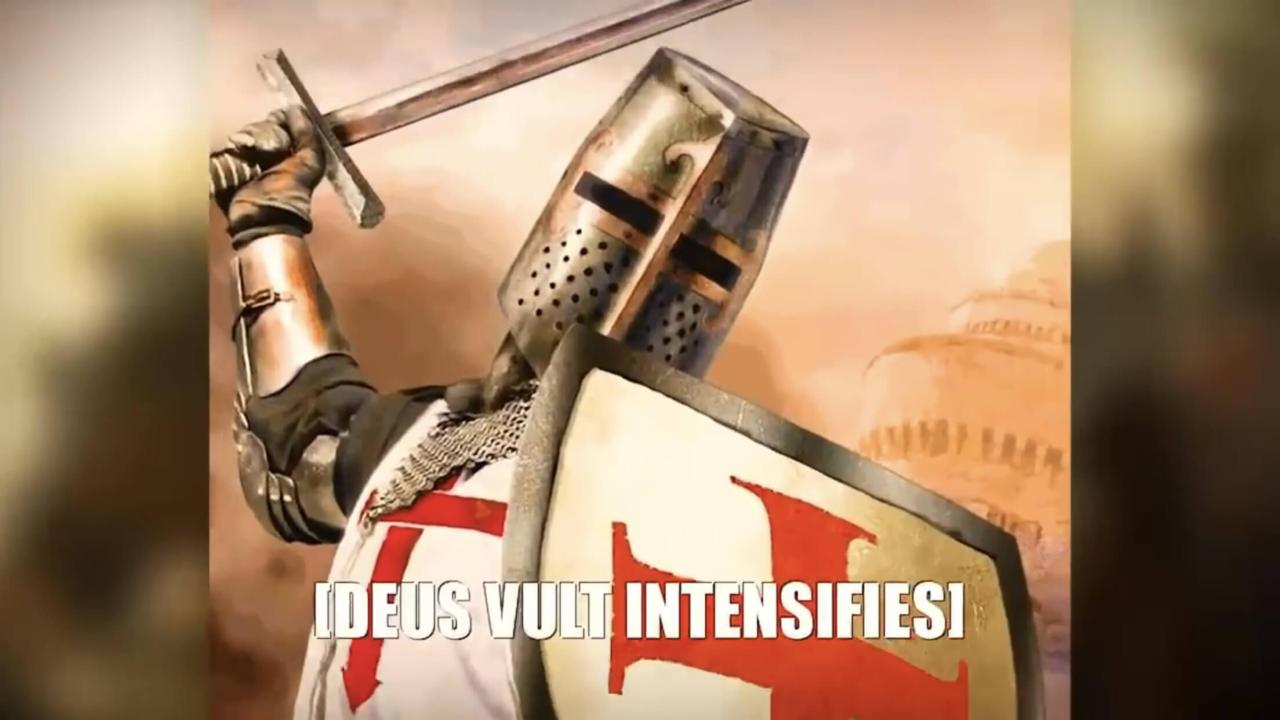
Debunking the Crusades: 5 Myths You Probably Believe
Posted by Luke J. Wilson on 14th October 2024 in Crusades | Crusades,Medieval,history,muslim
The Crusades have long been a topic distorted by myth, legend, and misconception, especially in modern pop culture and film. Movies and television often portray the Crusaders as either valiant knights on holy missions or brutal barbarians bent on conquest, feeding into a skewed image of the events. These simplistic portrayals fail to capture the complex motivations and historical realities of the Crusades.
The Guardian article about the Reconciliation Walk
One striking example of how these misunderstandings have influenced modern perceptions was the so-called Reconciliation Walk in 1999, marking the 900th anniversary of the First Crusade. Hundreds of Chris...
What does the word "Catholic" mean?
Posted by Luke J. Wilson on 8th March 2021 in Etymology | catholic,church fathers,church history,etymology,roman catholic,eastern orthodox,Great Schism,Muratorian Fragment
For many people today, non-Christians and (low church) Christians alike, when they hear the word “Catholic”, certain images spring to mind: the Pope, the rosery, Catholic school, big old churches buildings, choirboys, maybe monks or statues of Mary even; and sadly more recently, sex abuse scandals.
But, generally speaking, all of these are actually aspects of Roman Catholicism — a particular branch of Christianity, and not what the word “catholic” truly means as we’ll see when examining how the early church used the word and what the original Greek word means.
καθολικός (katholikos)
The Greek word where we get the English word “c...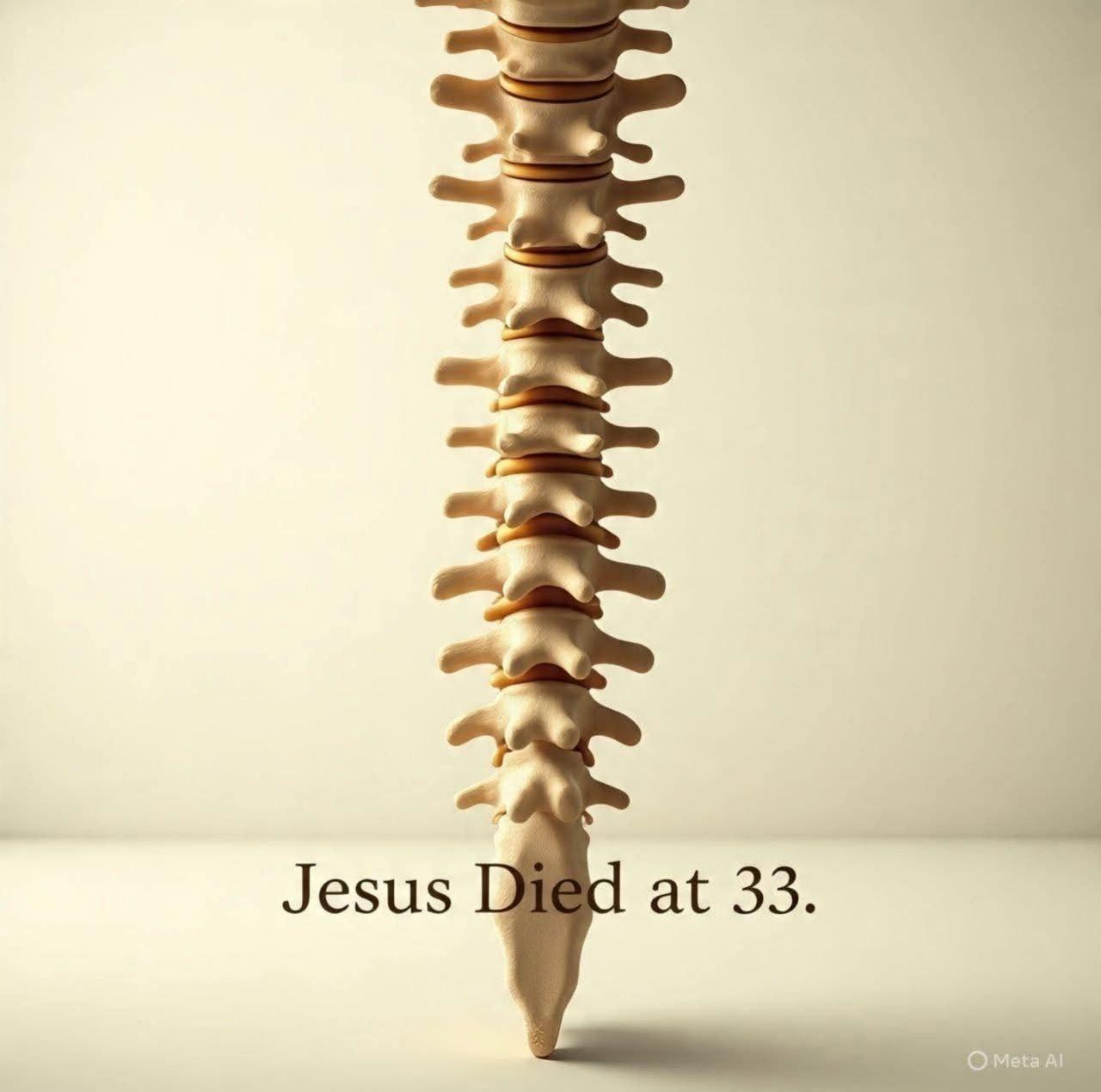
Fact-Checking the Viral Post Connecting Human Anatomy and the Bible
Posted by Luke J. Wilson on 19th August 2025 in Fact-Checking | biology,anatomy,apologetics,fact-checking,Facebook
A poetic Post has been circulating widely on Facebook, suggesting that our anatomy mirrors various aspects of Scripture. On the surface it sounds inspiring, but when we take time to weigh its claims, two main problems emerge.
The viral Post circulating on Facebook [Source]
First, some of its imagery unintentionally undermines the pre-existence of Christ, as if Jesus only “held the earth together” for the 33 years of His earthly life. Second, it risks reducing the resurrection to something like biological regeneration, as if Jesus simply restarted after three days, instead of being raised in the miraculous power of God.
Alongside these theolog...
Powered by WebBoss.io 3.7.1
Copyright © 2026 The Sacred Faith: Timeless Truths for Modern Minds. All Rights Reserved.
