Blog Search Results


53 results for divine pushishment
found
within the Blog
6 displayed out of 53 (0.72seconds)Page 3 of 9

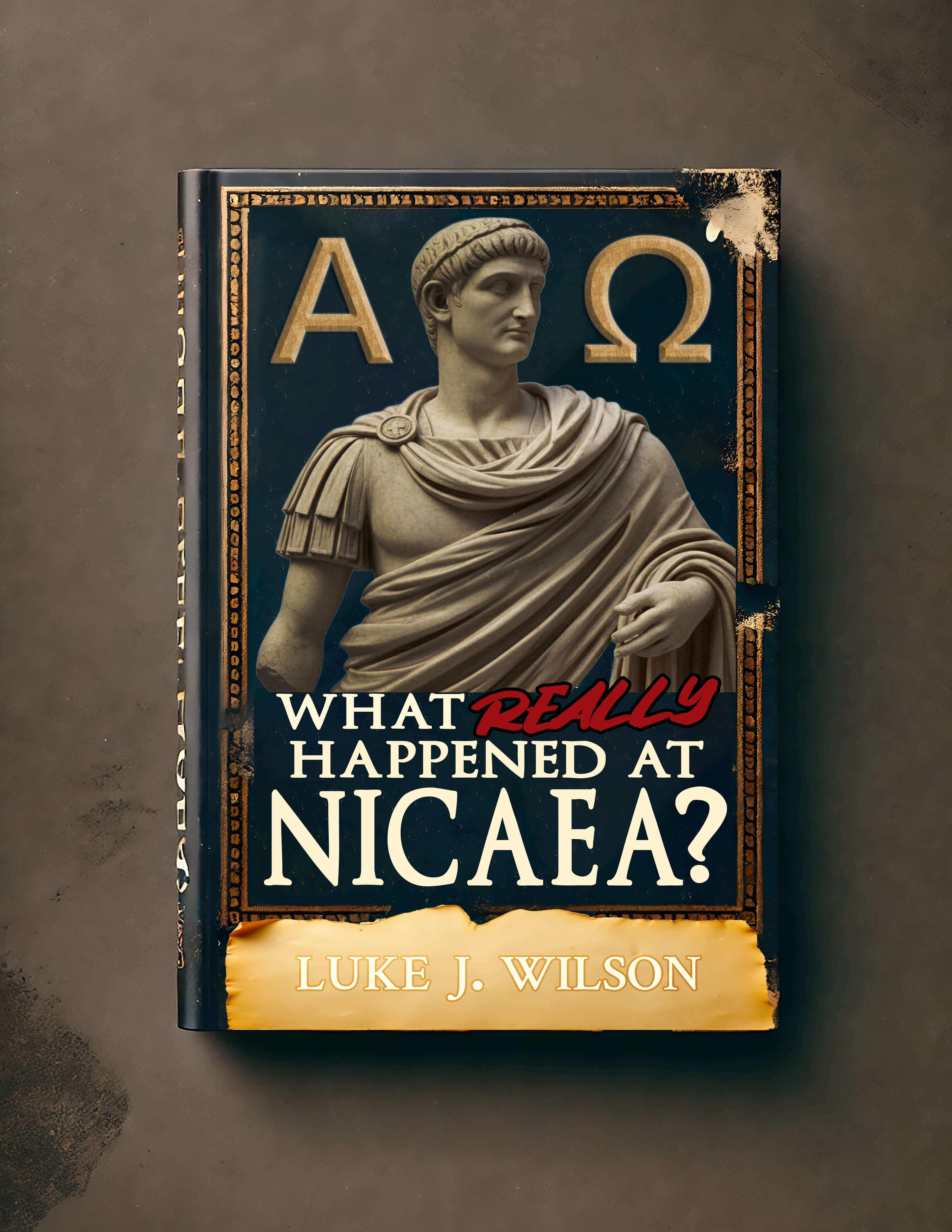
Biblical Inspiration and the Canon: How We Got the Bible
Posted by Luke J. Wilson on 28th February 2025 in Early Church | canon,nicea council,nicene council,myths,church history,church fathers
The Bible is often described as “God-breathed,” a phrase taken from 2 Timothy 3:16: “All scripture is inspired by God and is useful for teaching, for reproof, for correction, and for training in righteousness.” But what does it mean for Scripture to be “inspired,” and how did the books of the Bible come to be recognised as part of the canon — the authoritative collection of writings that make up the Bible? Were they really “decided” at the Council of Nicaea, as some popular myths claim?
Table of Contents
Understanding Biblical Inspiration
What is the Canon?
The Septuagint and the Deuterocanonical Books
How Were the Books of the Bi...
Man-Made Tradition vs Apostolic Tradition
Posted by Luke J. Wilson on 28th February 2016 in Early Church | early church,early church fathers,tradition,creeds,nicene creed,apostolic creed,man made tradition,apostolic tradition
Quite often in discussions which are about or involve some aspects of early church history or practices earlier Christians did, someone will inevitably throw out the "show stopper" that is "it's all just man made tradition" therefore not valid and the discussion is over. It’s as though saying it's "man made", without considering anything other than that they can't find an isolated chapter and verse in the bible which states something explicitly, means they've "won" the debate!
Nothing more to see here folks, someone told us it's man made so we can all go home now. Either that, or the mere mention of the word “tradition” and suddenly you’re accused of be...
William Lane Craig Rejects The Nicene Creed. Is He Right To?
Posted by Luke J. Wilson on 25th August 2026 in William Lane Craig | William Lane Craig,current events,nicene creed,heresy
If you’ve been on Christian social media this week, you’ve probably seen it: William Lane Craig — one of the most respected Protestant apologists of our time— flatly denying a core line of the Nicene Creed. In his own words, he does not believe or confess that the Son is eternally begotten from the Father in his divine nature. Human nature, yes. But divine? Nope.
For a lot of readers, that’s a jarring sentence. Isn’t “eternally begotten of the Father” literally in the Creed we recite? How can someone who has spent decades defending the resurrection and the existence of God turn around and reject something so central?
I want to walk through...
Lent Day 37: Leo the Great: Letter XXVIII (called the "Tome")
Posted by Luke J. Wilson on 12th April 2017 in Lent | Lent,great lent,fasting,early church fathers,devotional,daily reading,Doctor of the Church,lectures,Tome,Leo the Great,St Leo,hypostatic union,deity of christ,heresy,Pope Leo I
Day Thirty-seven: St. Leo the Great: Letter XXVIII (called the "Tome")
Who: Leo the Great, also known as Pope St. Leo I (the Great), was Pope from 440-61 AD. Place and date of birth unknown; died 10 November, 461. Leo's pontificate, next to that of St. Gregory I, is the most significant and important in Christian antiquity, as he tried to combat the heresies which seriously threatened church unity even in the West, such as Pelagianism.
What: A defence of the twofold nativity and nature of Christ against the false teaching of a priest called Eutyches. It is a doctrinal letter sent by Pope Leo I in the year 449 to Flavian, Patriarch of Constantinople, on the...
Lent Day 40: Leo the Great: Sermon LXXII: ON THE LORD'S RESURRECTION, II
Posted by Luke J. Wilson on 15th April 2017 in Lent | Lent,great lent,fasting,early church fathers,devotional,daily reading,Doctor of the Church,lectures,Leo the Great,St Leo,Pope Leo I,sermon,resurrection,easter,easter sunday
Day Forty: St. Leo the Great: Sermon LXXII: ON THE LORD'S RESURRECTION, II
Who: Leo the Great, also known as Pope St. Leo I (the Great), was Pope from 440-61 AD. Place and date of birth unknown; died 10 November, 461. Leo's pontificate, next to that of St. Gregory I, is the most significant and important in Christian antiquity, as he tried to combat the heresies which seriously threatened church unity even in the West, such as Pelagianism.
What: A sermon on the Gospel, incarnation and resurrection of our Lord.
Why: To encourage the Church in the power of the incarnation and the true faith and the nature of Christ and to give a new meaning to Passover in lig...
Fasting: A spiritual and physical discipline
Posted by Luke J. Wilson on 27th May 2019 in Fasting | fasting,didache,discipline,self control,Lent,early church,early church fathers
The topic of fasting often comes up in online discussion groups that I'm a part of, more often in Protestant circles where the practice is more often sidelined in low churches. So let's take a look at the practice of fasting from a practical and historical view, as it seems to be a spiritual discipline which has been pushed aside in many churches today, with prayer, worship and bible reading taking more precedence in a Christian's life instead (not that those are bad things to do!).
Why fast?
There are many reasons to fast, and recent studies have shown a lot of health benefits that can be derived from fasting. But on the spiritual side of life, there are also...
Powered by WebBoss.io 3.7.1
Copyright © 2026 The Sacred Faith: Timeless Truths for Modern Minds. All Rights Reserved.