
Blog Search Results


23 results for wisdom
found
within the Blog
6 displayed out of 23 (0.02seconds)Page 3 of 4
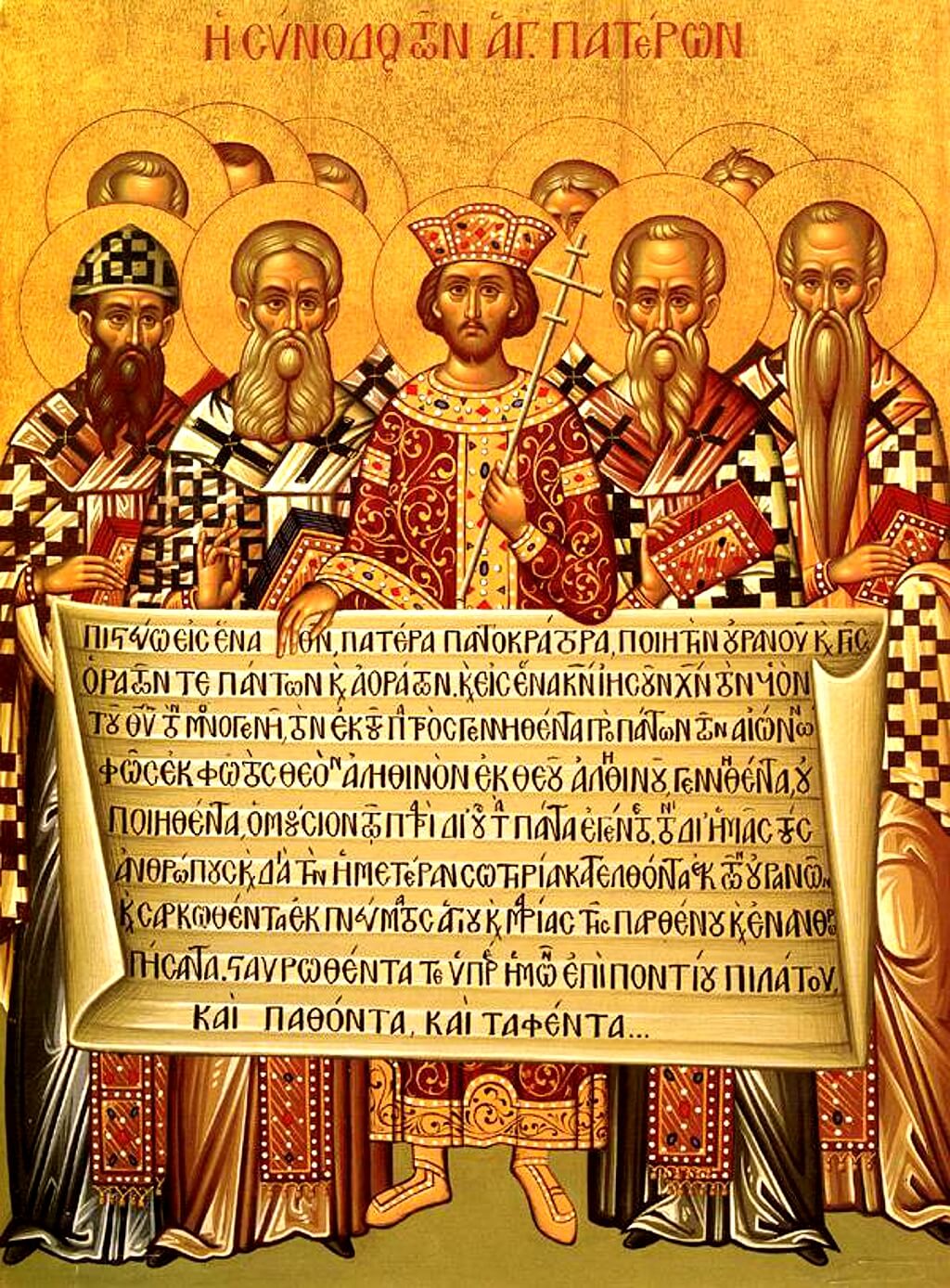
Creedal Christians: The Nicene Creed
Posted by Luke J. Wilson on 2nd June 2019 in Early Church | nicene creed,nicea council,creeds,creedal christians,creedal
The Nicene Creed — what is it and why is it called that?
This creed gets its name from a time and place: the first ecumenical Church council held at Nicaea, which is now known as İznik in northwestern Turkey, in 325 AD.
Now that may raise another question for you: what is an ecumenical council? Well, to explain more about the Nicene Creed, we are going to have to take a look at The First Council of Nicaea in order to better understand why this creed was written.
First things first though; an “ecumenical council” is ideally a Church-wide meeting where all the Bishops from all across the Church come together to hold a very large and very important meetin...
Francis Chan turns towards a more historical and ancient view of Communion
Posted by Luke J. Wilson on 14th January 2020 in General Interest | eucharist,communion,francis chan,church fathers,church history,controversy
...ceeds the wisdom of everyone before me?
It was actually one of the earliest texts, from a second century bishop called Ignatius, that really tipped me over the edge from a “memorialist” view (that the bread and wine are purely symbolic, nothing more), to a sacramental view (that the bread and wine are a means of grace that God uses). Ignatius was writing against a heretical group who were teaching a false doctrine about Jesus not really coming in the flesh, and uses communion as an example to prove the opposite, which also gives us an interesting and early view on the sacraments:
“They abstain from the Eucharist and from prayer, because they confess not...
The Coming of Jesus: The Olivet Discourse – Part 1
Posted by Luke J. Wilson on 19th October 2014 in Second Coming Series | Second Coming,Return of Christ,Return of Jesus,Preterism,Prophecy,Last Days,Left Behind,Eschatology,Matthew 24,Olivet Discourse,birth pangs,Josephus,history
...Hello again, it's been a while since I've wrote anything, and longer since getting back to this series on the Second Coming of Jesus. This isn't for lack of motivation, but rather because this is such a huge topic that I've been reading and thinking about this next part for a very long time to make sure I know what I'm saying, and am well read enough to do the topic justice. Having said that, there will always be far more to say on this than I can give time for here, but I hope to give enough of an overview to expound this prophecy faithfully without being too technical as to cause confusion! You can also catch up on the previous parts...
On the Feast of the Nativity, a sermon by Leo the Great
Posted by Luke J. Wilson on 22nd December 2018 in Christmas | nativity,christmas,xmas,leo the great,sermon
...In the days leading up to Christmas, I wanted to share a sermon from a man known as Leo the Great (aka Pope Leo I), who was a Pope from 440-61 AD. He was one of the most significant and important men in Christian antiquity, as he tried to combat the heresies which seriously threatened church unity in the West, such as Pelagianism. This sermon of his about the incarnation of Christ and what it means for us has always stuck with me since I first read it last April when writing my own book on the Early Church Fathers.
It's not that long, so take the time to read it through and let the words sink in as we prepare for Christmas to remember and celebrate the birth...
Jesus Like You've Never Seen Before - Discoveries from Early Christian Art
Posted by Luke J. Wilson on 13th May 2023 in Archaeology | archaeology,icons,Jesus,history,historical
...ymbolises wisdom and the role of a teacher. On the other hand, the older Roman-like depictions tend to present Jesus as a typical person of the day, as seen by the artists of that time.
Moving further back in time, we find depictions from the 3rd century, around the early to mid-200s. One particularly interesting image from this era portrays Jesus raising Lazarus from the dead. In this piece, and indeed, in other early Christian art pieces from this period, Jesus is rather shockingly depicted holding a wand while performing miracles!
The Raising of Lazarus (fresco)by Paleo-Christian fresco Catacomb of theGiordani, Rome, Italy.© Held Collection out of copyr...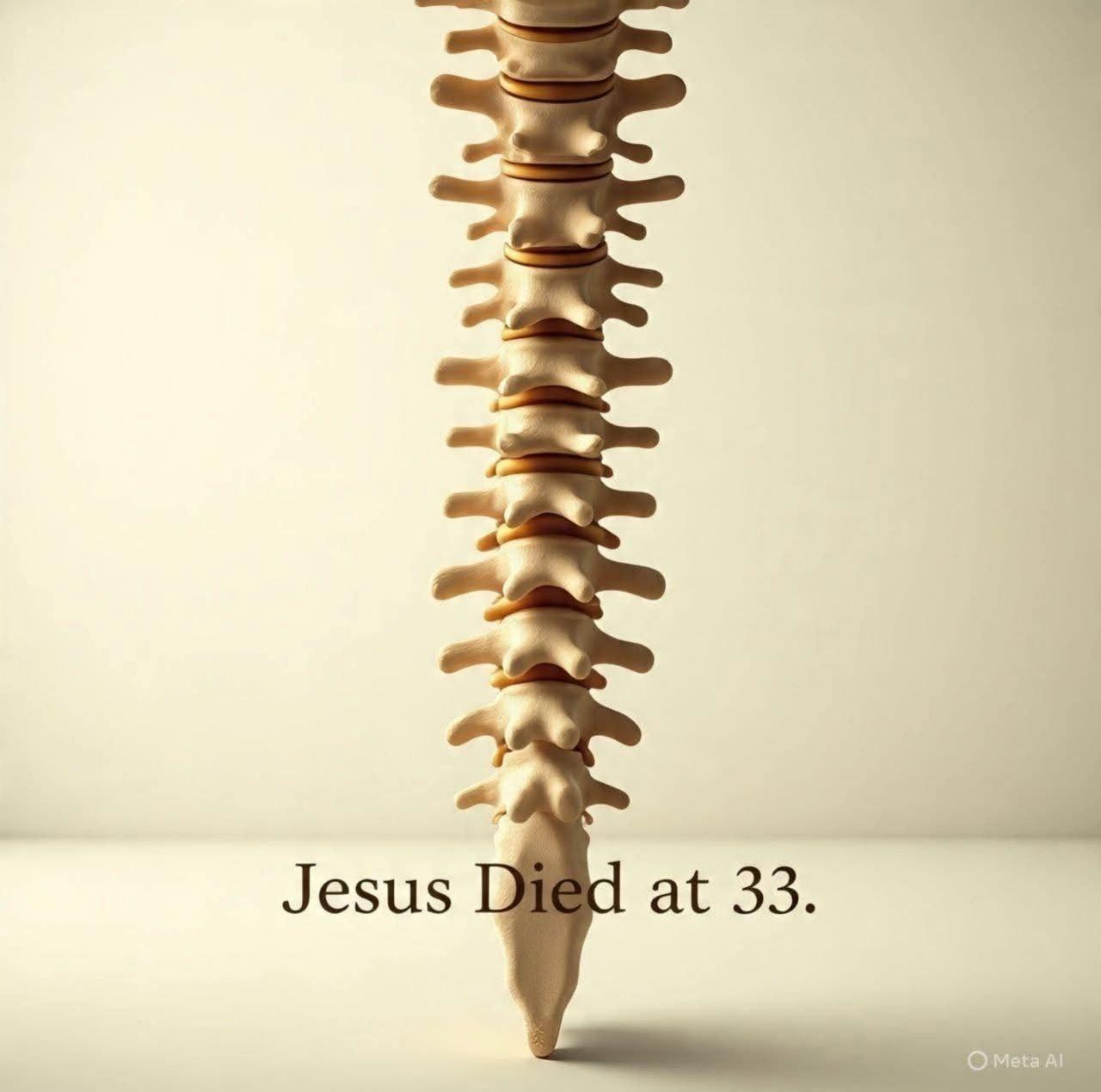
Fact-Checking the Viral Post Connecting Human Anatomy and the Bible
Posted by Luke J. Wilson on 19th August 2025 in Fact-Checking | biology,anatomy,apologetics,fact-checking,Facebook
...s God’s wisdom and artistry. But we don’t need to stretch science or twist theology to see that. The truth is already more than enough....
Powered by WebBoss.io 3.7.1
Copyright © 2026 The Sacred Faith: Timeless Truths for Modern Minds. All Rights Reserved.
