Blog Search Results


Did you mean:
christ
?
169 results for Christ
found
within the Blog
6 displayed out of 169 (0.05seconds)Page 4 of 29

It's no longer about land!
Posted by Luke J. Wilson on 16th August 2014 in Israel | Israel,war,politics,current events,Hamas,Gaza,promised land,New Covenant,spirit and truth,worship,new creation
As I've been thinking more about the Israel situation, and reading and hearing the responses and debates on my last article, and the issue in general, it seems to me that people can't help but get stuck in the mindset of a geo-political debate. Yes, there's a place called "Israel" in the middle-east, and yes there's a war going on which is terrible for all involved — but from a New Testament Christian perspective, that shouldn't be our focus when it comes to thinking about the true Israel!
This is what it's about!
If you want to "support Israel" because you believe they are in the right or have 'just cause', then fine – just don't cal...
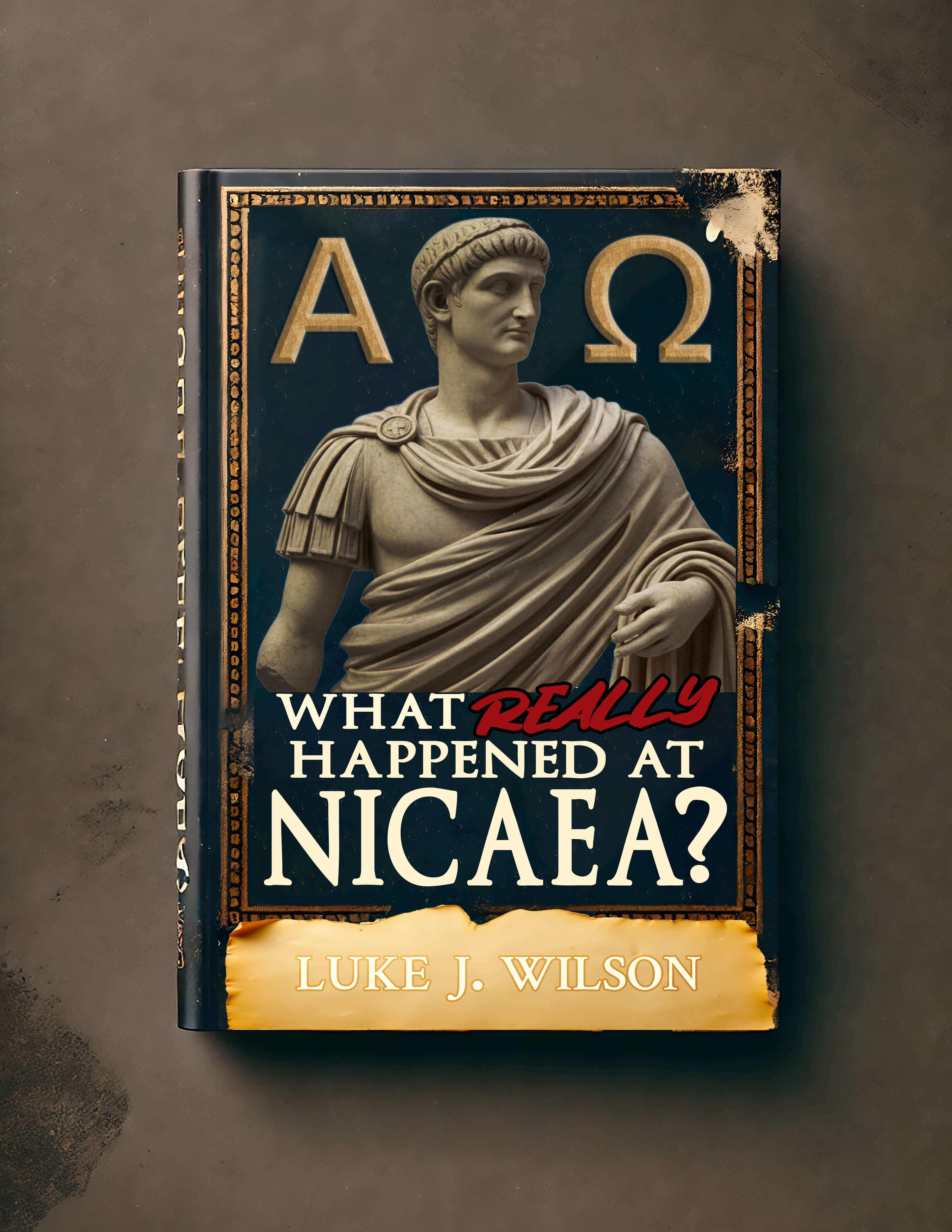
Did the Early Church invent the Trinity?
Posted by Luke J. Wilson on 4th January 2022 in Trinity | early church,trinity,church fathers,theology,council of nicaea,nicea council
...nonsense. Christians have recognised the divinity of Jesus since the earliest times, even if they didn’t use the word “Trinity”.
First use of the word “Trinity”
The word Trinity was first used as early as A.D. 170 by Theophilus of Antioch, a Patriarch of Antioch, when writing about the creation account and how it relates to the nature of God:
In like manner also the three days which were before the luminaries, are types of the Trinity, of God, and His Word, and His wisdom. And the fourth is the type of man, who needs light, that so there may be God, the Word, wisdom, man. — Theophilus, Of the Fourth Day, Chapter XV
Then in the early third ce...
Melchizedek to Jesus: The Divine Thread of Bread and Wine
Posted by Luke J. Wilson on 27th June 2024 in Eucharist | eucharist,Melchizedek,bread of life
...at we, as Christians, continue to partake in today until Jesus returns.
Melchizedek: Priest and King
Melchizedek appears in Genesis 14:18–20, where he is described as the king of Salem and a priest of the Most High God. His encounter with Abram (Abraham) is brief but significant. He brings out bread and wine and blesses Abraham. He then responds by giving Melchizedek a tenth of everything. Both of these acts point to aspects of the Law, tithes and sacrifices, which at this point in time had not yet been given, which leaves us with more unanswered questions regarding what this priesthood of Melchizedek was (and its origins), and also why Abraham would give a...
Understanding the Ultimate Ransom
Posted by Luke J. Wilson on 22nd June 2024 in Salvation | redemption,ransom,salvation,Psalms,prosperity gospel
...ption. As Christians, this message resonates deeply with our understanding of salvation through Christ’s sacrifice.
The Cost of Redemption
The Psalmist’s lament about the futility of relying on wealth for redemption points to a universal human condition: the insufficiency of human efforts to secure eternal life. The idea that “no ransom avails for one’s life, there is no price one can give to God for it.” (v.7) highlights that redemption is beyond human capacity and ability. The price is too high, and no payment is ever enough to achieve eternal life or to avoid corruption. This recognition of human limitation prepares us to appreciate the magnitude...
Lent Day 33: Cyril of Jerusalem: Catechetical Lectures: Lecture XXII
Posted by Luke J. Wilson on 7th April 2017 in Lent | Lent,great lent,fasting,early church fathers,devotional,daily reading,Doctor of the Church,lectures,liturgy,catechism,Bishop of Jerusalem,Eucharist,Communion,Real Presence,Transubstantiation
...Day Thirty-three: St. Cyril of Jerusalem: Catechetical Lectures: Lecture XXII
Who: Bishop of Jerusalem and Doctor of the Church, born about 315; died probably 18 March, 386. Little is known of his life, except from his younger contemporaries, Epiphanius, Jerome, and Rufinus, as well as from the fifth-century historians, Socrates, Sozomen and Theodoret.
What: Each of the lectures deal with a different topic to teach converts the mysteries of the Church, particularly: rites of the renunciation of Satan and his works, of anointing with oil, of baptism, of anointing with the holy chrism, and of partaking of the body and blood of Christ.
Why: Cyril delivered to ne...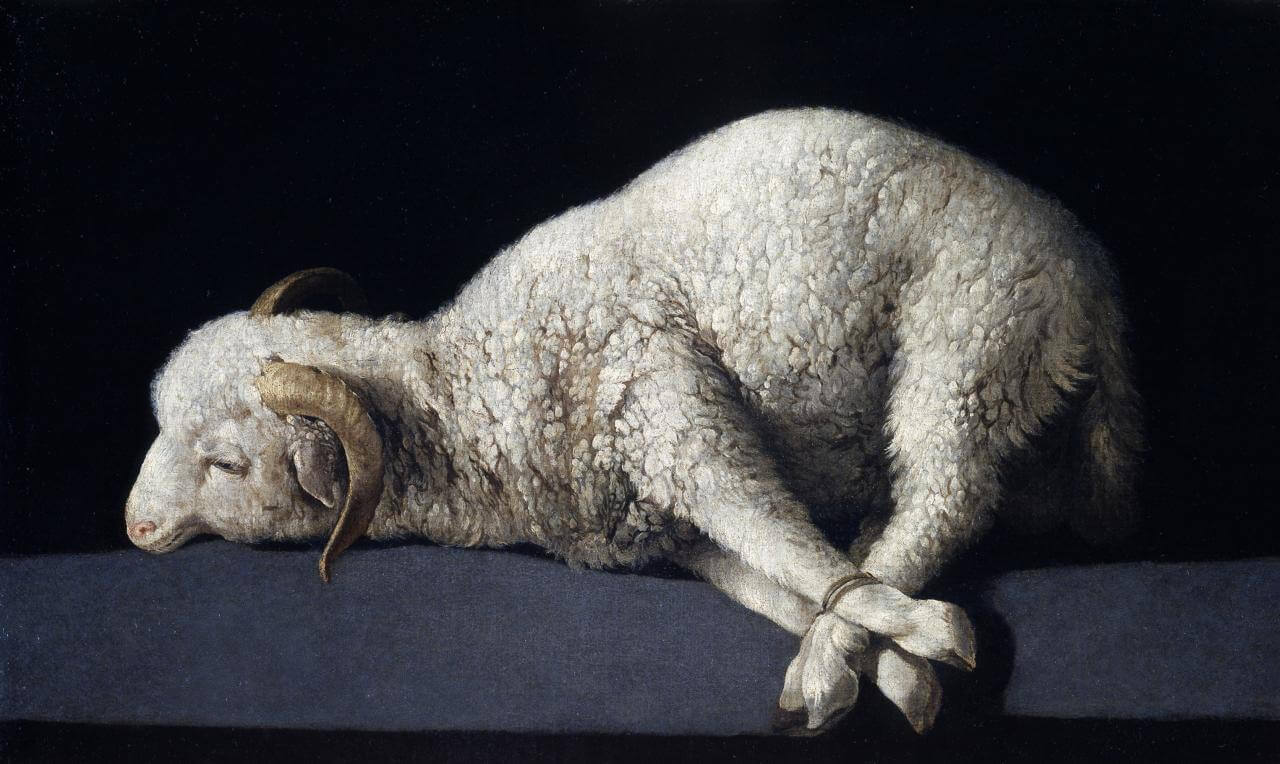
How was Jesus a sacrifice?
Posted by Luke J. Wilson on 25th March 2018 in Lent | sacrifice,sabbath,crucifixion,passover lamb,paschal lamb,sin,death,Palm Sunday
...nd now by Christ's blood that covers us, we are saved from eternal death (Hebrews 9:11- 14)!
Paul covers this topic of sin as our master which we are slaves to quite often (Romans 6:16-18), and how through Jesus we have been set free by being baptised into his death, so that we are dead to sin and alive in Christ (Romans 6:4-6).
Romans 6:11
So you also must consider yourselves dead to sin and alive to God in Christ Jesus.
Sin was what led us to death, and the whole of the Law of God pointed this out: sin equals death (Romans 6:20-23). But now as Peter wrote, we “were ransomed from the futile ways inherited from your ancestors”, though not with money...
Powered by WebBoss.io 3.7.1
Copyright © 2026 The Sacred Faith: Timeless Truths for Modern Minds. All Rights Reserved.