
Blog Search Results


85 results for google home
found
within the Blog
6 displayed out of 85 (0.29seconds)Page 4 of 15
What does the word "Catholic" mean?
Posted by Luke J. Wilson on 8th March 2021 in Etymology | catholic,church fathers,church history,etymology,roman catholic,eastern orthodox,Great Schism,Muratorian Fragment
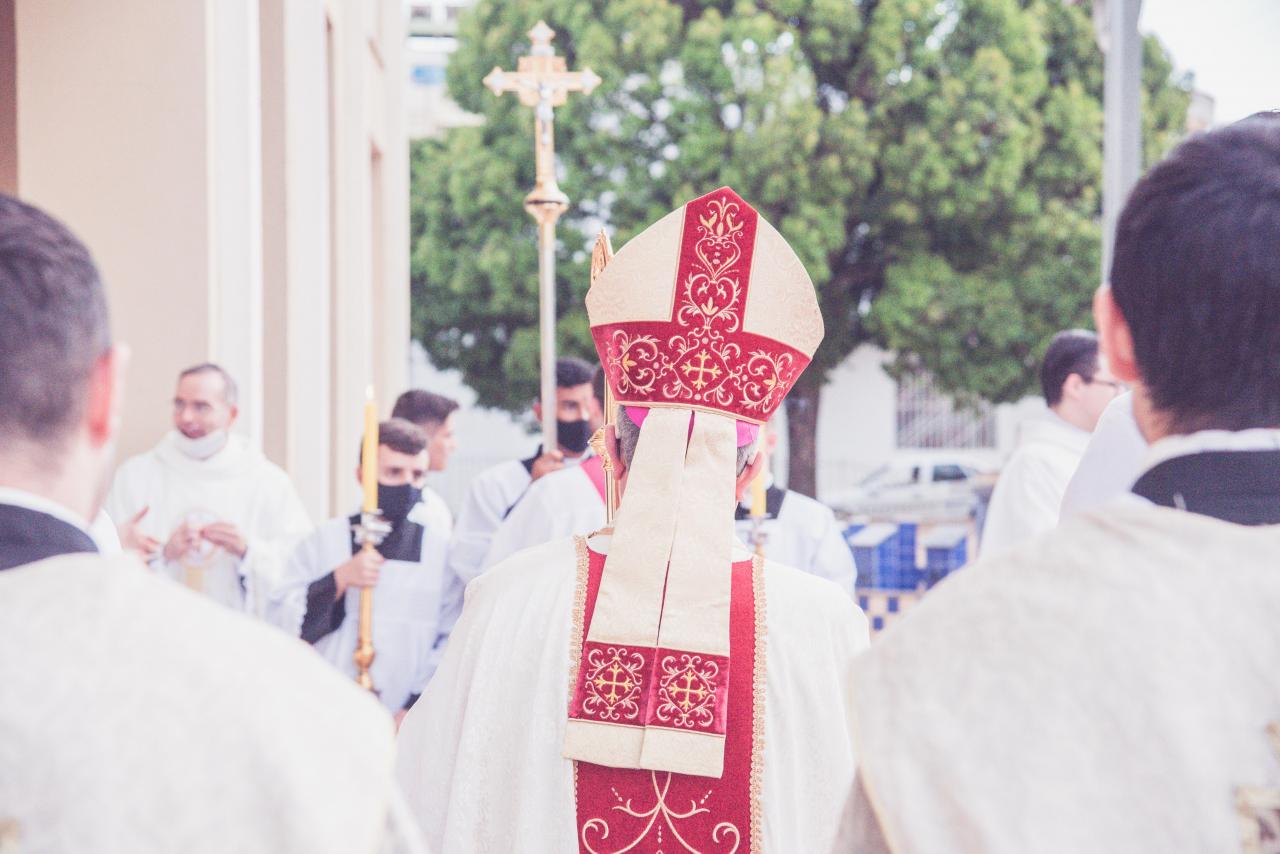
For many people today, non-Christians and (low church) Christians alike, when they hear the word “Catholic”, certain images spring to mind: the Pope, the rosery, Catholic school, big old churches buildings, choirboys, maybe monks or statues of Mary even; and sadly more recently, sex abuse scandals.
But, generally speaking, all of these are actually aspects of Roman Catholicism — a particular branch of Christianity, and not what the word “catholic” truly means as we’ll see when examining how the early church used the word and what the original Greek word means.
καθολικός (katholikos)
The Greek word where we get the English word “c...
The Real St. Nicholas: A Man of Virtue, Not Violence
Posted by Luke J. Wilson on 7th December 2024 in Christmas | arianism,nicea council,nicene council,st nicholas,history,church fathers,church history
When we think of St. Nicholas, two contrasting images often emerge: the cheerful, gift-giving Santa Claus and the fiery bishop who supposedly punched Arius at the Council of Nicaea. The latter story, popularised through memes and tales of “righteous anger,” portrays Nicholas as a defender of truth through violence. But how much of this tale is rooted in fact?
St Nicholas of Myra slapping Arius at the Council of Nicaea.Fresco from the Soumela Monastery (Turkey)
The truth is both simpler and more profound: St. Nicholas embodied the teachings of Christ, not through impulsive acts of aggression, but through a life of love, generosity, and devotion.
Sepa...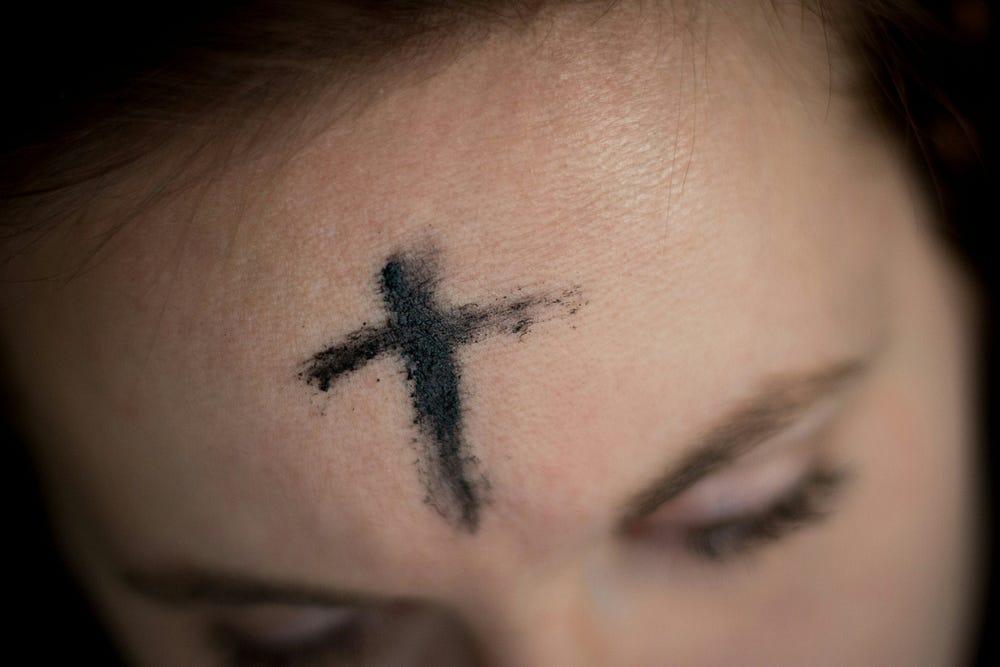
From Dust to Redemption: The Meaning of Ash Wednesday
Posted by Luke J. Wilson on 5th March 2025 in Lent |
Ash Wednesday marks the beginning of Lent, a season of repentance, fasting, and preparation for Easter in the Christian calendar. It is observed by many Western Christian traditions, including the Roman Catholic Church, Anglican Communion, Lutheran churches, and some Methodist and Reformed communities. The day falls 46 days before Easter Sunday and is always on a Wednesday.
Origins and Historical Development
The practice of Ash Wednesday can be traced back to the early centuries of Christianity, though its formal observance developed over time. The use of ashes as a sign of repentance has deep biblical roots, appearing frequently in the Old Testament. People w...
7 things the Lord hates (spoiler: questioning doctrine isn't one of them)
Posted by Luke J. Wilson on 2nd May 2014 in Christianity | gay marriage,homosexuality,Jars of Clay,Dan Haseltine,controversy,in the news,ethics,morality,justice
By now, most people (in Christian circles, at least) will have heard about the Jars of Clay controversy. For those that are thinking "how on earth could there be controversy over some jars?" let me clarify: they are a contemporary Christian music band. The controversy is because the frontman, Dan Haseltine, tweeted some thoughts on the topic of gay marriage.
Shocking, I know.
This is what started it all:
The treatment of people as less than human based on the color of skin is crazy... Or gender, or sexual orientation for that matter.
— Dan Haseltine (@scribblepotemus) April 21, 2014
Not meaning to stir things up BUT... I...
Biblical Inspiration and the Canon: How We Got the Bible
Posted by Luke J. Wilson on 28th February 2025 in Early Church | canon,nicea council,nicene council,myths,church history,church fathers
The Bible is often described as “God-breathed,” a phrase taken from 2 Timothy 3:16: “All scripture is inspired by God and is useful for teaching, for reproof, for correction, and for training in righteousness.” But what does it mean for Scripture to be “inspired,” and how did the books of the Bible come to be recognised as part of the canon — the authoritative collection of writings that make up the Bible? Were they really “decided” at the Council of Nicaea, as some popular myths claim?
Table of Contents
Understanding Biblical Inspiration
What is the Canon?
The Septuagint and the Deuterocanonical Books
How Were the Books of the Bi...
Was there death before the Fall?
Posted by Luke J. Wilson on 15th April 2014 in Death | Sheol,the Fall,Creation,Genesis,Adam and Eve,death,resurrection
It is often said and believed by many that our souls are immortal - that God gave us a spirit/soul that cannot die when he created us, and that death was not even a concept or reality before Adam and Eve sinned in the Garden of Eden. Despite this idea being a fairly "recent" concept (in terms of history and theology), and it stemming from Greek philosophy, it's also not supported by the Biblical text - especially in Genesis.
Lets look at the creation account in Gen 2:7—
then the Lord God formed man from the dust of the ground, and breathed into his nostrils the breath of life; and the man became a living being.
The word "being" in that verse, or "sou...
Powered by WebBoss.io 3.7.1
Copyright © 2026 The Sacred Faith: Timeless Truths for Modern Minds. All Rights Reserved.
