Blog Search Results


53 results for divine pushishment
found
within the Blog
6 displayed out of 53 (0.69seconds)Page 5 of 9
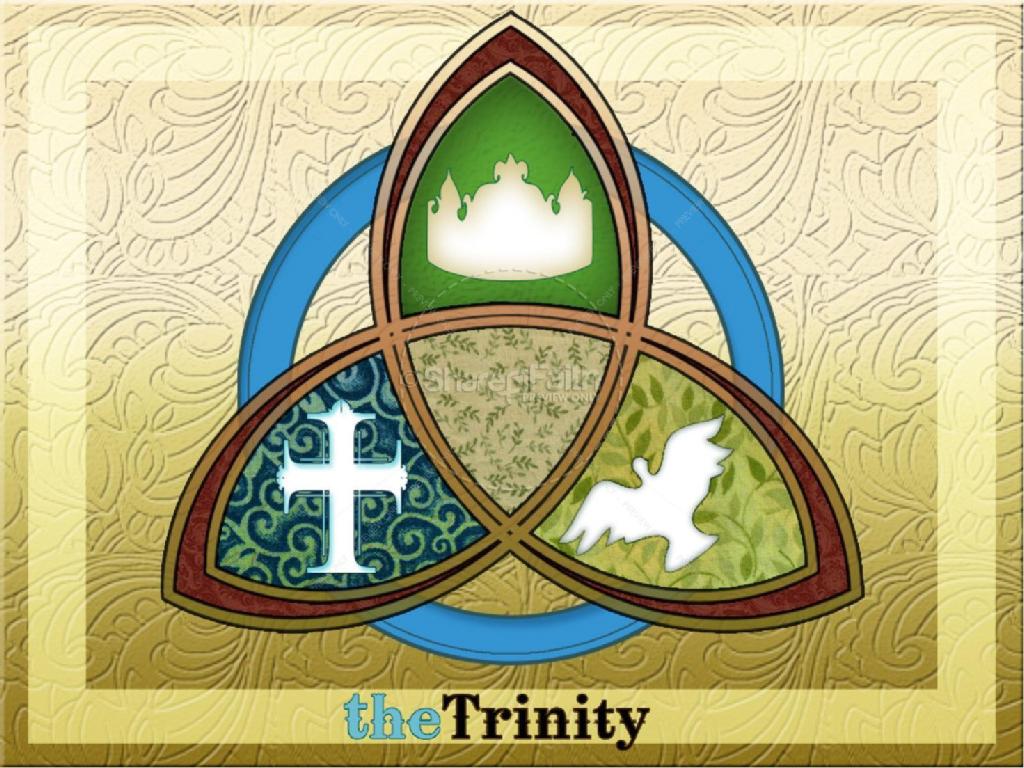
The Battle for the Trinity: Historical Heresies and Church Defences
Posted by Luke J. Wilson on 1st July 2024 in Trinity | trinity,heresy,heretics,theology,creeds
The Trinity is a cornerstone of Christian faith, defining God as one Being in three Persons: Father, Son, and Holy Spirit. However, throughout history, various misunderstandings and false teachings — known as heresies — have arisen, challenging this core doctrine. Understanding these heresies can strengthen our faith and deepen our appreciation for the truths held by the Church since its earliest days.
What Is the Trinity?
Before diving into the heresies, let’s briefly review what we mean by the Trinity. The Christian doctrine of the Trinity teaches that God is one essence in three distinct Persons:
The Father: The Creator and sustainer of al...
On the Feast of the Nativity, a sermon by Leo the Great
Posted by Luke J. Wilson on 22nd December 2018 in Christmas | nativity,christmas,xmas,leo the great,sermon
In the days leading up to Christmas, I wanted to share a sermon from a man known as Leo the Great (aka Pope Leo I), who was a Pope from 440-61 AD. He was one of the most significant and important men in Christian antiquity, as he tried to combat the heresies which seriously threatened church unity in the West, such as Pelagianism. This sermon of his about the incarnation of Christ and what it means for us has always stuck with me since I first read it last April when writing my own book on the Early Church Fathers.
It's not that long, so take the time to read it through and let the words sink in as we prepare for Christmas to remember and celebrate the birth...
Lent Day 28: Athanasius: Life of Anthony: Chaps. 71-80
Posted by Luke J. Wilson on 1st April 2017 in Lent | Lent,great lent,fasting,early church fathers,devotional,daily reading,Athanasius,Bishop of Alexandria,Confessor,Doctor of the Church,Anthony the Great,miracles,Greek Philosophy,demons,healing,deliverance,the cross,foolishness of the cross
Day Twenty-eight: St. Athanasius: Life of Anthony: Chaps. 71-80
Who: Bishop of Alexandria; Confessor and Doctor of the Church; born c. 296; died 2 May, 373 AD. He was the main defender of orthodoxy in the 4th-century battle against the Arianism heresy. Certain writers received the title “Doctor” on account of the great advantage their doctrine had on the whole Church, Athanasius especially for his doctrine on the incarnation.
What: The biography of Anthony the Great’s life, which helped to spread the concept of Christian monasticism, particularly in Western Europe.
Why: From the letter’s own prologue: “The life and conversation of our holy Father...
What did Jesus actually sacrifice?
Posted by Luke J. Wilson on 18th March 2018 in Lent | Jesus,Jesus death,sacrifice,Jesus sacrifice,atheist,meme,flogging,crucifixion,Godhead,eternal consequences
Sometimes the question, or accusation/criticism maybe, is posed by atheists and critics of Christianity that Jesus didn’t really sacrifice anything because he is God and also because he got his life back three days later. So where’s the sacrifice if you know that what you give up will be given back, and given back even better than you previously had it?
It’s an interesting question, and one that should cause us to stop and think about what we, as Christians, say to non-believers in case the question is ever given to us. Most people will say Jesus gave up his life for us – but is that such a big deal if he knew he’d have it back in three days; and th...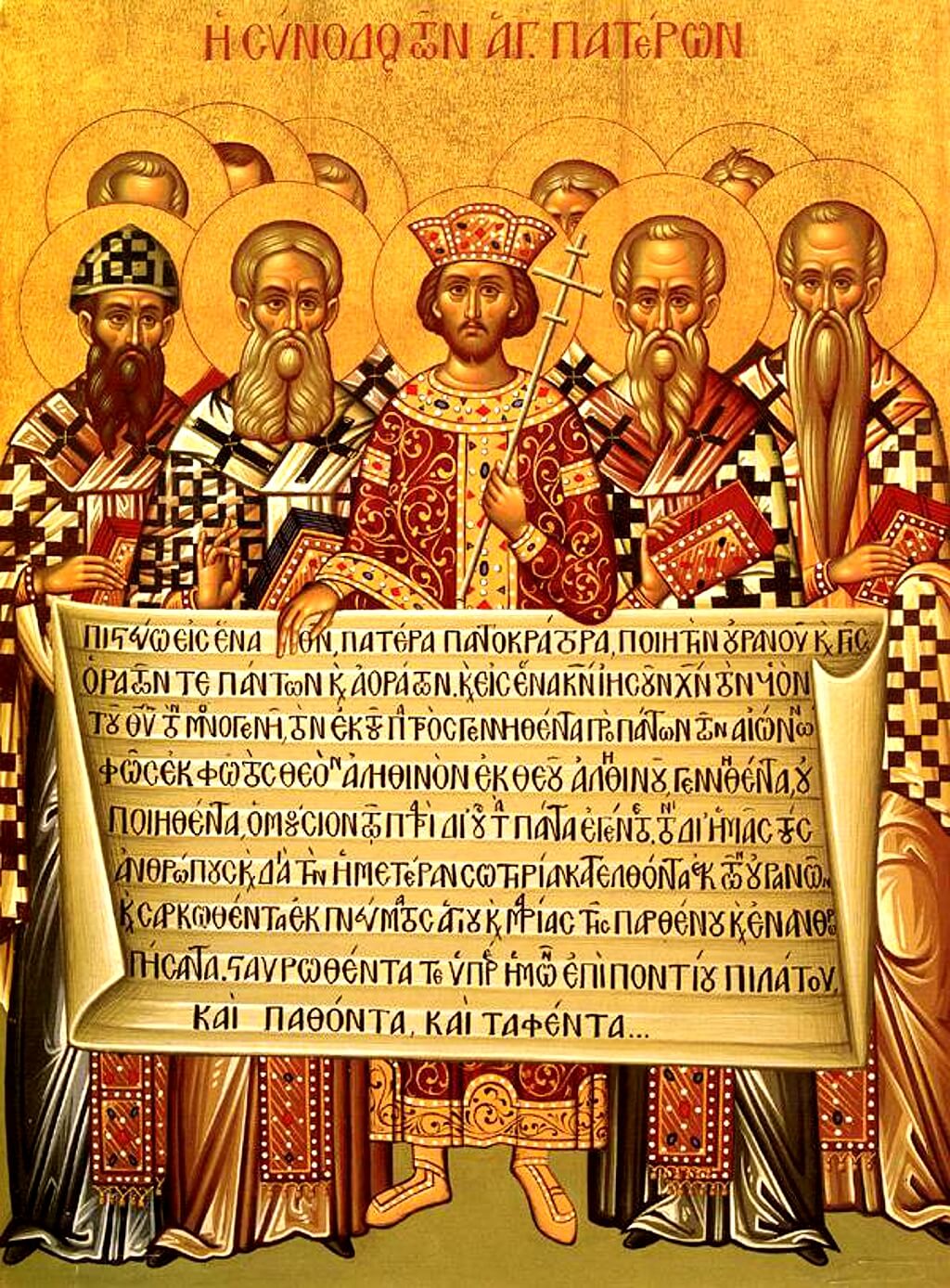
Creedal Christians: The Nicene Creed
Posted by Luke J. Wilson on 2nd June 2019 in Early Church | nicene creed,nicea council,creeds,creedal christians,creedal
The Nicene Creed — what is it and why is it called that?
This creed gets its name from a time and place: the first ecumenical Church council held at Nicaea, which is now known as İznik in northwestern Turkey, in 325 AD.
Now that may raise another question for you: what is an ecumenical council? Well, to explain more about the Nicene Creed, we are going to have to take a look at The First Council of Nicaea in order to better understand why this creed was written.
First things first though; an “ecumenical council” is ideally a Church-wide meeting where all the Bishops from all across the Church come together to hold a very large and very important meetin...
The Coming of Jesus: The Olivet Discourse – Part 1
Posted by Luke J. Wilson on 19th October 2014 in Second Coming Series | Second Coming,Return of Christ,Return of Jesus,Preterism,Prophecy,Last Days,Left Behind,Eschatology,Matthew 24,Olivet Discourse,birth pangs,Josephus,history
Hello again, it's been a while since I've wrote anything, and longer since getting back to this series on the Second Coming of Jesus. This isn't for lack of motivation, but rather because this is such a huge topic that I've been reading and thinking about this next part for a very long time to make sure I know what I'm saying, and am well read enough to do the topic justice. Having said that, there will always be far more to say on this than I can give time for here, but I hope to give enough of an overview to expound this prophecy faithfully without being too technical as to cause confusion! You can also catch up on the previous parts...
Powered by WebBoss.io 3.7.1
Copyright © 2026 The Sacred Faith: Timeless Truths for Modern Minds. All Rights Reserved.