
Blog Search Results


103 results for end of the age
found
within the Blog
6 displayed out of 103 (0.49seconds)Page 5 of 18
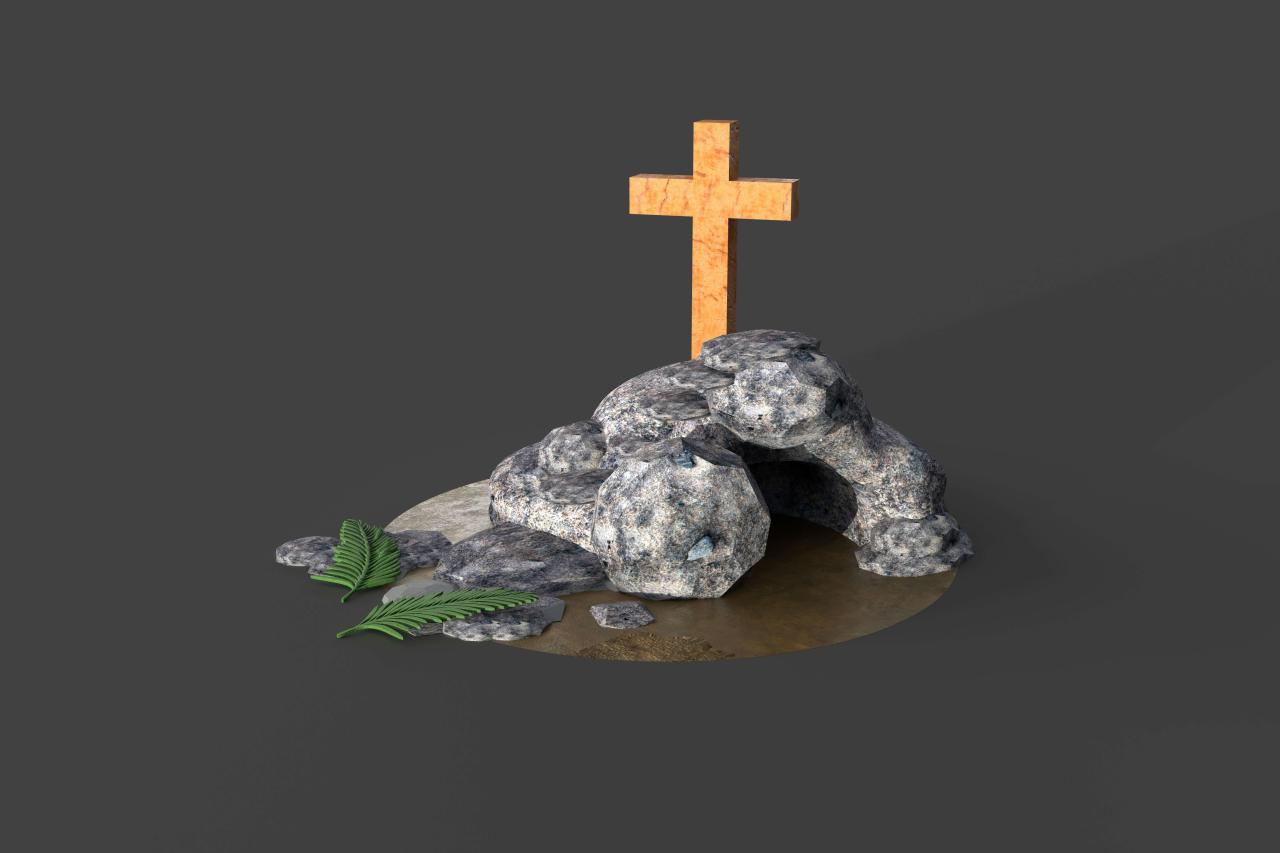
Does Easter Have Pagan Origins?
Posted by Luke J. Wilson on 22nd March 2021 in Easter | Easter,easter sunday,early church,church history,paganism,pagan roots,Ishtar,Eostre,fertility goddess
Much like any major Christian holiday, there are the usual arguments and accusations about how it’s all just pagan festivities with a “Christian mask”. Easter is no different, and usually gets hit the hardest over its so-called “pagan roots”, or in the month or so preceding it, Lent being some “invention of the Catholic Church”.
Table of Contents
the Lenten Fast
the Easter controversy and why we celebrate it when we do
Is the Name “Easter” really the Anglo-Saxon goddess Eostre?
Chocolate eggs and bunnies?
Concluding Thoughts
Further Reading and Sources
I like to try and observe Lent, as it is one of the most ancient custom...
What is Contemplative Prayer?
Posted by Luke J. Wilson on 9th February 2016 in Prayer | contemplation,prayer,meditate,meditation,waiting on the Lord,silence,Christian meditation,Lectio Divina
In the quiet, still silence, I await my God.
there seems to be some misgivings about the idea of “contemplative prayer” (also referred to as Christian Meditation) and in some of the descriptions I've read, I would agree that it can seem iffy.
Contemplation, or sometimes known as Lectio Divina, is in its most basic form, the idea and practice of waiting on the Lord. often in silence or while you ponder on scripture or when you seek an answer or just to rest in his presence and have your strength renewed.
there are some people who think that this means “emptying your mind” and doing something akin to occultism, and ope...
Lent Day 28: Athanasius: Life of Anthony: Chaps. 71-80
Posted by Luke J. Wilson on 1st April 2017 in Lent | Lent,great lent,fasting,early church fathers,devotional,daily reading,Athanasius,Bishop of Alexandria,Confessor,Doctor of the Church,Anthony the Great,miracles,Greek Philosophy,demons,healing,deliverance,the cross,foolishness of the cross
Day Twenty-eight: St. Athanasius: Life of Anthony: Chaps. 71-80
Who: Bishop of Alexandria; Confessor and Doctor of the Church; born c. 296; died 2 May, 373 AD. He was the main defender of orthodoxy in the 4th-century battle against the Arianism heresy. Certain writers received the title “Doctor” on account of the great advantage their doctrine had on the whole Church, Athanasius especially for his doctrine on the incarnation.
What: the biography of Anthony the Great’s life, which helped to spread the concept of Christian monasticism, particularly in Western Europe.
Why: From the letter’s own prologue: “the life and conversation of our holy Father...
Lent: Day 12 - Justin Martyr: First Apology, Chaps. 1-11
Posted by Luke J. Wilson on 14th March 2017 in Lent | Lent,great lent,fasting,early church fathers,devotional,daily reading,Justin Martyr,apologetics
Day Twelve: St. Justin Martyr: First Apology, Chaps. 1-11
Who: Justin Martyr was a Philosopher who converted to Christianity and became a tireless evangelist and apologist. Justin wrote more Christianity than any other person prior to his time. He is classified herein as Eastern, since he a native of Samaria and his thought patterns were Eastern. However, he spent the last years of his life in Rome, where he was executed as a martyr (c. 165).
What: An apologetic (defence) essay to explain what Christians believe and do.
Why: Justin is demanding the Emperor to investigate accusations and unjust persecution against Christians so that they at least may face a f...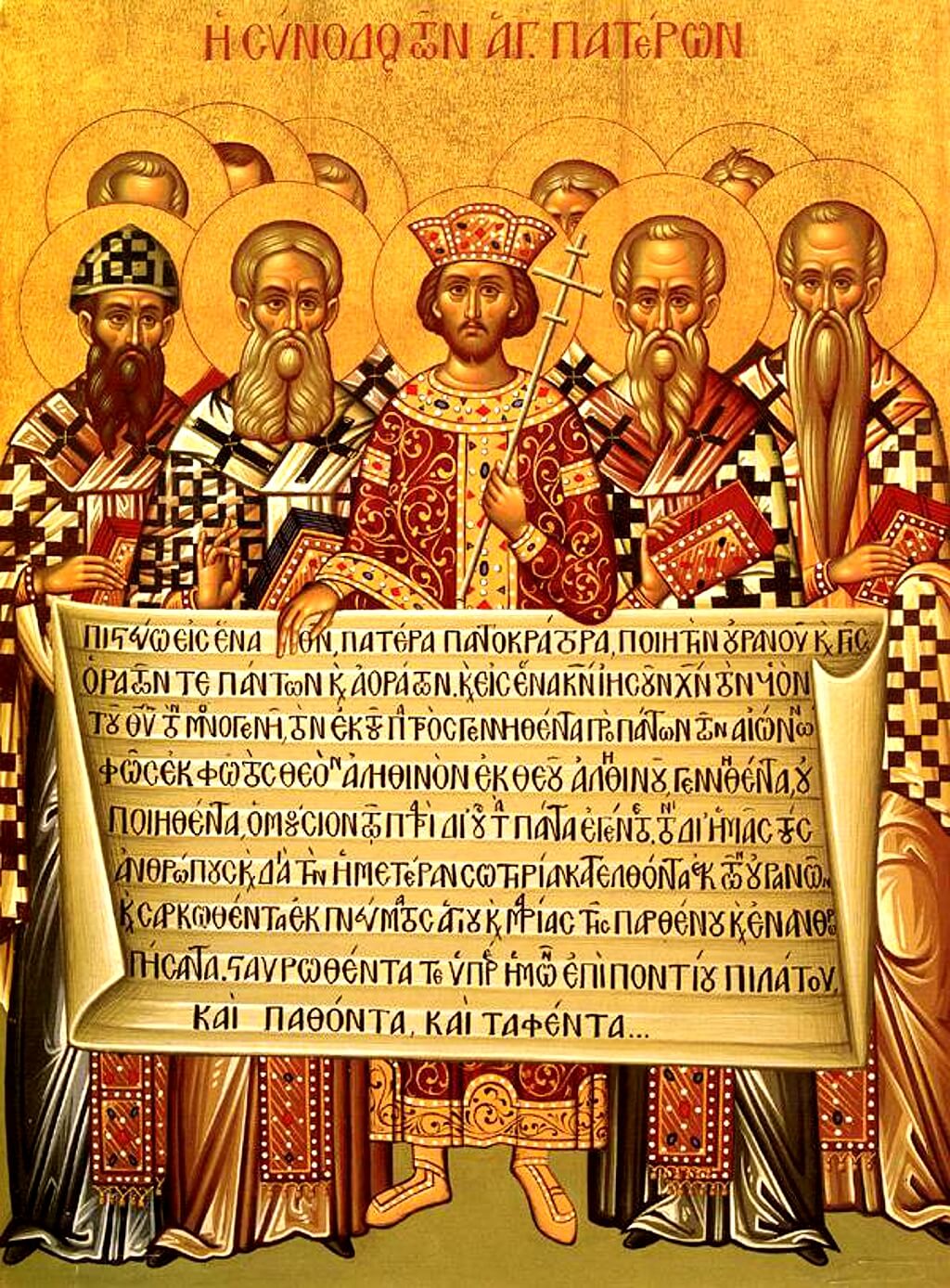
Creedal Christians: the Nicene Creed
Posted by Luke J. Wilson on 2nd June 2019 in Early Church | nicene creed,nicea council,creeds,creedal christians,creedal
the Nicene Creed — what is it and why is it called that?
This creed gets its name from a time and place: the first ecumenical Church council held at Nicaea, which is now known as İznik in northwestern Turkey, in 325 AD.
Now that may raise another question for you: what is an ecumenical council? Well, to explain more about the Nicene Creed, we are going to have to take a look at the First Council of Nicaea in order to better understand why this creed was written.
First things first though; an “ecumenical council” is ideally a Church-wide meeting where all the Bishops from all across the Church come together to hold a very large and very important meetin...
the Temptations of Jesus: Complacency
Posted by Luke J. Wilson on 11th March 2018 in Lent | temptation,wilderness,lent,devil,satan,angels
So now we are at the end of the temptations that Jesus endured in the desert, and I wanted to look at what happens at the end. So often I think this aspect is overlooked when we read of this time in Scripture. Let’s take a look at the text:
Matthew 4:11then the devil left him, and suddenly angels came and waited on him.
Luke 4:13When the devil had finished every test, he departed from him until an opportune time.
the two Gospel accounts both give us a varying perspective with different details. Afterwards, the devil leaves and angels “suddenly” come. This is almost a temptation in itself; one to think we are all good and safe now we've won the battl...
Powered by WebBoss.io 3.7.1
Copyright © 2026 The Sacred Faith: Timeless Truths for Modern Minds. All Rights Reserved.
