
Blog Search Results


33 results for heresy
found
within the Blog
6 displayed out of 33 (0.02seconds)Page 5 of 6

Creedal Christians: The Apostle's Creed
Posted by Luke J. Wilson on 11th October 2018 in Early Church | creedal christians,creeds,creedal,apostles,apostolic creed,apostolic tradition,rule of faith,early church fathers,early church
...sition to heresy so that the Church could point to what was historically taught by Christ and the Apostles to show what was ancient and true, as opposed to new and “novel” doctrines.
The Old Roman Creed
The text of the Old Roman Creed survives in a letter from a bishop Marcellus of Ancyra, which was sent to Julius, the bishop of Rome, dating back to around 340–360 AD where it was mainly used as a baptismal text in the Roman church. Roughly 50 years later, Tyrannius Rufinus (an Italian monk) wrote a commentary on this creed whilst translating it into Latin, where he made a note about the view and belief that this creed had been originally written or dete...
Did a Roman Catholic priest perform 'invalid' baptisms for years?
Posted by Luke J. Wilson on 21st February 2022 in Roman Catholicism | early church,early church fathers,Donatism,baptism,Vatican
...Donatist heresy and not relevant to bring up. But take a look at what Augustine pointed out when discussing priests who may have “[uttered] some words of error” with regards to sanctifying the waters of baptism:
…if over some he offers an erroneous prayer, God is present to uphold the words of His gospel… [for] He Himself consecrates His sacrament. (Augustine, On Baptism VI, 25:47)
As I mentioned earlier, the only time he would also agree that the words said in baptism matter is when it comes to the name in which a person is baptised:
Clearly, if the baptism is not consecrated in the name of the Father, and of the Son, and of the Holy Ghost, it shou...
Melchizedek to Jesus: The Divine Thread of Bread and Wine
Posted by Luke J. Wilson on 27th June 2024 in Eucharist | eucharist,Melchizedek,bread of life
...e docetic heresy, who said, “they confess not the Eucharist to be the flesh of our Saviour Jesus Christ” (Smyrnaeans, VII) and he even calls it the “medicine of immortality” in his letter to the Ephesians; to Justin Martyr (c.150) who explained that is it not received as “common bread and common drink” and that “our blood and flesh by transmutation are nourished” (First Apology, LXVI).
Jerome also recognises a connection with Melchizedek, when he says, “After the type had been fulfilled by the Passover celebration and He had eaten the flesh of the lamb with His Apostles, He takes bread which strengthens the heart of man, and goes on to the t...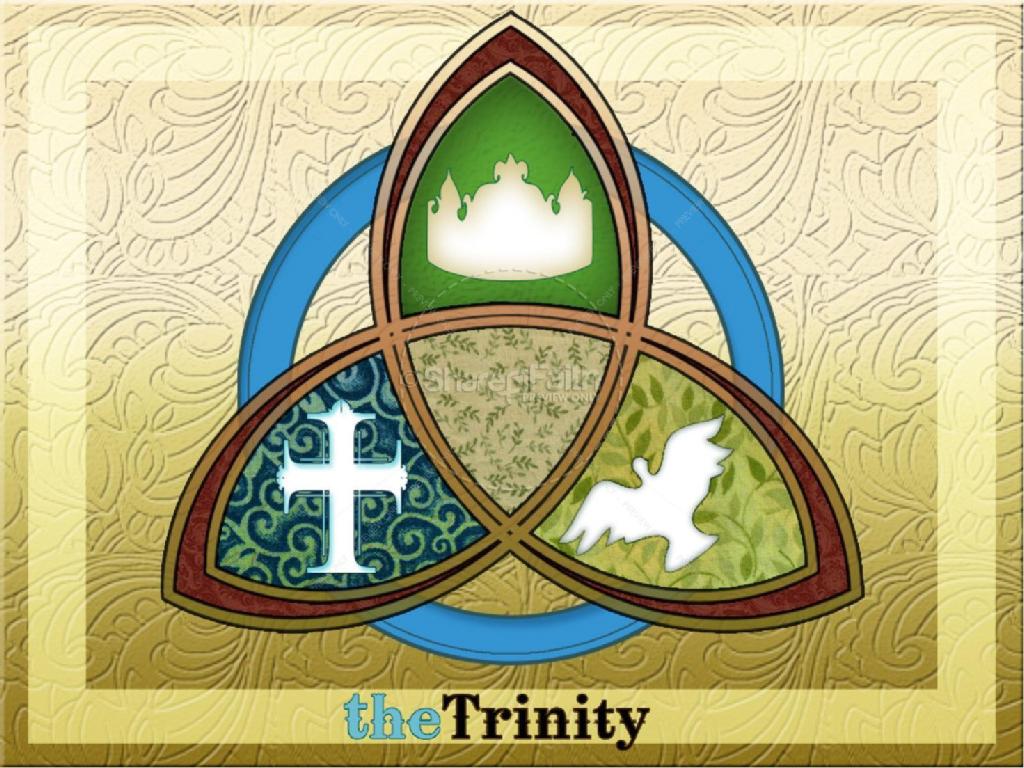
The Battle for the Trinity: Historical Heresies and Church Defences
Posted by Luke J. Wilson on 1st July 2024 in Trinity | trinity,heresy,heretics,theology,creeds
...The Trinity is a cornerstone of Christian faith, defining God as one Being in three Persons: Father, Son, and Holy Spirit. However, throughout history, various misunderstandings and false teachings — known as heresies — have arisen, challenging this core doctrine. Understanding these heresies can strengthen our faith and deepen our appreciation for the truths held by the Church since its earliest days.
What Is the Trinity?
Before diving into the heresies, let’s briefly review what we mean by the Trinity. The Christian doctrine of the Trinity teaches that God is one essence in three distinct Persons:
The Father: The Creator and sustainer of al...
The Real St. Nicholas: A Man of Virtue, Not Violence
Posted by Luke J. Wilson on 7th December 2024 in Christmas | arianism,nicea council,nicene council,st nicholas,history,church fathers,church history
...e face of heresy. His life of service suggests that he likely did.
A regular meme I see online annually
The True St. Nicholas
The real St. Nicholas is remembered for his compassion, humility, and selfless love. Legends of him secretly providing dowries for poor families, rescuing sailors in peril, and helping the unjustly accused paint a picture of a man deeply committed to Christlike living.
Rather than resorting to force, St. Nicholas lived out the Gospel through acts of generosity and care. His actions reflected the spirit of Jesus’ words in John 13:35: “By this everyone will know that you are my disciples, if you have love for one another.”
S...
Why Read The Early Church Fathers?
Posted by Luke J. Wilson on 8th December 2017 in Early Church | church history,daily devotional,daily reading,early church,early church fathers,new book,amazon
...s against heresy and helped to continue and shape the Church in its most formative years.
Some of the earlier Christian leaders of the 2nd Century were discipled and taught by the Apostles themselves. Those include Clement of Rome, Ignatius of Antioch and Polycarp of Smyrna. Still others in mid-2nd century were then taught by those who knew the men who were taught by some of the Apostles. One of the more well-known Bishops who was second generation to the Apostles was Irenaeus (best known for his extensive apologetic works, Against Heresies).
From chapter 21 onward in my book, I look at a few writers from beyond this period (around 356) up until AD 449 where...
Powered by WebBoss.io 3.7.1
Copyright © 2026 The Sacred Faith: Timeless Truths for Modern Minds. All Rights Reserved.
