
Blog Search Results


55 results for doctrine
found
within the Blog
6 displayed out of 55 (0.03seconds)Page 6 of 10

Lent Day 33: Cyril of Jerusalem: Catechetical Lectures: Lecture XXII
Posted by Luke J. Wilson on 7th April 2017 in Lent | Lent,great lent,fasting,early church fathers,devotional,daily reading,Doctor of the Church,lectures,liturgy,catechism,Bishop of Jerusalem,Eucharist,Communion,Real Presence,Transubstantiation
...Presence doctrine, diametrically opposed to the view that it is purely symbolic.
Cyril argues against the doubt by referencing the wedding at Cana and how Jesus turned water into wine by asking, “is it incredible that He should have turned wine into blood?”
The Real Presence
So then, with “full assurance” that something miraculous takes place during the Eucharist, let us partake of this most holy meal, “for in the figure of Bread is given to you His Body, and in the figure of Wine His Blood” so that we may also become the “same body and the same blood with Him”, since what we eat is then distributed throughout our own bodies. By this happeni...
Lent Day 37: Leo the Great: Letter XXVIII (called the "Tome")
Posted by Luke J. Wilson on 12th April 2017 in Lent | Lent,great lent,fasting,early church fathers,devotional,daily reading,Doctor of the Church,lectures,Tome,Leo the Great,St Leo,hypostatic union,deity of christ,heresy,Pope Leo I
...on to his doctrine. “But what more iniquitous”, Leo says, “than to hold blasphemous opinions, and not to give way to those who are wiser and more learned than ourself?”
Leo is quite scathing actually, and doesn’t hold back on denouncing the man or his teaching:
Now into this unwisdom fall they who, finding themselves hindered from knowing the truth by some obscurity … thus they stand out as masters of error because they were never disciples of truth...
He goes on to wonder how Eutyches could not have been corrected by others or more in depth study, or even want to change his view when even the the Creeds say otherwise, which is the measure b...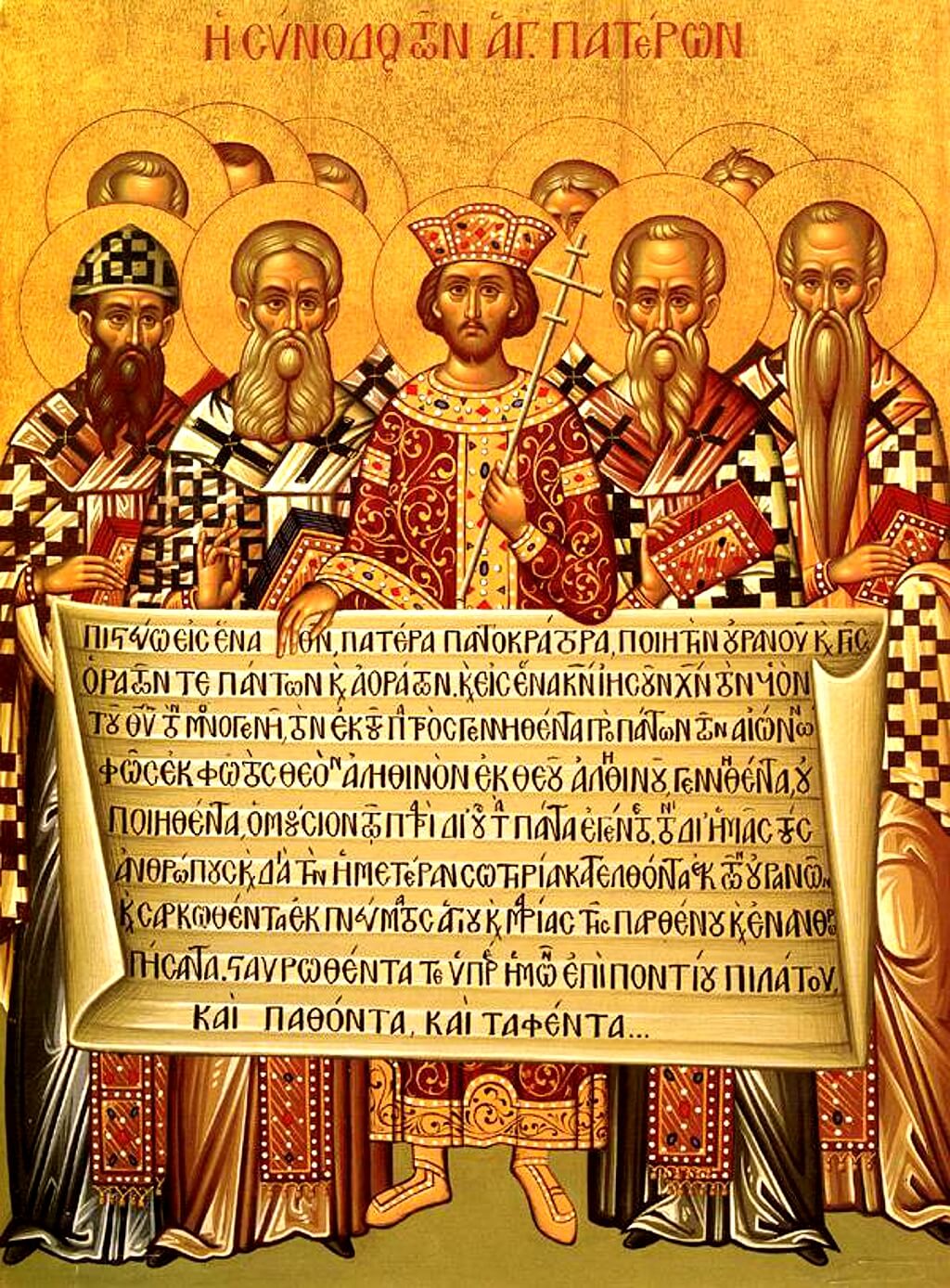
Creedal Christians: The Nicene Creed
Posted by Luke J. Wilson on 2nd June 2019 in Early Church | nicene creed,nicea council,creeds,creedal christians,creedal
...y and the doctrine of the Trinity. If you want to read more on the history of this controversy, Wikipedia has a large article on it with many references and sources to follow through on.
The Nicene Creed
In the table below, you will see the original creed from the Nicene Council, plus the additions from the Constantinople Council alongside the where these statements come from in Scripture, so that you can better see the development of this creed. The filioque is included in italics on its own line for clarity.
Nicene Creed (325)
Nicene-Constantinople Creed (381)
Scriptural Basis
We believe in one God,
We believe in one God,...
The Coming of Jesus: The Olivet Discourse – Part 1
Posted by Luke J. Wilson on 19th October 2014 in Second Coming Series | Second Coming,Return of Christ,Return of Jesus,Preterism,Prophecy,Last Days,Left Behind,Eschatology,Matthew 24,Olivet Discourse,birth pangs,Josephus,history
...with any doctrine or teaching on the "Second Coming" or "End Times", then these passages in the Gospels are most often quoted and used to say that Jesus is talking about a terrible time that is coming in the far, far, far off future, usually interpreted to mean within our lifetime (for some reason).
I, too, used to believe this as it was what I was taught in the churches I attended and told by the people I met, all with that eager expectation that Jesus could suddenly swoop down from the clouds any day now! What I didn't ever do was investigate these claims properly for myself, except read the parts of Scripture they said meant Jesus was coming in the futu...
Man-Made Tradition vs Apostolic Tradition
Posted by Luke J. Wilson on 28th February 2016 in Early Church | early church,early church fathers,tradition,creeds,nicene creed,apostolic creed,man made tradition,apostolic tradition
...Testament doctrine) which implies that there is more to learn apart from these things listed!
If we are serious about our faith and learning all we can in order to fully walk in the way of Christ and his Apostles, then we must consult our forefathers in the faith and learn from them, just as they learned from those who preceded them, and those before them all the way back to the Apostles and Christ himself.
The New Testament letters and Gospels serve as a basis for our faith and doctrine, and as an introduction to the traditions of the Apostles as we can see the things they did and said, and what they taught the churches. But Christianity didn’t (and doesn...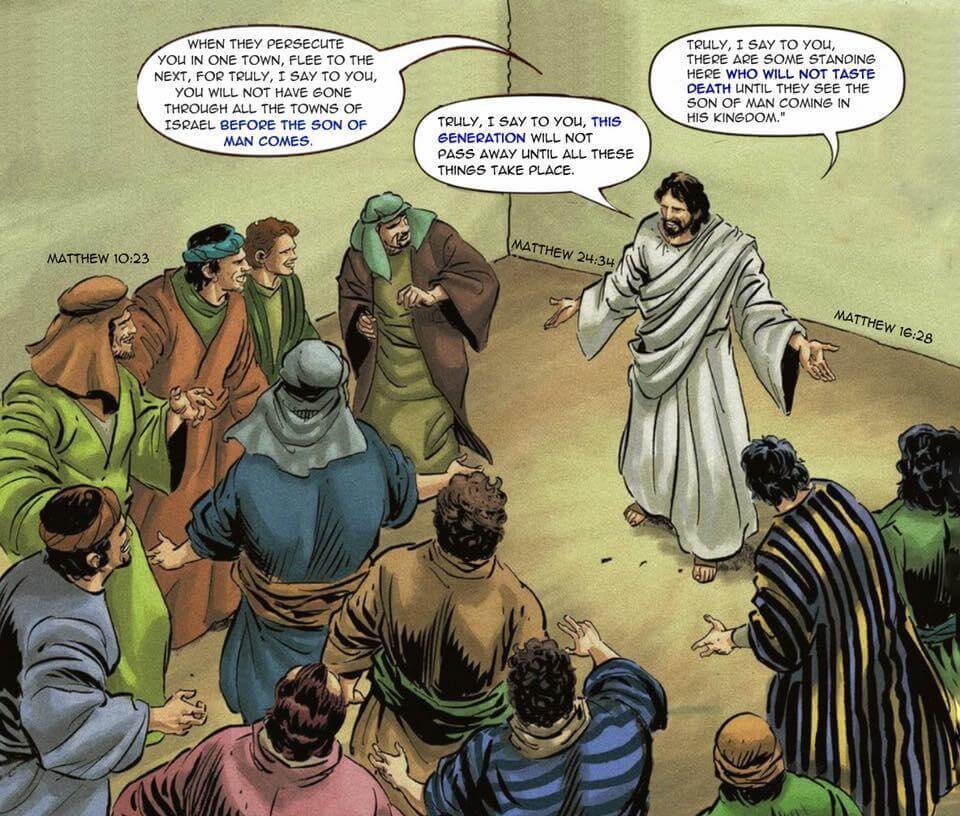
The Coming Kingdom of the Son of Man
Posted by Luke J. Wilson on 20th July 2016 in Eschatology | second coming,preterism,Kingdom of God,Coming kingdom,olivet discourse,Gospels,end times,end of the world,end of the age
...o force a doctrine (Futurism/Dispensationalism) into the text rather than let Scripture dictate doctrine.
Matthew 16:28
Matthew 16:28
The final quote in the image comes from Matt 16:28 where Jesus rounds off his dialogue foretelling his death and resurrection, and subsequent coming Kingdom. Taken in the context of verse 27, this again harkens back to the prophecy in Daniel 7 about the Son of Man coming into power with his eternal kingdom and the position of judgement he will have over the nations: "For the Son of Man is to come with his angels in the glory of his Father, and then he will repay everyone for what has been done" (v.27).
After saying t...
Powered by WebBoss.io 3.7.1
Copyright © 2026 The Sacred Faith: Timeless Truths for Modern Minds. All Rights Reserved.
