
Blog Search Results


Did you mean:
google home
?
83 results for Google Home
found
within the Blog
6 displayed out of 83 (0.69seconds)Page 9 of 14

Creedal Christians: Introduction
Posted by Luke J. Wilson on 29th September 2018 in Early Church | creeds,creedal Christians,creedal,early church,church history
I’m starting a new four part series over the coming weeks which will be looking at the different historical creeds of the Church which have been recited, used and handed down for two millennia, beginning with the very first formal creed: the Apostles Creed. This series will be a mixture of historical background plus a commentary on the creed itself to see where each statement is based in Scripture, and why we can trust them to accurately portray the Faith.
What are creeds and why should we accept them?
The word “creed” comes from the Old English crēda, and from Latin crēdo meaning “I believe”. A creed is basically a set of beliefs which you profess...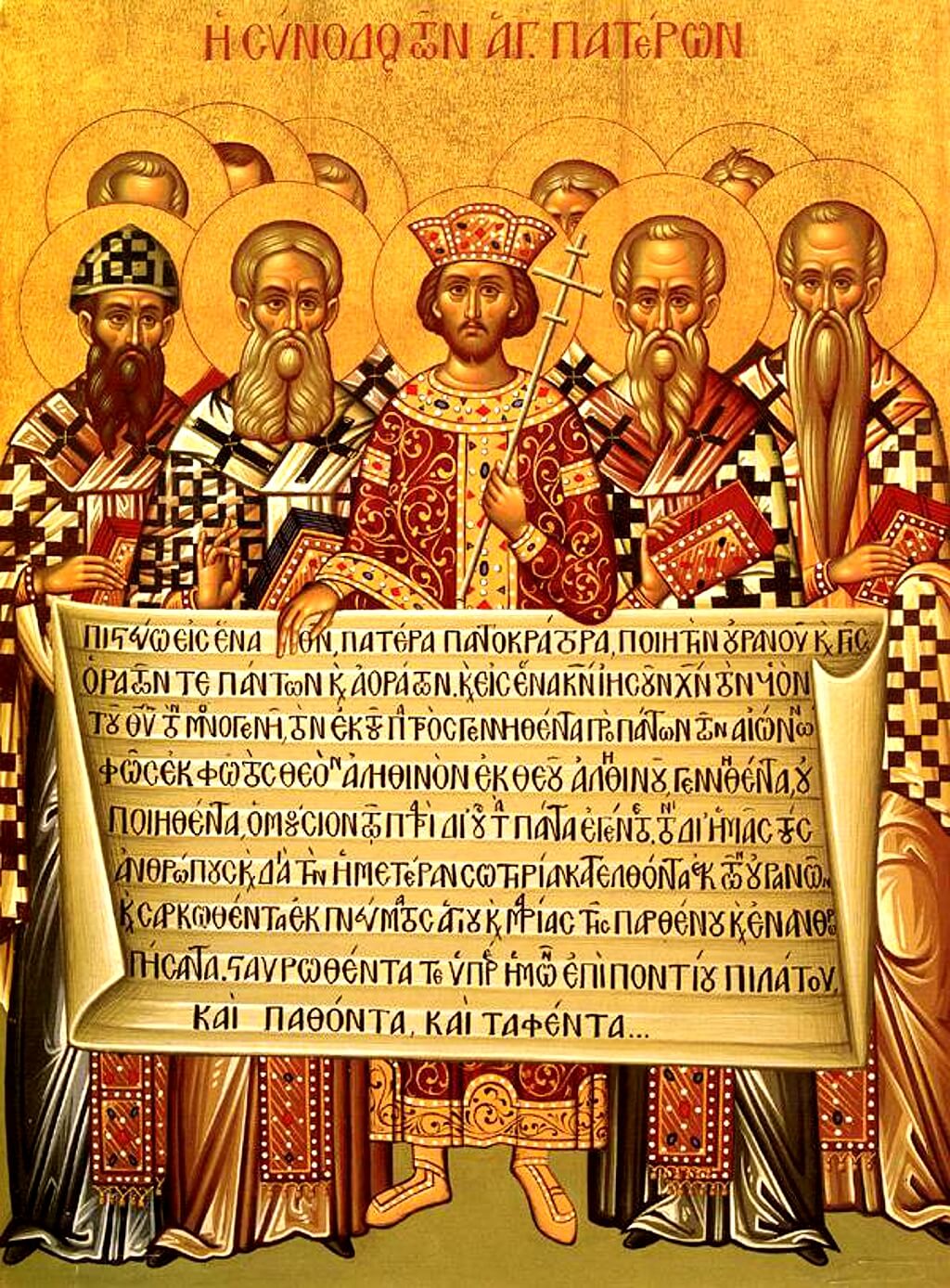
Creedal Christians: The Nicene Creed
Posted by Luke J. Wilson on 2nd June 2019 in Early Church | nicene creed,nicea council,creeds,creedal christians,creedal
The Nicene Creed — what is it and why is it called that?
This creed gets its name from a time and place: the first ecumenical Church council held at Nicaea, which is now known as İznik in northwestern Turkey, in 325 AD.
Now that may raise another question for you: what is an ecumenical council? Well, to explain more about the Nicene Creed, we are going to have to take a look at The First Council of Nicaea in order to better understand why this creed was written.
First things first though; an “ecumenical council” is ideally a Church-wide meeting where all the Bishops from all across the Church come together to hold a very large and very important meetin...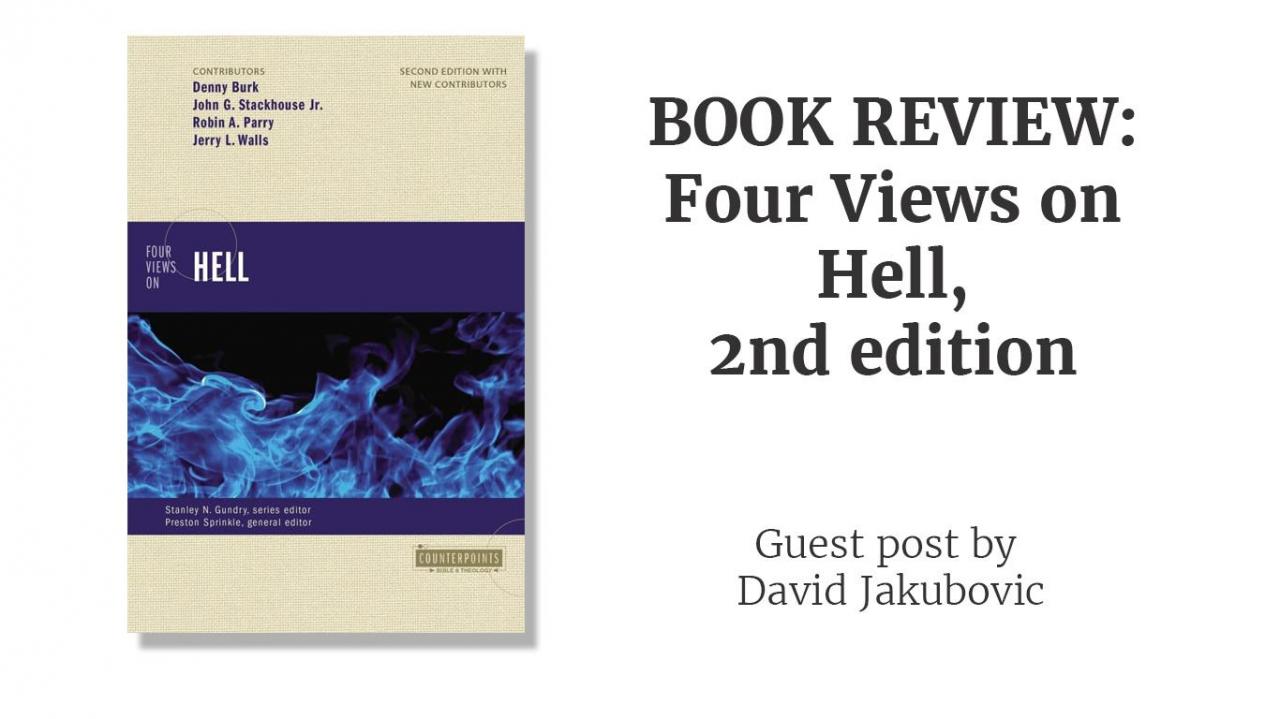
BOOK REVIEW: Four Views on Hell 2nd edition
Posted by David Jakubovic on 17th March 2021 in Book Review |
This is a guest post by David Jakubovic. The views are that of the author and don't necessarily reflect the views of That Ancient Faith.
A 20 year update of the 1996 book by the same name, this slim volume (211 pages) is a helpful cross-section of current evangelical thought on Final Punishment, sampling Denny Burk on Eternal Conscious Torment (ECT hereafter), John Stackhouse Jr on Conditional immortality (CI hereafter), Robin Parry on Christian Universalism (CU hereafter) and Jerry Walls on (a Protestant) Purgatory. Preston Sprinkle pens both Introduction and Conclusion, plus there are Scripture, Author and Subject indices.
The Introduction sets the scene,...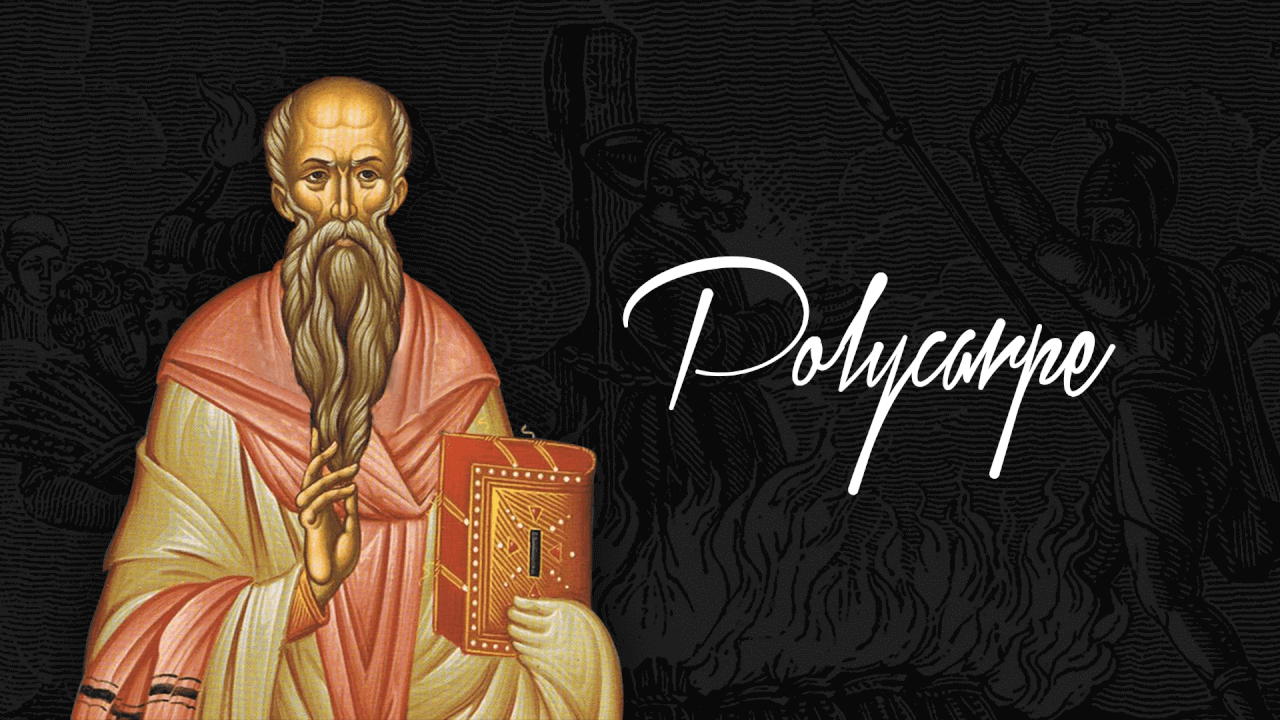
How Polycarp (And Others) Show The Early Use Of The New Testament
Posted by Luke J. Wilson on 21st November 2021 in Early Church | early church,early church fathers,polycarp,new testament,canon,biblical canon
Polycarp is one of the most important people in early church history. He was a disciple of John the Evangelist, and later became the bishop of Smyrna.
Polycarp was born around 69 A.D. in Smyrna, which is now modern-day Turkey. He grew up during a time when Christians were being persecuted for their beliefs, and he himself became a Christian at a young age. Polycarp is regarded as one of the earliest church fathers because he had a significant impact on Christianity as it spread throughout Asia Minor and Europe, and he also played an important role in shaping biblical canon for centuries to come.
We don’t know a great deal about his life, apart from t...
It's no longer about land!
Posted by Luke J. Wilson on 16th August 2014 in Israel | Israel,war,politics,current events,Hamas,Gaza,promised land,New Covenant,spirit and truth,worship,new creation
As I've been thinking more about the Israel situation, and reading and hearing the responses and debates on my last article, and the issue in general, it seems to me that people can't help but get stuck in the mindset of a geo-political debate. Yes, there's a place called "Israel" in the middle-east, and yes there's a war going on which is terrible for all involved — but from a New Testament Christian perspective, that shouldn't be our focus when it comes to thinking about the true Israel!
This is what it's about!
If you want to "support Israel" because you believe they are in the right or have 'just cause', then fine – just don't cal...
The Coming of Jesus: The Olivet Discourse – Part 1
Posted by Luke J. Wilson on 19th October 2014 in Second Coming Series | Second Coming,Return of Christ,Return of Jesus,Preterism,Prophecy,Last Days,Left Behind,Eschatology,Matthew 24,Olivet Discourse,birth pangs,Josephus,history
Hello again, it's been a while since I've wrote anything, and longer since getting back to this series on the Second Coming of Jesus. This isn't for lack of motivation, but rather because this is such a huge topic that I've been reading and thinking about this next part for a very long time to make sure I know what I'm saying, and am well read enough to do the topic justice. Having said that, there will always be far more to say on this than I can give time for here, but I hope to give enough of an overview to expound this prophecy faithfully without being too technical as to cause confusion! You can also catch up on the previous parts...
Powered by WebBoss.io 3.7.1
Copyright © 2026 The Sacred Faith: Timeless Truths for Modern Minds. All Rights Reserved.
