
Blog Search Results


60 results for bishop of carthage
found
within the Blog
6 displayed out of 60 (0.89seconds)Page 1 of 10

Lent Day 18: Cyprian: On the Unity of the Church: 1-9
Posted by Luke J. Wilson on 21st March 2017 in Lent | Lent,great lent,fasting,early church fathers,devotional,daily reading,Cyprian,bishop of carthage,unity
Day Eighteen: St. Cyprian: On the Unity of the Church: 1-9
Who: Third century bishop of carthage (in modern Tunisia), and martyr from Africa
What: A letter to encourage the unity of the church against schisms and heresy during massive Roman persecution
Why: A disturbance had happened in the church because of a priest called Novatian — a schismatic of the third century, and founder of the sect of the Novatians. Cyprian wrote to counter this and argues that there can only be one united Church, and the Novatian breakaway was a false church and that Novatian was an antipope.When: Around 249 AD
You can find today’s reading on page 92 here: lentfatherscomplete...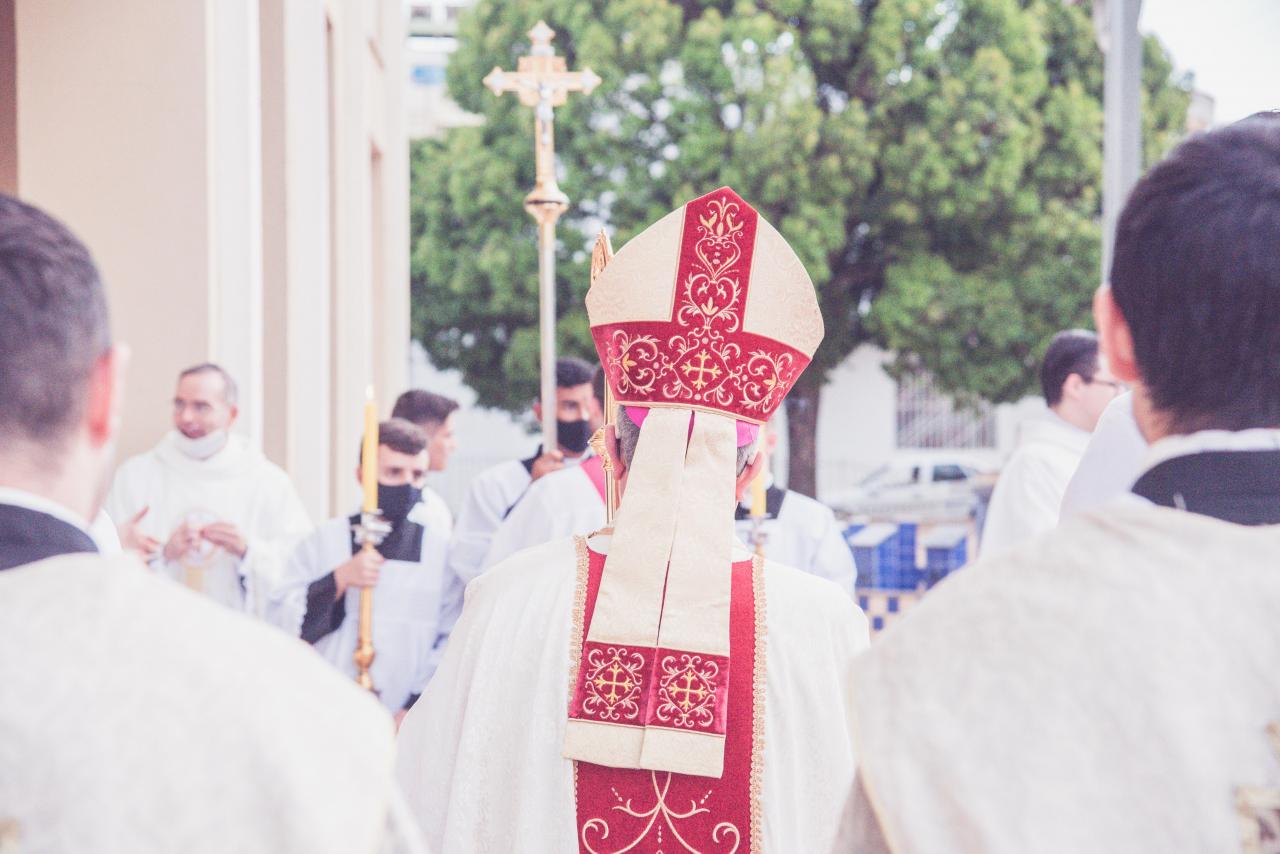
What does the word "Catholic" mean?
Posted by Luke J. Wilson on 8th March 2021 in Etymology | catholic,church fathers,church history,etymology,roman catholic,eastern orthodox,Great Schism,Muratorian Fragment
For many people today, non-Christians and (low church) Christians alike, when they hear the word “Catholic”, certain images spring to mind: the Pope, the rosery, Catholic school, big old churches buildings, choirboys, maybe monks or statues of Mary even; and sadly more recently, sex abuse scandals.
But, generally speaking, all of these are actually aspects of Roman Catholicism — a particular branch of Christianity, and not what the word “catholic” truly means as we’ll see when examining how the early church used the word and what the original Greek word means.
καθολικός (katholikos)
The Greek word where we get the English word “c...
Lent Day 19: Cyprian: On the Unity of the Church: 10-18
Posted by Luke J. Wilson on 22nd March 2017 in Lent | Lent,great lent,fasting,early church fathers,devotional,daily reading,Cyprian,bishop of carthage,unity
Day Nineteen: St. Cyprian: On the Unity of the Church: 10-18
Who: Third century bishop of carthage (in modern Tunisia), and martyr from Africa
What: A letter to encourage the unity of the church against schisms and heresy during massive Roman persecution
Why: A disturbance had happened in the church because of a priest called Novatian — a schismatic of the third century, and founder of the sect of the Novatians. Cyprian wrote to counter this and argues that there can only be one united Church, and the Novatian breakaway was a false church and that Novatian was an antipope.When: Around 249 AD
You can find today’s reading on page 97 here: lentfatherscomple...
Lent Day 20: Cyprian: On the Unity of the Church: 19-27
Posted by Luke J. Wilson on 23rd March 2017 in Lent | Lent,great lent,fasting,early church fathers,devotional,daily reading,Cyprian,bishop of carthage,unity
Day Twenty: St. Cyprian: On the Unity of the Church: 19-27
Who: Third century bishop of carthage (in modern Tunisia), and martyr from Africa
What: A letter to encourage the unity of the church against schisms and heresy during massive Roman persecution
Why: A disturbance had happened in the church because of a priest called Novatian — a schismatic of the third century, and founder of the sect of the Novatians. Cyprian wrote to counter this and argues that there can only be one united Church, and the Novatian breakaway was a false church and that Novatian was an antipope.When: Around 249 AD
You can find today’s reading on page 102 here: lentfatherscomple...
Man-Made Tradition vs Apostolic Tradition
Posted by Luke J. Wilson on 28th February 2016 in Early Church | early church,early church fathers,tradition,creeds,nicene creed,apostolic creed,man made tradition,apostolic tradition
Quite often in discussions which are about or involve some aspects of early church history or practices earlier Christians did, someone will inevitably throw out the "show stopper" that is "it's all just man made tradition" therefore not valid and the discussion is over. It’s as though saying it's "man made", without considering anything other than that they can't find an isolated chapter and verse in the bible which states something explicitly, means they've "won" the debate!
Nothing more to see here folks, someone told us it's man made so we can all go home now. Either that, or the mere mention of the word “tradition” and suddenly you’re accused of be...
Before The Pumpkins: Faith In The Flames
Posted by Luke J. Wilson on 25th October 2025 in Halloween | polycarp,martyrdom,halloween
Picture the scene: the year is somewhere around 155–160, Polycarp has just been arrested and brought to the city. The crowd roared in the stadium. The smell of sweat and fear mingled with the dust of Smyrna’s arena. And in the centre of it all stood an old man — calm, unflinching, his face marked with years of faith. The Roman proconsul urged him again: “Swear by the fortune of Caesar. Curse Christ, and I will release you.”
Polycarp looked him in the eye and replied with a defiant response that has echoed down the ages,
Eighty and six years I have served Him, and He has done me no wrong. How can I blaspheme my King who saved me?
Those words hav...
Powered by WebBoss.io 3.7.1
Copyright © 2026 The Sacred Faith: Timeless Truths for Modern Minds. All Rights Reserved.
