
Blog Search Results


131 results for born again
found
within the Blog
6 displayed out of 131 (0.29seconds)Page 17 of 22

Lent: Day 9 - Ignatius to the Philadelphians
Posted by Luke J. Wilson on 10th March 2017 in Lent | Lent,great lent,fasting,early church fathers,devotional,daily reading,Ignatius,Ignatius of Antioch: Letter to the Philadelphians,Law,Judaizers,judaism
Day Nine: St. Ignatius of Antioch: Letter to the Philadelphians (full text)
Who: Ignatius converted at a young age and later became Bishop of Antioch. A friend of Polycarp and fellow disciple of John, there is a long standing tradition that Ignatius was the child that Jesus held in his arms and blessed in Mark 10:13-16
What: As usual, a general call to remain in unity and heed their bishop. Also to avoid listening to Judaizers who would have them follow the Law.
Why: Ignatius wrote a series of letters to the churches in Asia Minor whilst en route to Rome to face martyrdom by wild beasts in the Colosseum around 108 AD.
When: Around 107-108 AD
As with the re...
Biblical Inspiration and the Canon: How We Got the Bible
Posted by Luke J. Wilson on 28th February 2025 in Early Church | canon,nicea council,nicene council,myths,church history,church fathers
The Bible is often described as “God-breathed,” a phrase taken from 2 Timothy 3:16: “All scripture is inspired by God and is useful for teaching, for reproof, for correction, and for training in righteousness.” But what does it mean for Scripture to be “inspired,” and how did the books of the Bible come to be recognised as part of the canon — the authoritative collection of writings that make up the Bible? Were they really “decided” at the Council of Nicaea, as some popular myths claim?
Table of Contents
Understanding Biblical Inspiration
What is the Canon?
The Septuagint and the Deuterocanonical Books
How Were the Books of the Bi...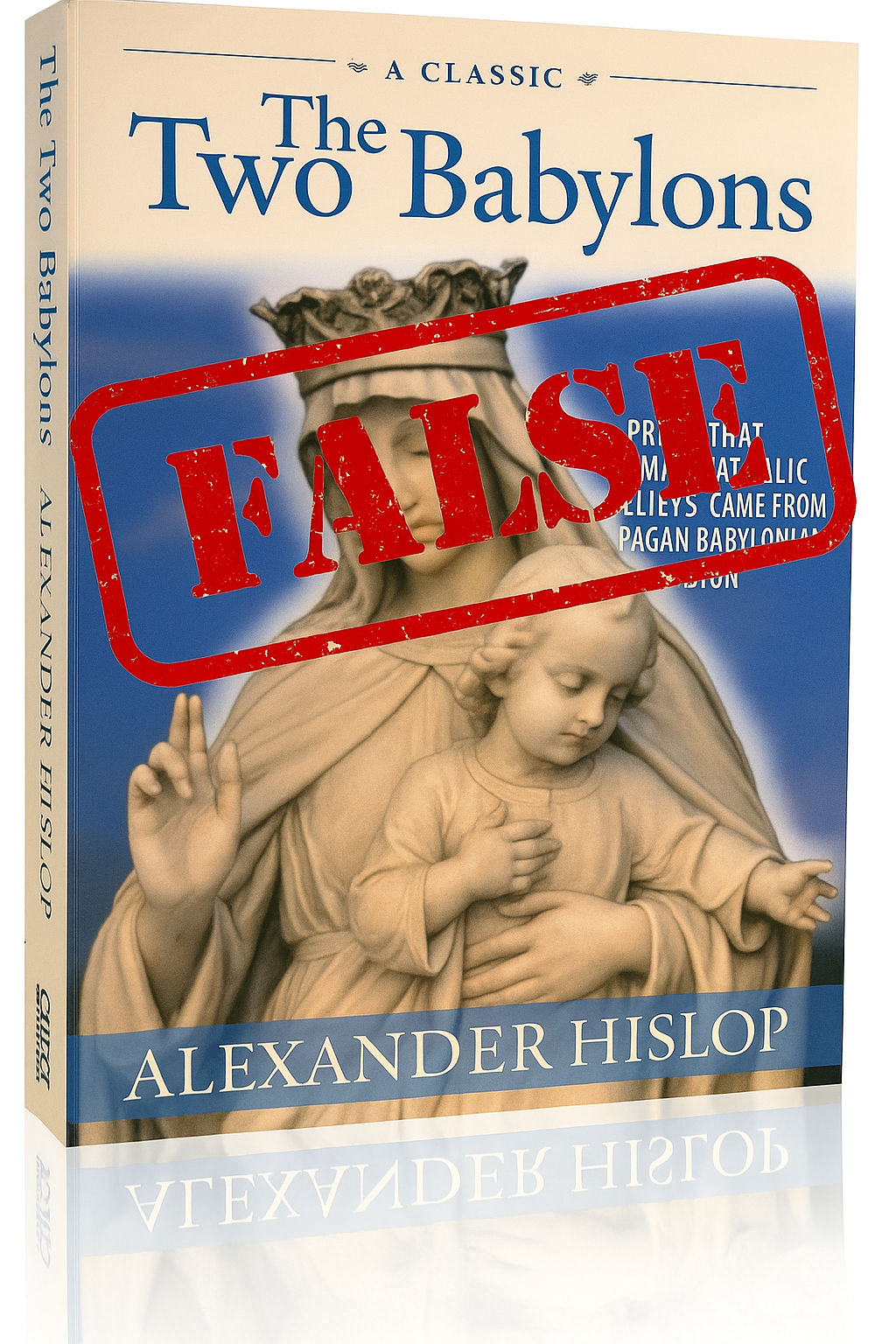
The Two Babylons Exposed: The Book That Misled Millions
Posted by Luke J. Wilson on 21st April 2025 in Easter |
Over the years, I’ve encountered many Christians who’ve quoted from Alexander Hislop’s The Two Babylons as if it were a solid historical resource. The book claims that the Roman Catholic Church is not truly Christian but rather a continuation of ancient Babylonian religion. It’s self-assured and sweeping, and for many people, it seems to explain everything, from Marian devotion to Lent and Easter, to Christmas, as rooted in paganism. But is it accurate?
In short: no, it really isn’t.
Hislop’s work is a classic example of 19th-century pseudohistory — a polemical piece, written to prove a point, not to explore any historical truth.
Flawed Meth...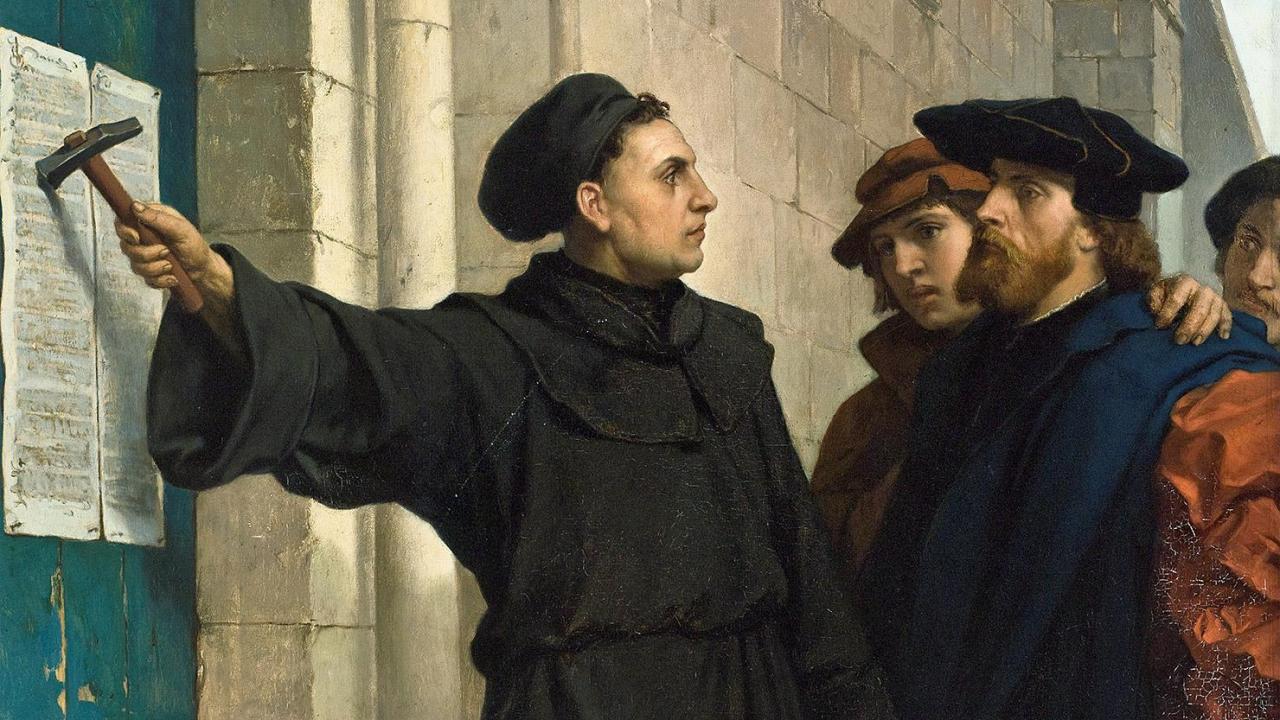
Nails, Theses, and Myth: The Truth About Luther's Famous Door
Posted by Luke J. Wilson on 5th June 2025 in Blogging | reformation,Luther,Protestantism,roman catholic
As we commemorated the 500th anniversary of the Protestant Reformation this year, the familiar image of Martin Luther striding up to the church door in Wittenberg — hammer in hand and fire in his eyes — has once again taken centre stage. It’s a compelling picture, etched into the imagination of many. But as is often the case with historical legends, closer scrutiny tells a far more nuanced and thought-provoking story.
The Myth of the Door: Was the Hammer Ever Raised?
Cambridge Reformation scholar Richard Rex is one among several historians who have challenged the romanticised narrative. “Strangely,” he observes, “there’s almost n...
Kirk Cameron And The Biblical Case For Annihilationism
Posted by Luke J. Wilson on 15th December 2025 in Hell | annihilationism,conditional immortality,Kirk Cameron,hell,controversy,controversial topics
Christian conversations about hell have never been especially calm, but the recent online reaction to Kirk Cameron’s comments in favour of annihilationism has been particularly revealing. Social media has erupted with accusations of heresy, doctrinal collapse, and theological compromise.
It’s the “Rob Bell Incident” all over again (if anyone remembers that).
The infamous John Piper tweet about Rob Bell
A lot of comments I saw were wondering what Ray Comfort thinks of this, as he and Kirk worked closely together in ministry for about 25 years, and while Ray wasn’t as dismissive as John Piper was of Rob Bell, he still calls out Kirk’s new vi...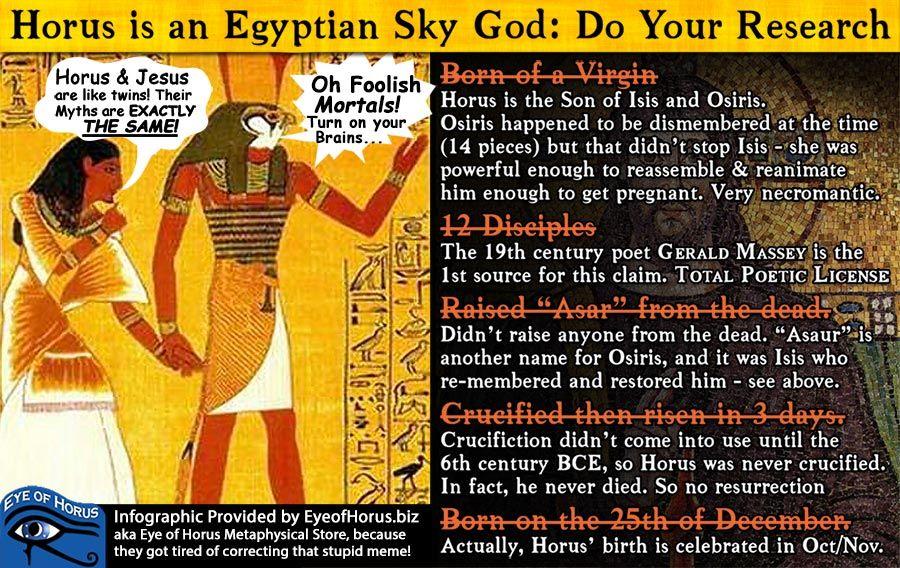
Horus, Jesus, and Egyptian Mythology: Separating Fact from Fiction
Posted by Luke J. Wilson on 22nd April 2023 in Mythology | Jesus,Horus,egyptian gods,mythology,Egyptian myths,apologetics
If you've ever found yourself immersed in the world of ancient Egyptian mythology or perhaps watching a documentary on the subject (or even just browsing social media around Christmas time), you might have come across the claim that the story of Jesus shares striking similarities with the story of Horus, an ancient Egyptian deity.
While it might seem convincing at first that there's a direct connection between the two, it's essential to understand that the similarities are often exaggerated in popular culture, and many scholars consider them vastly different. In this article, we'll explore the life of Horus, his birth, the miracles he performed, and the truth b...
Powered by WebBoss.io 3.7.1
Copyright © 2026 The Sacred Faith: Timeless Truths for Modern Minds. All Rights Reserved.
