
Blog Search Results


11 results for the force
found
within the Blog
5 displayed out of 11 (0.21seconds)Page 2 of 2
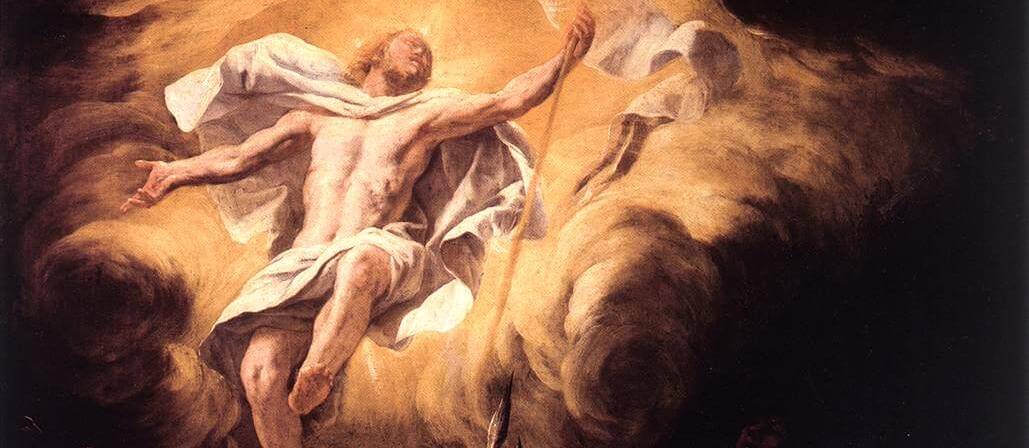
the Resurrection as a historical event
Posted by Luke J. Wilson on 29th April 2017 in Easter | resurrection,easter,apologetics,history,historical
Table of Contents
Jesus was raised bodily – and historically
the resurrection is what makes Christianity unique!
Evidence from Paul
the mystery of the resurrection
the nature of the resurrection
the resurrection is more than physical
What with Easter still ringing in our ears, I thought it would be a good time to revisit the topic of resurrection, but from a historical standpoint and why we can trust it as a real, world-changing event. So, what really is the resurrection? How will we be resurrected, and what does it mean for us that Jesus rose again? Let’s explore what this means for us as Christians, and see what the Scriptures say.
Jesus wa...
the Real St. Nicholas: A Man of Virtue, Not Violence
Posted by Luke J. Wilson on 7th December 2024 in Christmas | arianism,nicea council,nicene council,st nicholas,history,church fathers,church history
When we think of St. Nicholas, two contrasting images often emerge: the cheerful, gift-giving Santa Claus and the fiery bishop who supposedly punched Arius at the Council of Nicaea. the latter story, popularised through memes and tales of “righteous anger,” portrays Nicholas as a defender of truth through violence. But how much of this tale is rooted in fact?
St Nicholas of Myra slapping Arius at the Council of Nicaea.Fresco from the Soumela Monastery (Turkey)
the truth is both simpler and more profound: St. Nicholas embodied the teachings of Christ, not through impulsive acts of aggression, but through a life of love, generosity, and devotion.
Sepa...
Why God Is Necessary For Morality
Posted by Darwin to Jesus on 16th April 2025 in Atheism | Fyodor Dostoevsky,Dostoyevsky,Atheism,morality
Guest post by Darwin to Jesus
Dostoevsky famously said, “If there is no God, then everything is permitted.”
For years, as an atheist, I couldn’t understand what he meant, but now I do…
Here’s a simple analogy that shows why only theism can make sense of morality:
Imagine you just got hired at a company.
You show up, set up your desk, and decide to use two large monitors.
No big deal, right?
But then some random guy walks up to you and says: “Hey, you’re not allowed to do that.”
You ask, “What do you mean?”
they say, “You’re not permitted* to use monitors that big.”
In this situation, the correct response would be: “Says who...
David, Saul, And How We Respond To Broken Leadership
Posted by Luke J. Wilson on 5th May 2025 in Politics | politics,protest,nonviolence,old testament,SWYM
When we think about David and Saul, we often focus on David’s rise to kingship or his battle with Goliath. But hidden within that story is a deep lesson for today’s generation about leadership, resistance, and the power of revolutionary love.
At a recent youth training event (thanks to South West Youth Ministries), I was asked how I would present the story of David and Saul to a Christian teenage youth group. My mind turned to the politics of their relationship, and how David accepted Saul’s leadership, even when Saul had gone badly astray. David recognised that Saul was still God’s anointed king — placed there by God Himself — and that it w...
Before the Pumpkins: the Day Two Women Defied Rome
Posted by Luke J. Wilson on 29th October 2025 in Halloween | halloween,martyrdom,Perpetua,Felicity
In the last post, we looked at Polycarp — a faithful bishop who faced the flames rather than deny his Lord. His courage in the face of certain death became a rallying light for generations of believers after him. But his story is only one among many in the long line of the cloud of witnesses who ran the race before us (Hebrews 12:1). Today, we step forward a few decades to another account of extraordinary faith — that of two women, Perpetua and Felicity.
Perpetua left an account of her own martyrdom (technically a Passion) which is considered historically reliable. What makes it extraordinary is that Perpetua herself wrote a portion of it in Latin b...
Powered by WebBoss.io 3.7.1
Copyright © 2026 The Sacred Faith: Timeless Truths for Modern Minds. All Rights Reserved.
