
Blog Category: William Lane Craig (1 posts)
William Lane Craig Rejects The Nicene Creed. Is He Right To?
Luke J. Wilson | 25th August 2026 |
Current Events
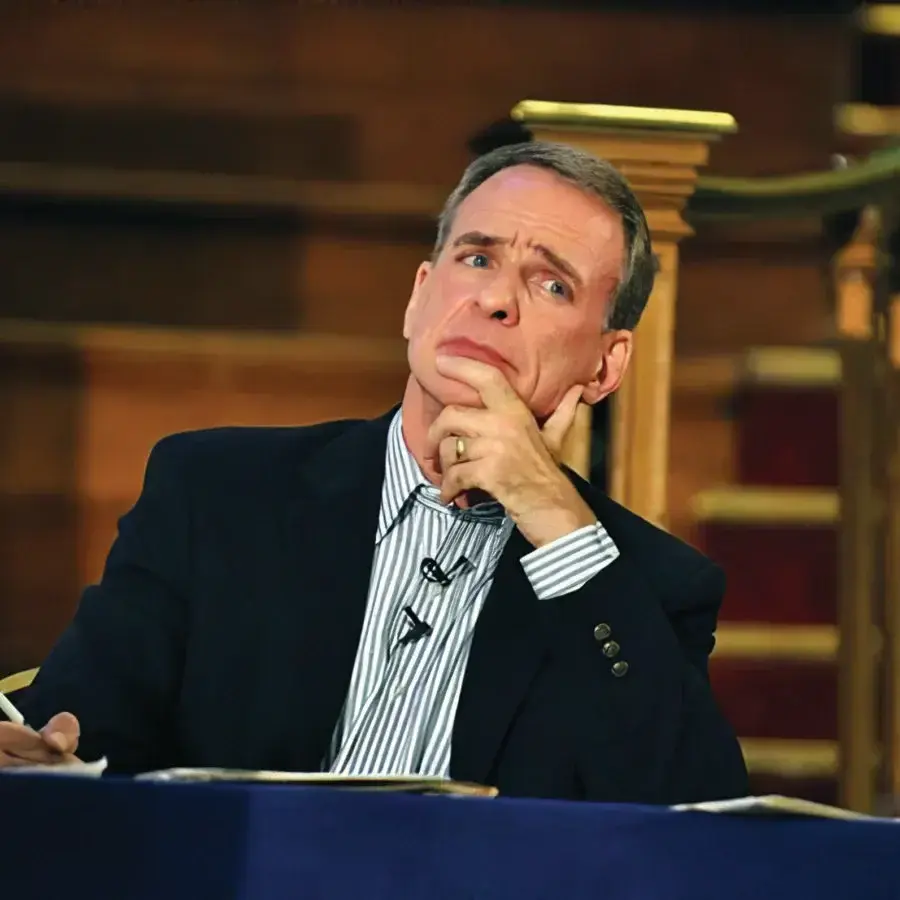
If you’ve been on Christian social media this week, you’ve probably seen it: William Lane Craig — one of the most respected Protestant apologists of our time— flatly denying a core line of the Nicene Creed. In his own words, he does not believe or confess that the Son is eternally begotten from the Father in his divine nature. Human nature, yes. But divine? Nope.
For a lot of readers, that’s a jarring sentence. Isn’t “eternally begotten of the Father” literally in the Creed we recite? How can someone who has spent decades defending the resurrection and the existence of God turn around and reject something so central?
I want to walk through what’s actually going on here, because it’s more interesting — and older — than a single viral clip suggests.
What Craig is actually rejecting
The doctrine in question is called eternal generation: the idea that the Son is eternally derived from the Father, “begotten, not made,” sharing the Father’s nature without there ever being a time he didn’t exist. It’s not saying the Son had a beginning; it’s saying the Son’s very being is eternally from the Father, the way light is eternally from the sun.
Craig has argued for years, most fully in his paper Is God the Son Begotten in His Divine Nature? (2019), that this idea owes more to Greek philosophical categories borrowed by the second-century Apologists than to anything the biblical writers themselves teach. He calls it a vestige of “Logos Christology” and prefers a model where Father, Son, and Spirit are simply co-equal and co-eternal, without one eternally generating another.
William Lane Craig disavows the Nicene Creed
Why I think this gets the history backwards
Here’s where I’d push back, and where I think this whole debate needs a bit more historical texture than a viral post can give it.
Long before Nicaea formalised its language, the earliest post-apostolic Christians were already working with something like...

Powered by WebBoss.io 3.7.1
Copyright © 2026 The Sacred Faith: Timeless Truths for Modern Minds. All Rights Reserved.
